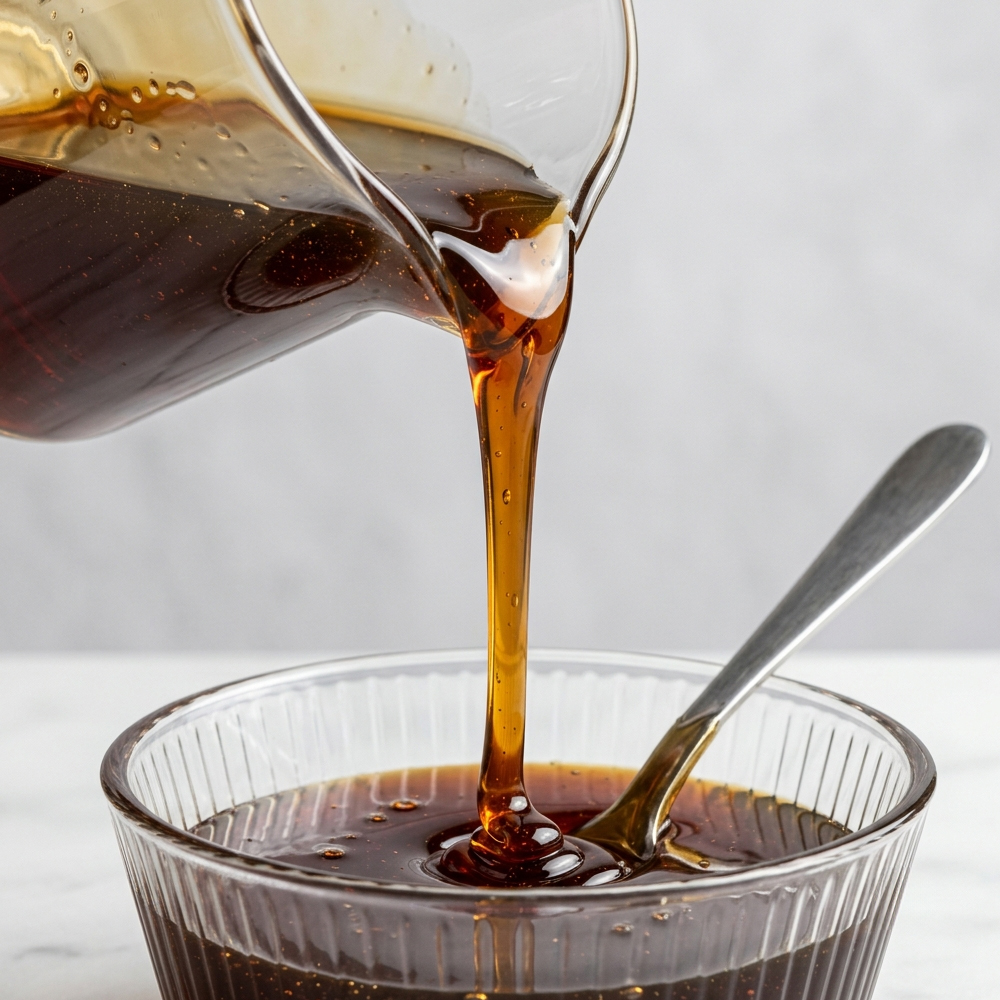
Beer syrup is a liquid carbohydrate ingredient produced from starch through enzymatic hydrolysis and refining. Maltose is its primary active component, giving this product a fermentable sugar profile that sets it apart from standard glucose syrups. The low protein and low polyphenol content make beer syrup a practically useful adjunct in beverage fermentation — particularly for brewing operations that need to manage wort extract, color, and finished product characteristics with greater precision.
If you are evaluating beer syrup as a brewing adjunct for the first time, the question worth asking early is: what specific outcome are you targeting — wort concentration adjustment, color reduction, production cost optimization, or a combination of these? The answer shapes which concentration grade and addition rate suit your recipe and process conditions.
Brewers working with a standard malt bill can incorporate beer syrup to increase initial wort extract without expanding malt volume. This is practical in high-capacity production runs where original gravity targets must be met reliably. Beer syrup is added at a controlled rate through the dosing system, with the addition point typically aligned with standard wort transfer stages. Results hold well within normal lager and ale fermentation parameters; if your process uses non-standard enzyme additions or specialty malt compositions, testing compatibility before full-scale commitment is standard practice.
The low polyphenol content and minimal color contribution of beer syrup make it a useful ingredient in pale lager and light beer recipes where color specifications are tightly controlled. As with any adjunct carbohydrate source, the final color outcome depends on the existing malt bill, brew house process conditions, and fermentation temperature. Beer syrup contributes predictably low color input relative to roasted or colored malt fractions, providing a consistent baseline for color-sensitive formulations.
In fermentation applications where malt cost is a significant input variable, beer syrup can replace a portion of the malt-derived carbohydrate fraction. Whether this substitution is appropriate depends on formulation approval status, applicable local brewing regulations, target flavor profile, and yeast performance at the intended addition rate. Beer syrup has demonstrated functional compatibility as a carbohydrate source in fresh beer and new beer fermentation contexts; each production environment should validate finished product specifications before full-volume implementation.
For new beer formats in development, beer syrup provides a controllable carbohydrate input that can be metered accurately, supporting batch-to-batch extract consistency during recipe refinement. The liquid format is particularly practical for pilot-scale systems designed for variable-rate ingredient addition, allowing R&D teams to adjust the fermentable sugar profile independently from changes in the malt bill.
Selecting beer syrup for industrial brewing or beverage production requires evaluating several process-specific factors beyond the product data sheet. The suitability of a particular beer syrup specification depends on your production context, not only on the product parameters in isolation.
Beer syrup sits within the broader liquid starch sweetener category, which includes glucose syrup, maltose syrup, and related fermentation carbohydrate ingredients used across beverage and food manufacturing. For procurement teams managing multiple liquid ingredient supply relationships, sourcing beer syrup from a supplier that also covers related starch sweeteners and beverage colorants — such as glucose syrup, maltose syrup, and caramel color — can reduce vendor management overhead and simplify logistics coordination for bulk liquid deliveries.
The supply relationship for fermentation carbohydrate ingredients carries a different risk profile compared to standard commodity procurement. Specification continuity across supply batches matters more than spot pricing because reformulation risk and fermentation revalidation requirements make mid-contract supplier switches operationally costly. Buyers evaluating a new beer syrup supplier are typically best served by requesting a specification portfolio covering multiple consecutive batches, confirming bulk liquid supply logistics capability, and running a controlled pilot evaluation where process conditions allow.
For buyers operating across multiple markets, confirming that beer syrup documentation meets import requirements in each destination is an early-stage procurement task. Starch-origin liquid carbohydrates may require origin declarations, GMO status documentation, or food additive approval confirmation depending on the destination market. Planning documentation requirements as part of the initial supplier qualification process supports smoother import clearance and regulatory compliance timelines.

 EN
EN