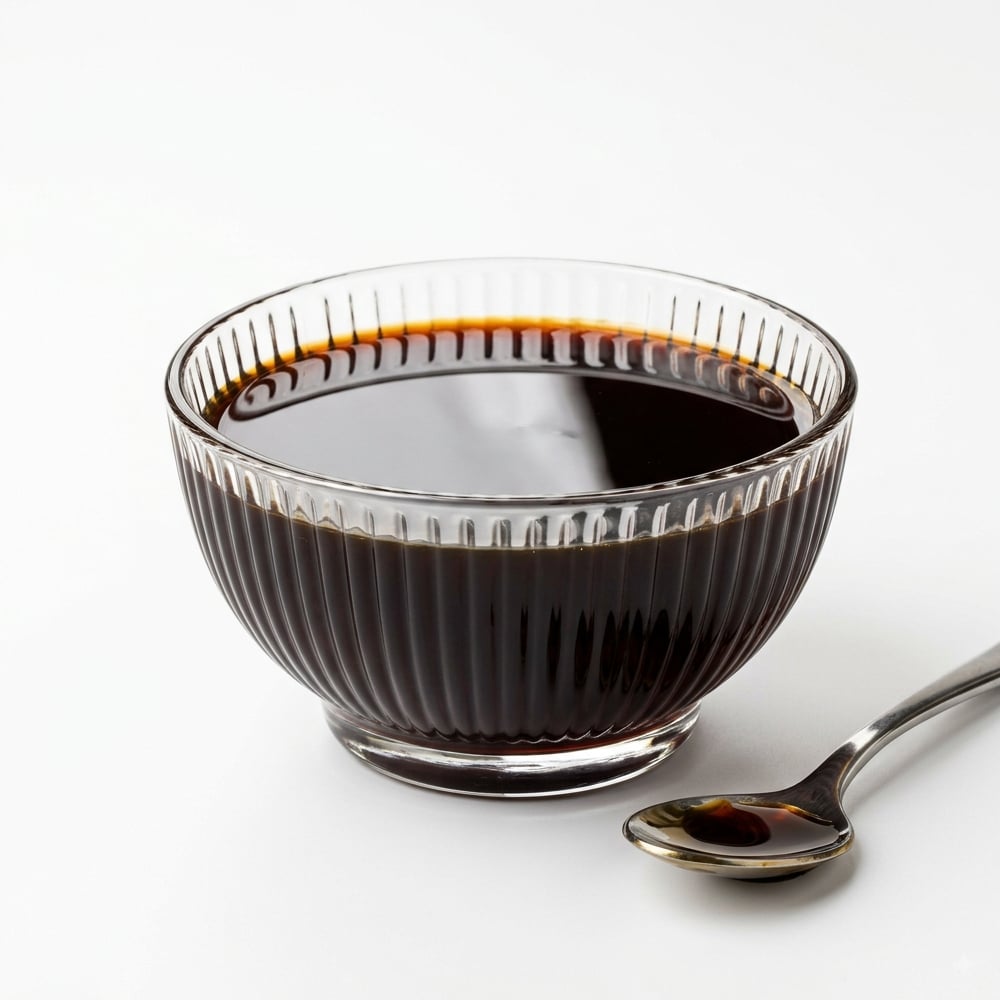
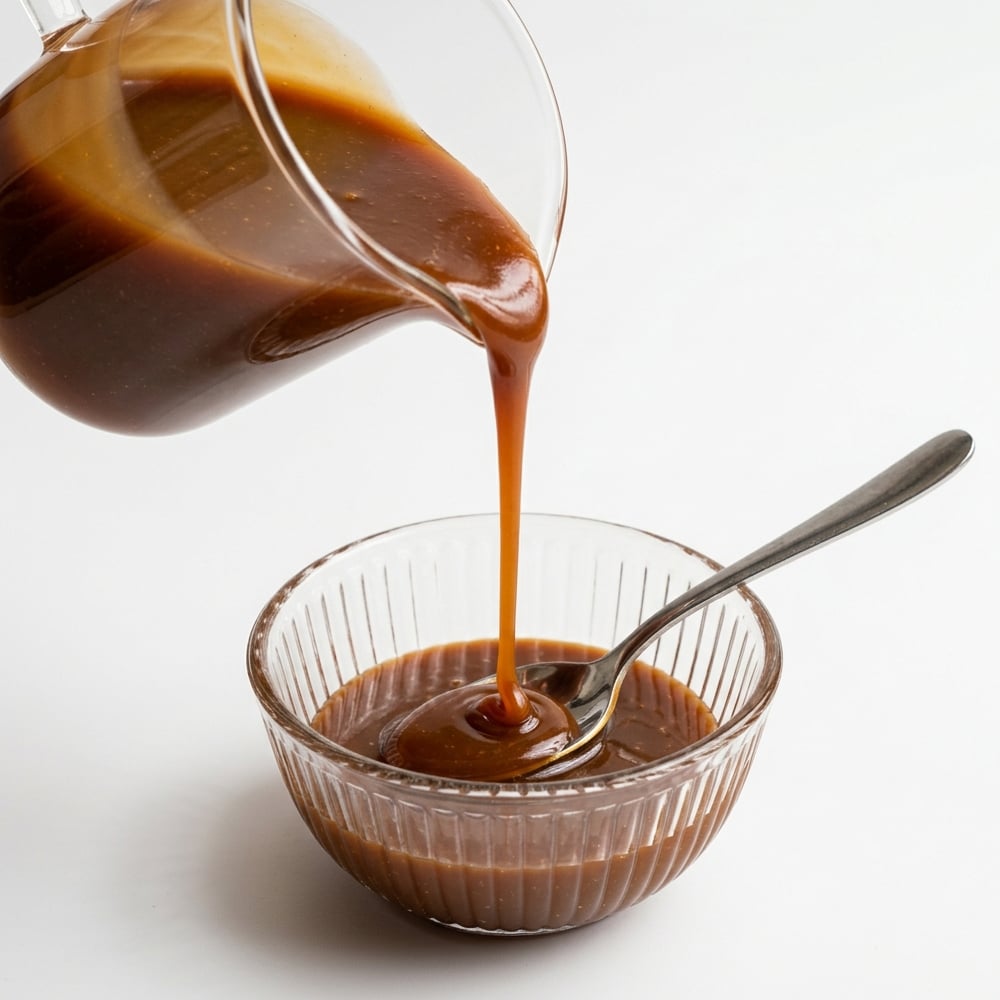
Caramel colors are food coloring agents produced by the controlled heat treatment of carbohydrates — primarily corn-derived sugars including dextrose, invert sugar, and sucrose. The result is a water-soluble colorant ranging from golden amber to deep dark brown. Food and beverage manufacturers rely on caramel colors globally to achieve consistent product appearance across beverage, sauce, bakery, and confectionery production lines. This class of food additive is among the most widely used in industrial food processing, and selecting the right E150 classification is a prerequisite for both formulation success and regulatory compliance.
Under international food additive standards, caramel colors are divided into four E150 classes based on the reactants used during production:
Most buyers focus on price when selecting caramel colors. What matters more in practice is whether the chosen E150 class matches your formulation's stability requirements and the regulatory allowances of your target market — these two dimensions determine whether the colorant will perform reliably on your production line.
When evaluating caramel colors for industrial sourcing, the following specifications are the most important to confirm before committing to a purchase order:
Matching the E150 class to the end application is the starting point for any caramel colors specification decision. Below is a practical overview of which grade serves each major use case:
As a practical framework for selecting caramel colors: focus on three factors in order — formulation pH, target market regulatory requirements, and label positioning. These three dimensions resolve most caramel colors specification decisions without requiring extensive application testing upfront.
For applications targeting spirits, clean-label products, or markets with strict 4-MEI limits: E150a is the right starting point. This grade delivers reliable brown coloring without regulatory exposure associated with ammonia and sulfite process by-products. For beverages with pH below 4, concentrated dark sauces, and high-temperature processing lines: E150d caramel colors deliver the acid resistance and color retention that E150a grades cannot match under the same process conditions.
One compliance consideration that procurement teams frequently underestimate: caramel colors that are straightforward to use in domestic markets may require additional documentation when exported to the EU, North America, or ASEAN countries — particularly regarding 4-MEI testing records, approved-use lists, and maximum use levels that vary by food category. Buyers with multi-market export programs should verify the regulatory status of their selected caramel colors in each target destination before committing to large-volume orders.
A practical note from supplier qualification experience: when switching caramel colors suppliers or changing E150 grades, always run production-scale trials before phasing out the previous supply. Small-batch laboratory results do not always predict color stability behavior in full production runs, particularly in high-acid beverage lines where process variation amplifies minor specification differences.
The most visible quality parameter in caramel colors procurement is batch-to-batch color consistency. Variation between supplier batches directly affects finished product appearance — a customer-facing attribute in beverages, sauces, and baked goods. When mixing batches from different production runs, EBC absorption differences can create visible hue shifts even at equivalent dosage rates.
Buyers qualifying a new international caramel colors supplier should request the following as a baseline qualification package:
For buyers who source caramel colors alongside starch sweeteners — glucose syrup, fructose syrup, or maltose syrup — consolidating both categories into a single supplier relationship simplifies logistics, reduces annual audit workload, and provides a single point of contact for documentation. A supplier offering both sweeteners and caramel colors can support beverage and condiment manufacturers with a more integrated sourcing approach.
Caramel colors produced from corn-derived glucose and starch sugars benefit from vertical integration at the raw material level. Manufacturers who control their own starch hydrolysis and sugar production maintain tighter control over carbohydrate feedstock quality, which directly supports batch reproducibility and reduces the risk of input variation cascading into specification drift.
For export-oriented buyers, sourcing from a manufacturer holding Halal and Kosher certifications alongside FSSC 22000, ISO 9001, and ISO 14001 certifications reduces the documentation burden across multiple trade lanes. Southeast Asian buyers, Middle Eastern distributors, and North American food manufacturers each have distinct certification requirements — a supplier who can cover the major certification scope within a single product line reduces the number of pre-qualified vendors your procurement team needs to manage and audit annually.
Request product specifications, COA samples, and certification documentation through the product inquiry form to begin supplier qualification. Specification sheets for both liquid and powder forms are available upon request.

 EN
EN