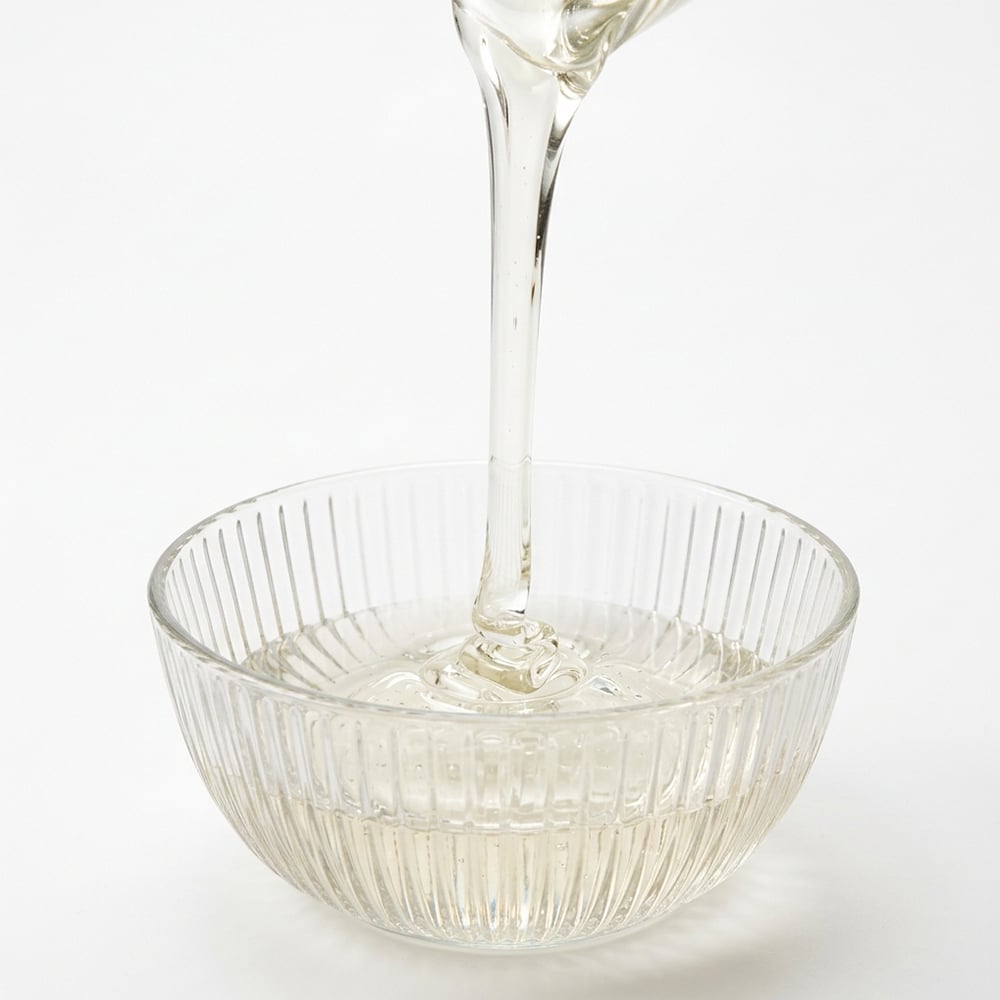
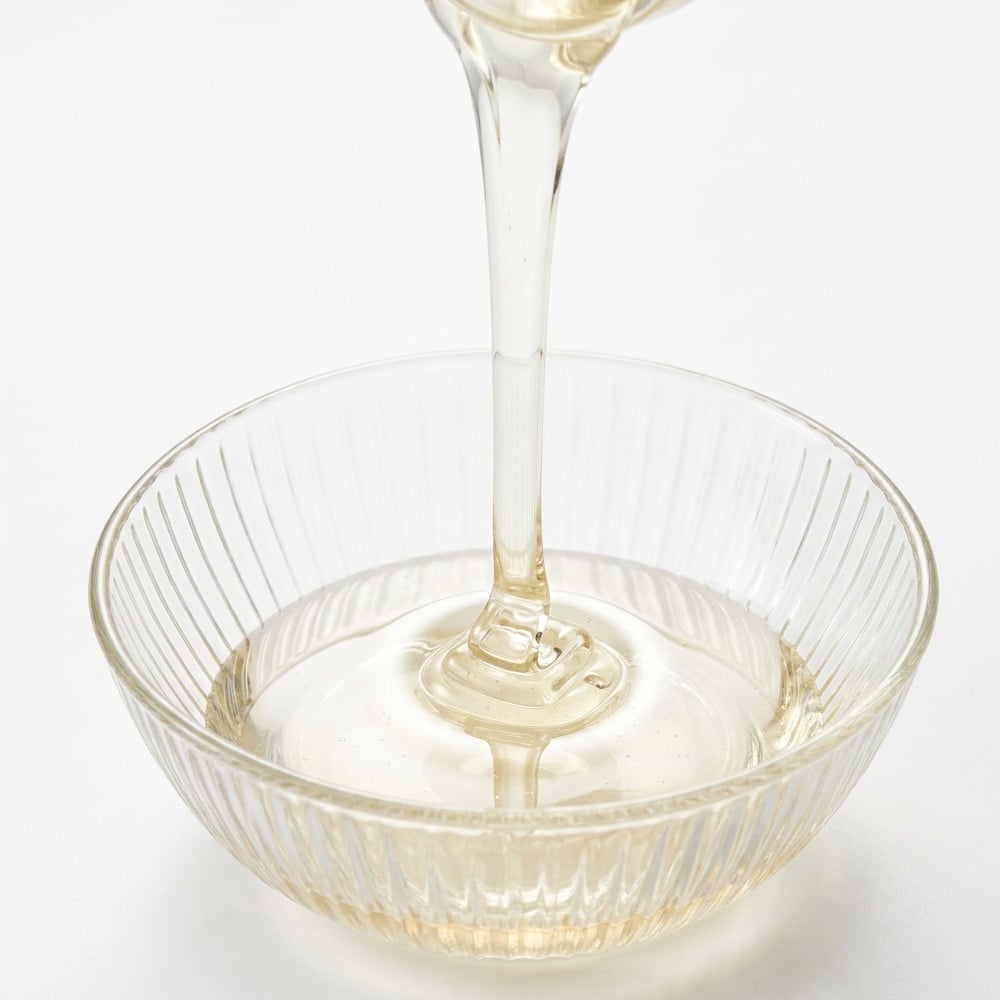
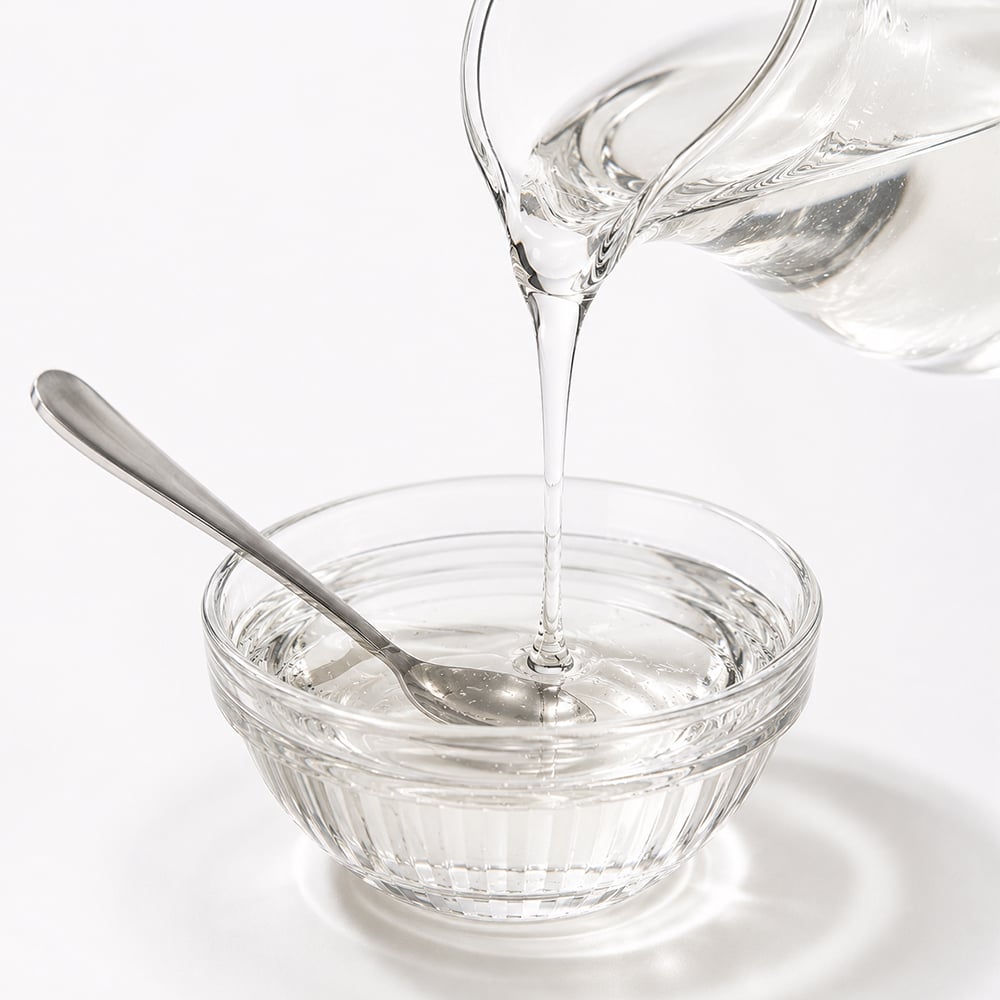
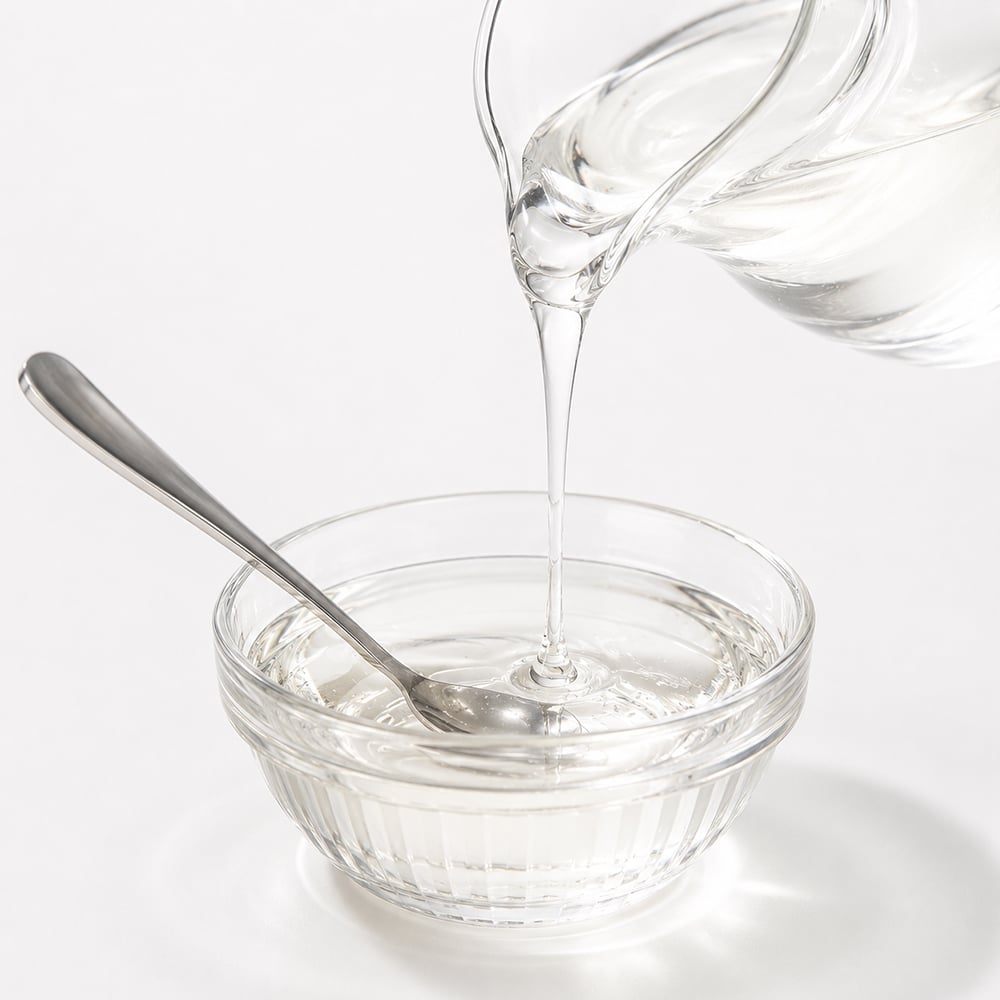
Corn syrup is a liquid sweetener produced from corn starch through enzymatic hydrolysis — a controlled process that converts starch into glucose, maltose, and fructose fractions depending on enzyme type and reaction conditions. Modern starch processing technology enables precise control over the final composition, producing grades with distinct DE values, maltose concentrations, and fructose levels suited to specific downstream applications. This enzymatic approach allows a single raw material — corn starch — to yield a range of functionally distinct liquid sweeteners that conventional cane or beet sugar cannot replicate.
Unlike dry sweeteners, liquid corn syrup integrates directly into industrial liquid processing systems, supporting consistent pumping, metering, blending, and dosing across production lines. Our corn syrup category covers eight products: Glucose Syrup DE60-70, Maltose Syrup 80%, High Fructose Corn Syrup F42, F55, F60, and F90, Beer Syrup, and the Syrup Series Products. Each is characterized by a defined composition profile designed to match the functional requirements of specific applications in food, beverage, confectionery, bakery, and fermentation manufacturing.
Corn syrup applications in the beverages sector are driven by texture, mouthfeel, and fermentability requirements — not just sweetness level alone. In non-fermented soft drinks and ready-to-drink products, HFCS grades provide liquid sweetening and calorie adjustment with processing efficiency advantages over dry sweeteners. In fermented beverages such as beer and cider, glucose and maltose syrup grades serve as fermentation substrates influencing finished alcohol content, residual extract, and flavor profile. If your process operates at lower temperatures, corn syrup handling viscosity increases and needs to be factored into dosing equipment calibration.
In confectionery manufacturing, corn syrup controls moisture activity, prevents sucrose crystallization, and contributes to chew texture and shelf-life extension in hard candies, gummies, and coatings. Bakery manufacturers use corn syrup for moisture retention, crust browning, and fermentation balance in yeast-leavened products. In dairy and frozen dessert formulations, it is applied to adjust freezing point depression, body, and sweetness profile in ice cream and soft-serve bases.
Sauce and condiment manufacturers benefit from the consistent sweetness, viscosity contribution, and thermal processing stability of liquid syrups. For any application involving heat treatment, verifying the corn syrup grade's stability at your specific process temperature range before full production scale-up is recommended — a pilot test is a more reliable confirmation than the product data sheet alone.
For most corn syrup procurement decisions, the functional role the ingredient needs to perform matters more than the product name. A practical starting point: identify what the syrup must achieve in your finished product — sweetness delivery, fermentation substrate, crystallization inhibition, moisture retention, or mouthfeel contribution — then map that requirement to the relevant grade specification.
For beverage applications requiring clean, high-fructose sweetness with low color contribution, HFCS F55 covers the majority of standard formulation needs. However, the specification may shift depending on your target Brix, process temperature ceiling, and regulatory requirements in the destination market. For fermented products, Maltose Syrup 80% or Beer Syrup is typically the better starting point. For confectionery where crystallization control and moisture retention are primary, Glucose Syrup DE60-70 usually fits better than higher-fructose corn syrup grades.
One practical sourcing consideration: mixing batches from different suppliers — even at nominally identical DE or fructose specifications — can introduce composition variation that affects viscosity and finished product sensory consistency. Buyers who have managed multi-supplier corn syrup sourcing have reported unexpected mouthfeel and viscosity shifts in end products. Establishing a single-supplier baseline before scaling production reduces this risk and simplifies incoming quality verification.
Storage and handling deserve attention in corn syrup procurement planning. Viscosity increases significantly at lower temperatures, affecting pump performance on production lines. Storage facilities should maintain appropriate temperature conditions to ensure stable product quality from receipt through use. Contamination prevention protocols during transfer and handling are equally important for maintaining microbiological standards in liquid ingredients.
For international sourcing: corn-derived liquid sweeteners meet domestic food safety requirements, but when importing into markets with mandatory GMO-origin labeling — including the EU, and certain jurisdictions in North America and Southeast Asia — compliance documentation needs to be confirmed before finalizing procurement. This verification step is often underestimated in timeline planning for a new market launch.
Corn syrup products occupy a critical operational role in industrial food manufacturing because they combine functional versatility with the processing efficiency of liquid ingredients. A supplier offering glucose, maltose, and HFCS grades alongside complementary products such as caramel color enables beverage manufacturers and condiment producers to consolidate multiple ingredient sourcing relationships — reducing qualification overhead, simplifying logistics coordination, and standardizing documentation formats across a broader ingredient basket.
For buyers managing high-volume or year-round production schedules, corn syrup supply consistency is a practical concern that goes beyond unit pricing. A supplier with large-scale production capacity across starch sweetener product lines provides more predictable lead times and batch scheduling than smaller-capacity sources. This matters especially for buyers in markets with seasonal demand peaks in confectionery, beverage, or fermentation production, where a supply gap creates production disruption that is difficult to recover quickly.
From a product development perspective, access to the full grade range from a single corn syrup source simplifies the R&D evaluation process. Buyers working through initial specification testing benefit from matched documentation — COA formats, application specifications, and regulatory support materials — across all candidate grades, rather than reconciling documents from separate suppliers. This reduces administrative burden on procurement and quality teams during the supplier qualification stage.
If you are evaluating corn syrup grades for a specific formulation application, or need documentation to support a supplier qualification review, contact us to request product specifications, application guidance, or a sample arrangement for your target grade.

 EN
EN