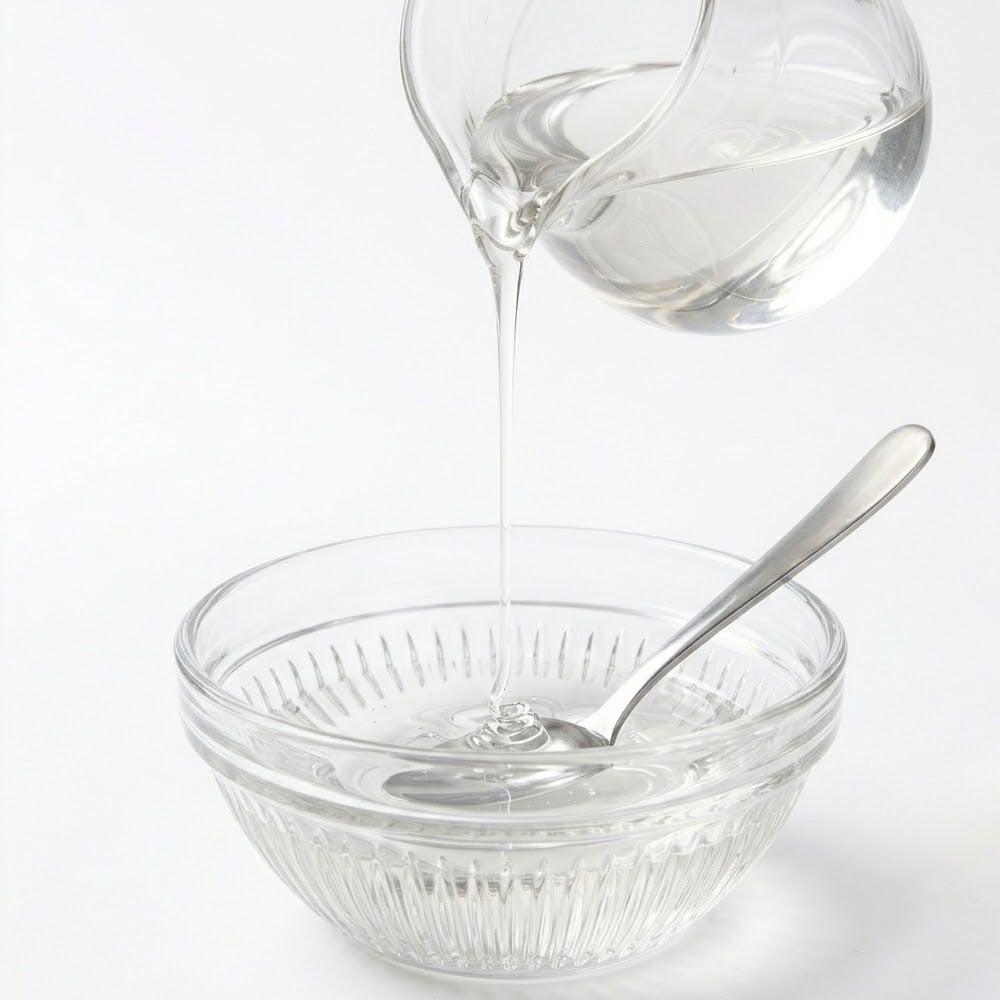
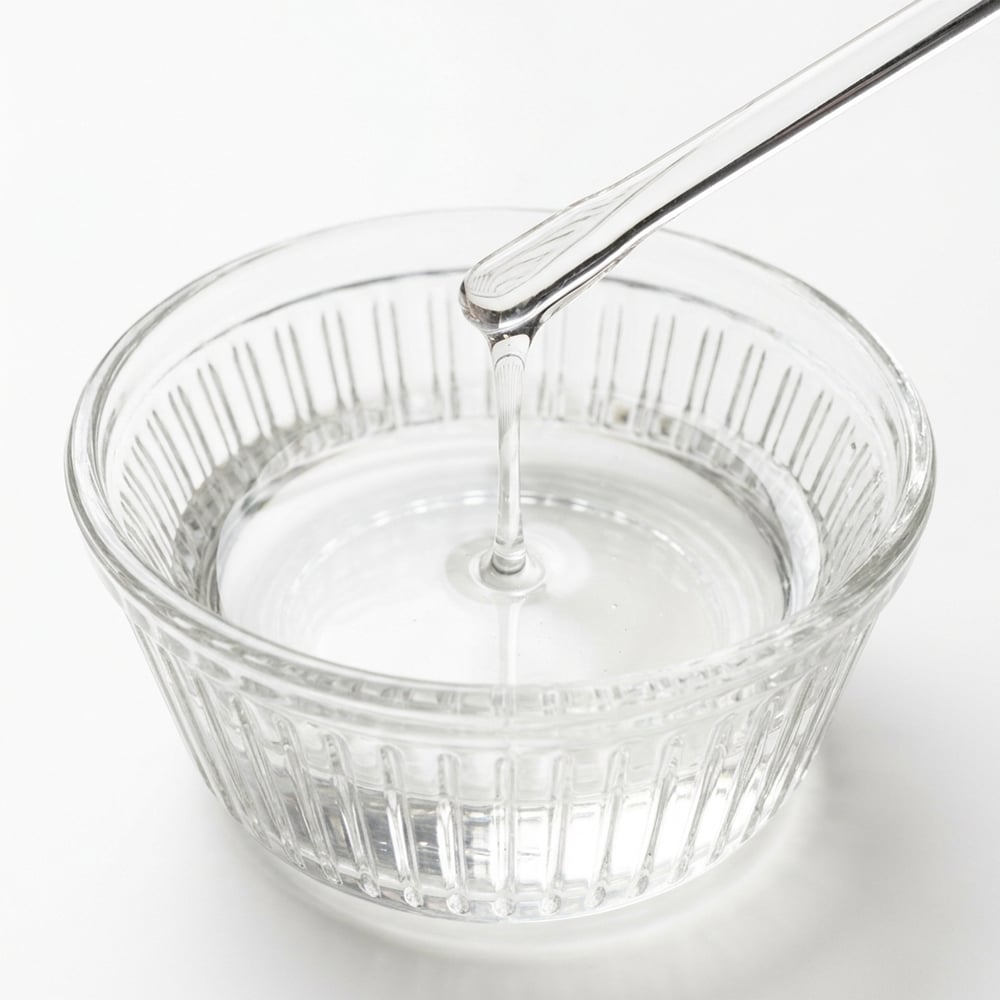
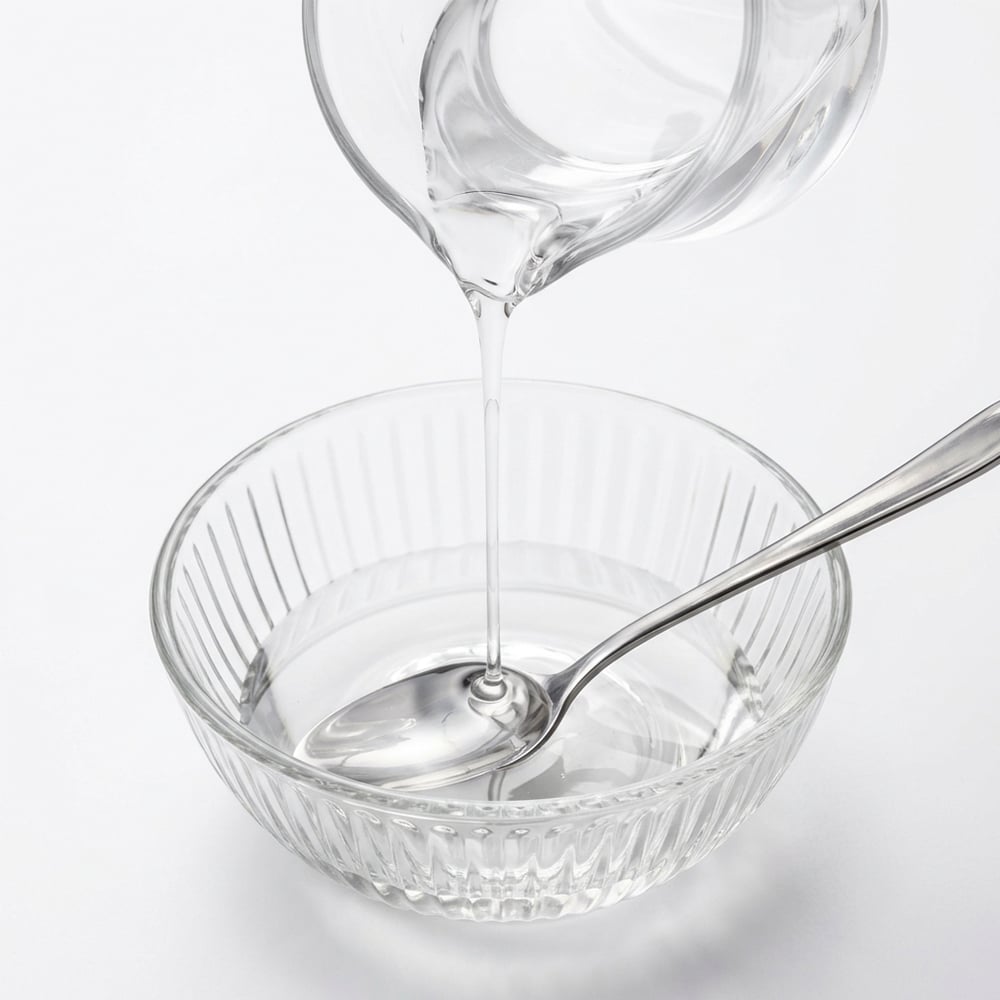
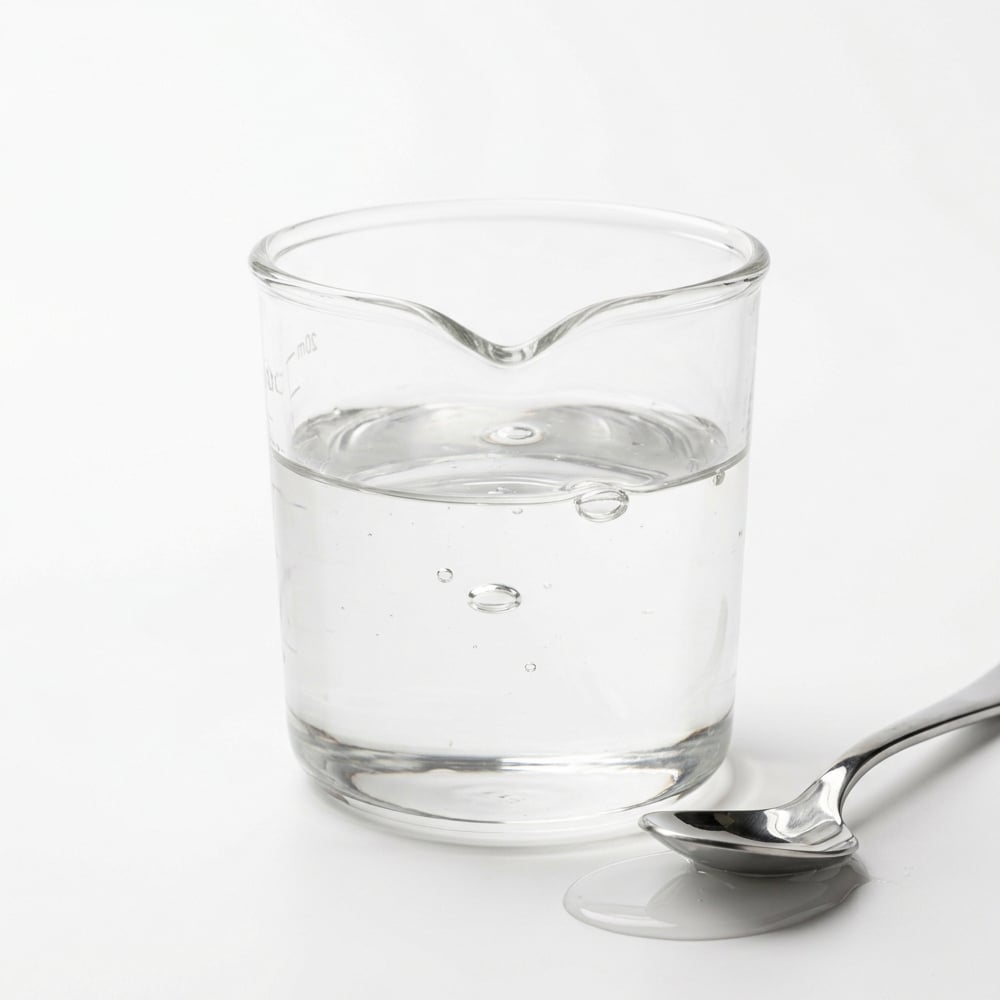
Polyols solution refers to liquid-form sugar alcohols — primarily sorbitol solution and maltitol solution (maltitol syrup) — produced from starch via catalytic hydrogenation. The result is a stable, functional liquid designed to support efficient pumping, dosing, and blending in continuous food, pharmaceutical, and oral care manufacturing lines.
As the sugar-free and reduced-sugar food trend accelerates globally, polyols solution grades have become a versatile platform ingredient across confectionery, bakery, beverages, and oral care. Unlike crystalline polyols, liquid forms eliminate the dissolution step in processing, reduce handling time, and deliver consistent viscosity and moisture management across batches.
This category includes four grades of polyols solution, each designed for specific purity and performance requirements:
All grades are manufactured under internationally recognized food safety management systems, with global shipping from Guangdong, China.
Selecting the right polyols solution grade depends on the application's primary functional requirement rather than sweetness value alone. Most formulation teams assume that a near-equal sweetness multiplier means a straightforward substitution for sucrose — but in sugar alcohol applications, changes in mouthfeel, bulk, water activity, and crystallization behavior require grade-specific validation before scaling to production.
Sorbitol solution is one of the most established humectants in toothpaste production. A non-crystallizing grade with a stable viscosity profile provides consistent batch-to-batch performance. For any polyols solution used in oral care, non-crystallizing validation data (e.g., -18°C/48h protocol) is a recommended qualification requirement before onboarding, particularly if your supply chain involves cold chain phases or wide ambient temperature ranges.
The confectionery segment is the largest end-use market for polyols solution globally, with chocolate, gum, hard candy, and soft candy applications driving demand. Liquid sorbitol and maltitol solution grades are preferred where direct liquid incorporation is needed — including jelly candy bases, caramel coatings, and confectionery centers — contributing moisture retention, crystallization prevention, and body without raising glycemic index.
For pharmaceutical excipient applications and vitamin C fermentation, a polyols solution with controlled purity and minimal reducing sugars is required. The Ultra-High Purity Grade 0270C meets these requirements: ultra-low reducing sugar (≤0.1%) and total sugar (≤0.20%) minimize interference in fermentation substrates and synthesis pathways. Nickel catalyst monitoring documentation supports pharmaceutical vendor qualification processes.
In baked goods and moisture-sensitive processed foods, liquid sorbitol and maltitol syrup act as humectants, managing water activity and extending shelf life. For filling applications, maltitol solution may support moisture management and crystallization control — specific performance should be validated against your target water activity range and heat treatment conditions before full-scale adoption.
When evaluating a polyols solution for a new formulation or supplier switch, a structured selection approach avoids costly trial-and-error delays:
One practical note for procurement teams: mixing batches from different suppliers — even within the same nominal specification — can introduce viscosity and consistency variation that shows up in finished product sensory evaluation. Establishing a qualified single-source supply for each grade reduces this risk and simplifies incoming inspection protocols.
When sourcing polyols solution at scale, supply stability and quality system reliability are as important as the specification sheet. Key considerations in supplier qualification include:
For pharmaceutical or specialty food buyers where supplier audits are part of the procurement cycle, access to quality management documentation and efficient audit scheduling is a measurable operational advantage when procuring polyols solution in volume.

 EN
EN