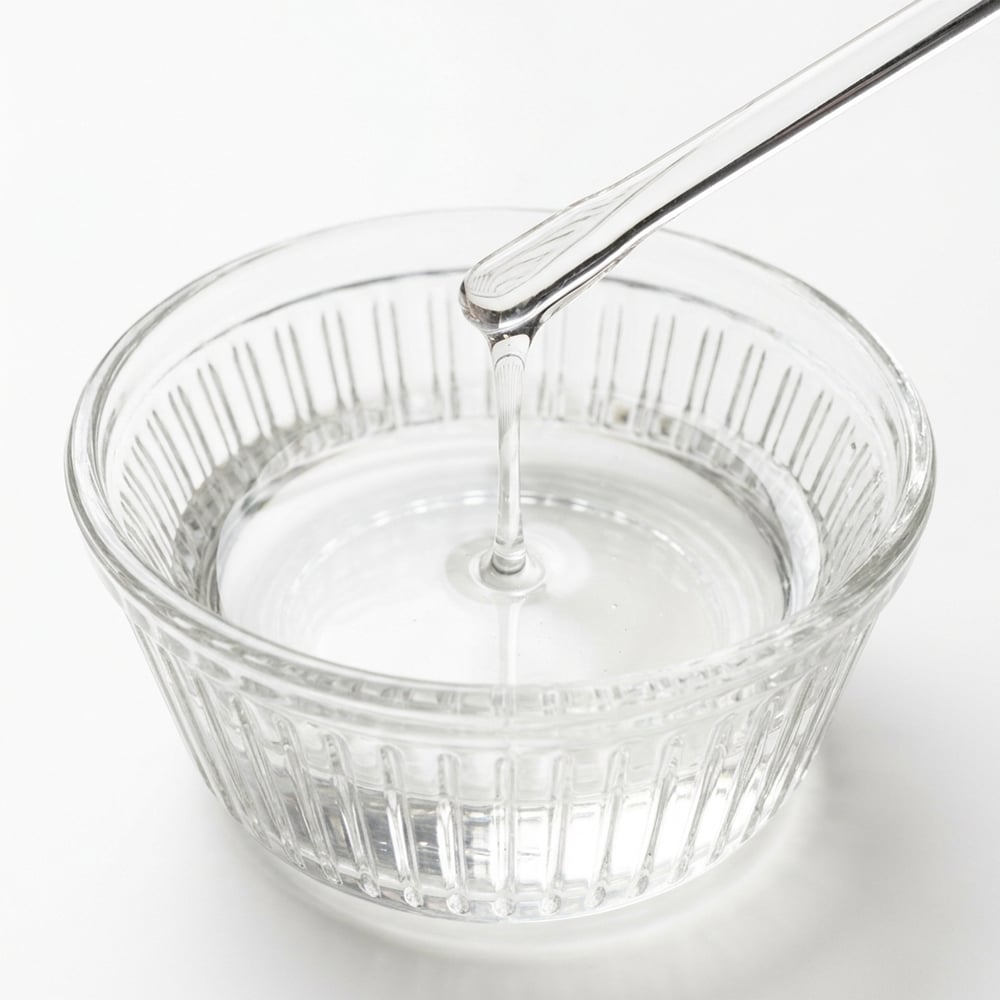
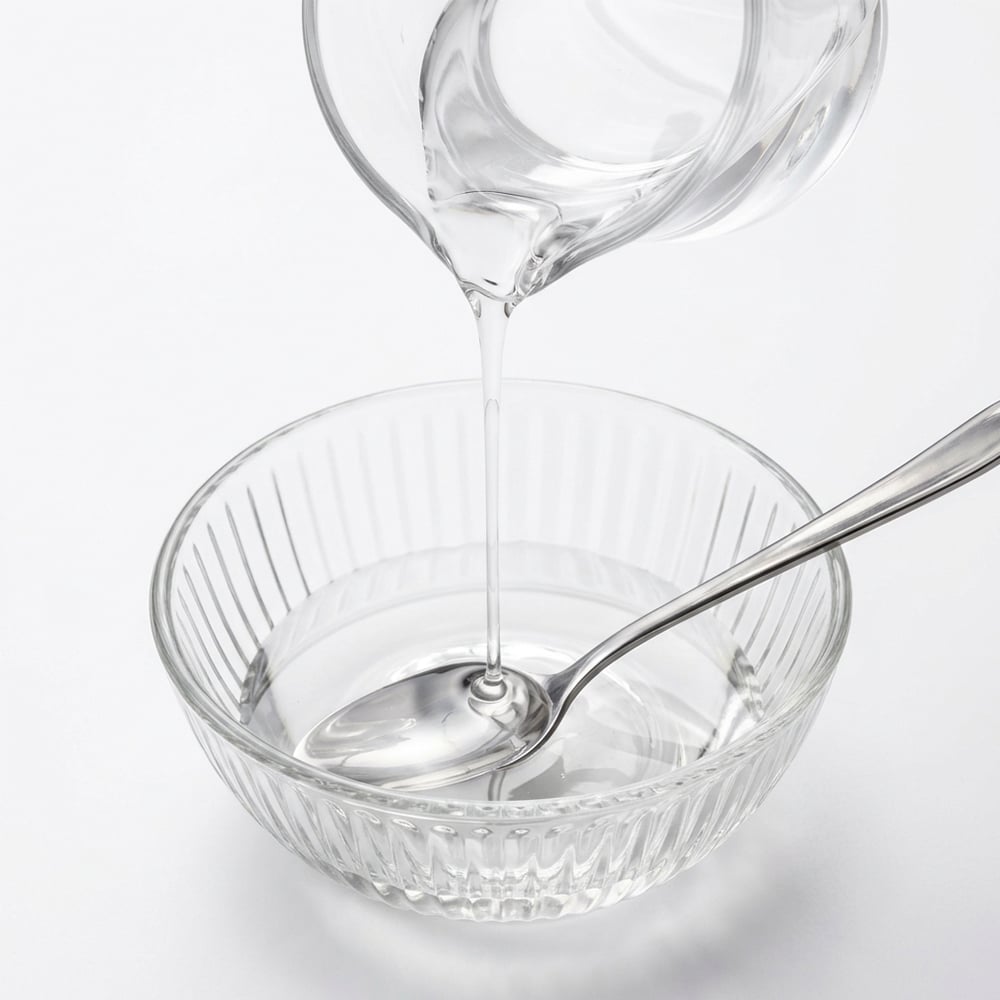
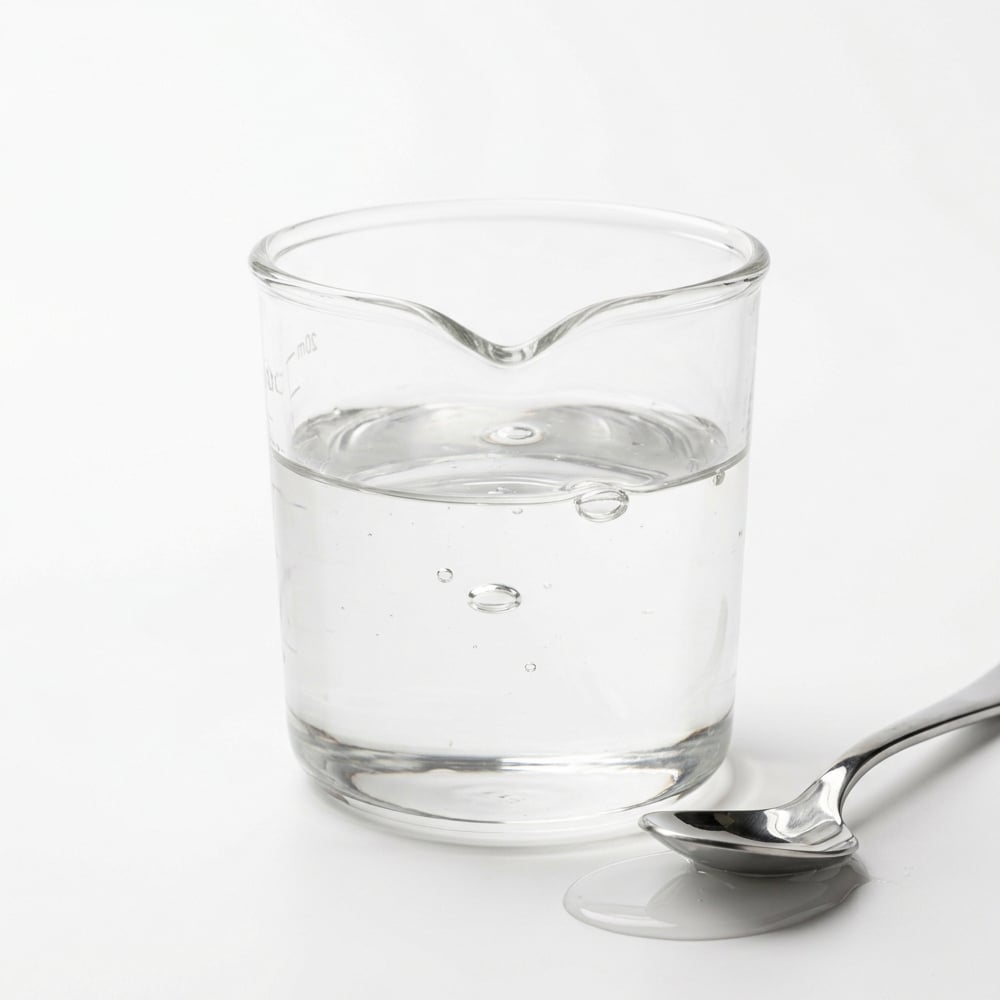
Sorbitol Solution is a water-soluble polyhydric alcohol (polyol) produced by the catalytic hydrogenation of glucose. Available at 70% concentration, it delivers approximately 60% of the sweetness of sucrose at roughly 2.6 kcal/g — a caloric profile that supports sugar reduction without sacrificing texture or mouthfeel. Recognized as food additive E420(ii) under EFSA approval and aligned with JECFA specifications, Sorbitol Solution is approved for use across food, pharmaceutical, and personal care applications in major global markets.
This category offers three distinct grades: High-Purity Non-Crystallizing Grade 370A, Ultra-High Purity Vitamin C Grade 0270C, and Non-Crystallizing Grade 870B. Each grade is engineered for a defined set of applications. Selecting the right Sorbitol Solution grade depends less on sweetness level than on purity thresholds, stability requirements, and downstream process compatibility — a distinction that matters most when your finished product has a defined specification or regulatory requirement attached to it.
All three grades share core functional properties: humectancy, texturizing capability, bulking performance, and non-cariogenic sweetness. They are suitable for continuous liquid-phase processing lines and standard food-grade liquid transfer systems. Each grade of Sorbitol Solution is manufactured under FSSC 22000, ISO 9001, and ISO 14001 certification, with Kosher and Halal certificates available — a baseline qualification for buyers supplying food manufacturers in Southeast Asia, the Middle East, or other certification-gated markets.
When evaluating Sorbitol Solution for a specific production line, the starting question is not what concentration you need — it is what your formulation actually tolerates in terms of purity variance, crystallization risk, and documentation requirements. The following scenarios map each grade to its primary fit.
The pharmaceutical excipient segment requires higher purity standards and stricter documentation than food-grade procurement. Buyers sourcing Sorbitol Solution for liquid syrups, oral suspensions, soft gel capsules, or pharmaceutical synthesis intermediates typically need a dedicated supply stream with verified purity data, reducing sugar controls, and full audit support. Grade 0270C addresses this directly — the ≥97% D-sorbitol specification, ultra-low reducing sugar content, nickel catalyst monitoring, and 36-month documented shelf life meet the documentation requirements that pharmaceutical procurement teams expect. If your operation spans both food-grade and pharmaceutical-grade sorbitol procurement, sourcing both from a single qualified supplier simplifies vendor management and reduces qualification overhead significantly.
Sorbitol Solution is a key fermentation substrate in industrial vitamin C (L-ascorbic acid) production. Fermentation yield is sensitive to impurity levels: elevated reducing sugars or inconsistent purity can suppress microbial activity and reduce process efficiency. Grade 0270C was developed for this segment, with reducing sugar ≤0.1% and verified purity levels that support the clean substrate fermentation processes require. For operations running vitamin C fermentation at industrial scale, the purity specification deserves more attention than the sweetness number — approximately 1% variation in D-sorbitol content can translate into measurable downstream impact, though exact tolerance thresholds vary by process design.
Sorbitol Solution has been a standard toothpaste humectant for decades, supported by long-standing regulatory acceptance of polyols in toothpaste and mouthwash across most major markets. Its combination of humectancy, plasticizing effect, and mild sweetness makes it a functional default in oral care formulations. Grade 370A and Grade 870B are both suitable for toothpaste and mouthwash manufacturing; the choice depends on crystallization tolerance and concentration sensitivity in your specific production line. For cosmetic creams, lotions, and personal care products, Sorbitol Solution contributes moisture retention and smooth application texture.
Before finalizing the substitution ratio in any oral care reformulation, consider what your formulation actually requires: in these applications, mouthfeel and rheology are often more decisive than sweetness level alone. Adjusting solely by sweetness multiplier — assuming Sorbitol Solution can replace sucrose at equivalent sweetness weight — tends to underestimate the texture and water activity effects that require separate formulation adjustments.
In food manufacturing, Sorbitol Solution functions as a bulking agent, humectant, stabilizer, texturizing agent, and low-calorie sweetener. It is widely used in sugar-free confectionery (hard candy, soft chews, gummies), baked goods requiring moisture retention, ice cream and frozen desserts, fruit jams, and diabetic-friendly food formulations. As sugar reduction initiatives expand globally, Sorbitol Solution remains one of the most established polyol options for reformulation projects with broad market acceptance.
Batch-to-batch consistency is a procurement concern that deserves attention when evaluating supplier options. Mixing incoming Sorbitol Solution from different suppliers — even within the same concentration specification — can introduce variation in reducing sugar content or viscosity that shows up as quality instability in finished products. For high-volume, quality-sensitive production lines, maintaining a single-supplier sourcing strategy reduces this risk and simplifies incoming quality inspection.
Grade selection here is a purity-versus-application-fit decision. As a general framework:
If your production covers both food-grade and pharmaceutical-grade requirements, consolidating Sorbitol Solution procurement from a supplier with qualified multi-grade capability reduces the compliance burden of maintaining separate vendor qualification files for the same molecule.
Several factors shape the sourcing decision for Sorbitol Solution beyond unit price:
Certification coverage: All grades are produced under FSSC 22000, ISO 9001, and ISO 14001. Kosher and Halal certification documentation is available — a practical requirement for buyers serving food manufacturers in Southeast Asia, the Middle East, or globally diversified supply chains.
Regulatory standing: Sorbitol Solution 70% carries EFSA approval as food additive E420(ii) in European markets, and aligns with JECFA specifications for international regulatory reference. Buyers preparing for multi-market export should verify applicable permitted use levels and labeling requirements for each target market, as these vary by jurisdiction and application.
Trade terms: Sorbitol Solution currently carries a 0% import tariff in the United States — a relevant cost factor for North American buyers comparing total landed cost across supply origins.
Quality system and audit support: Manufacturing operations under FSSC 22000 and ISO 9001 support regular buyer qualification audits, with documentation review and on-site audit scheduling available. For procurement teams managing annual supplier requalification cycles, audit responsiveness is a practical factor that affects total sourcing cost and scheduling efficiency.
Multi-grade supply from one source: Access to three Sorbitol Solution grades from a single qualified supplier simplifies procurement administration and reduces the number of supplier qualification files your quality team needs to maintain — particularly relevant for operations managing both food and pharmaceutical ingredient sourcing from the same facility.

 EN
EN