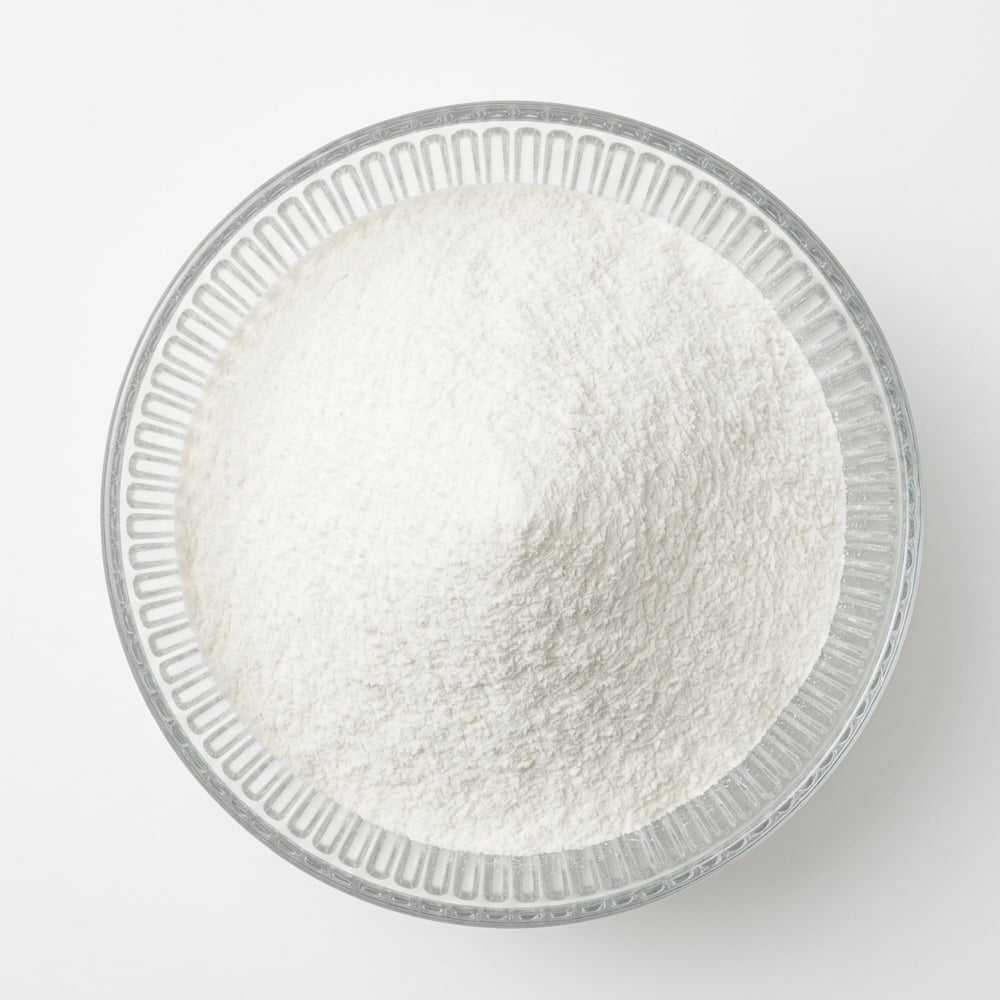
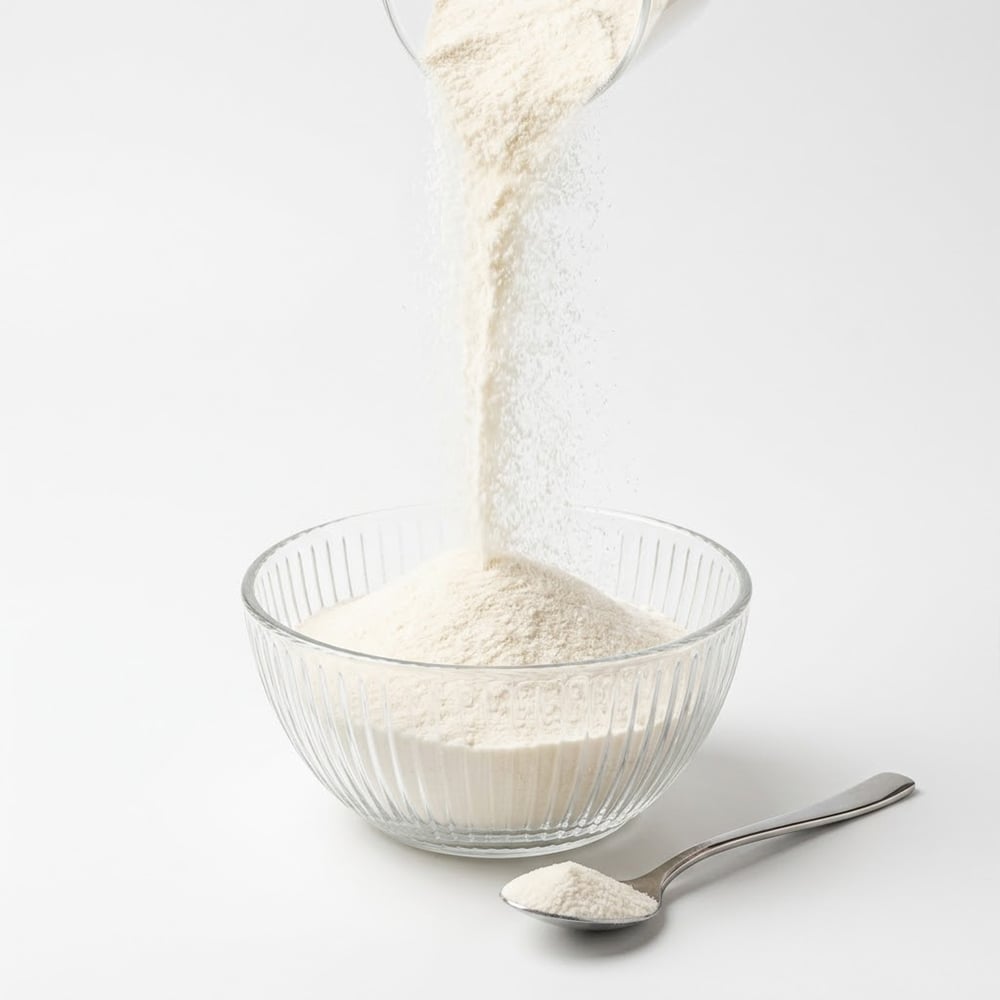
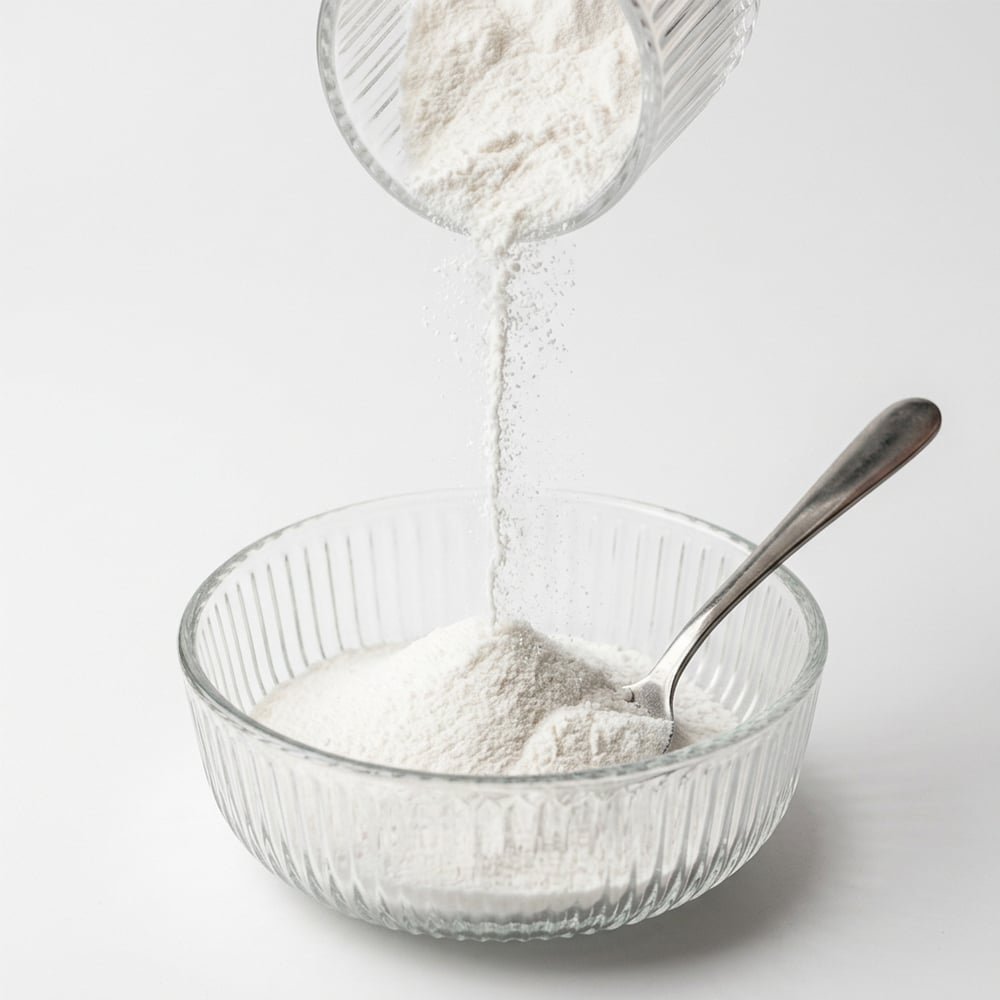
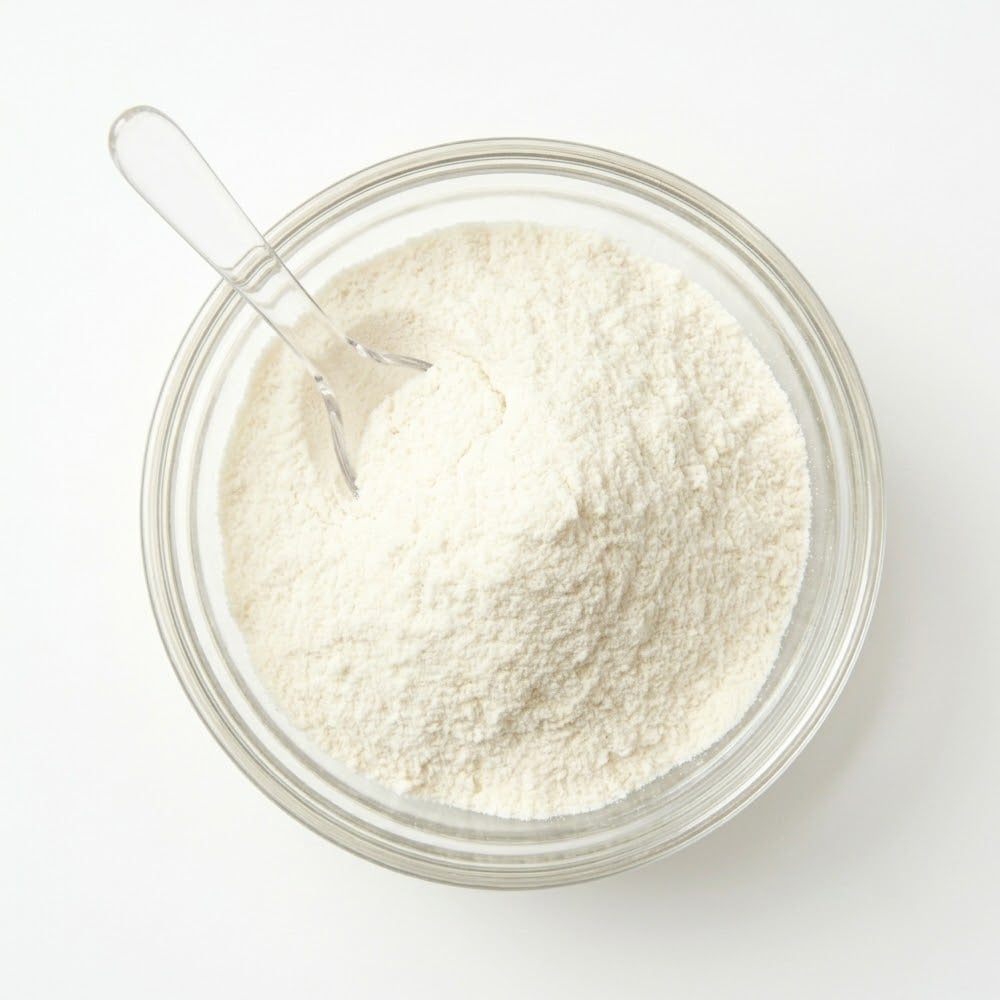
Functional ingredients are carbohydrate-derived and plant-based powder materials that form the processing backbone of many food and beverage products. Maltodextrin, glucose syrup powder, and non-dairy creamer are among the most widely sourced functional ingredients in food manufacturing because they serve multiple technical roles simultaneously: stabilizing texture, controlling moisture, supporting spray-drying and encapsulation processes, improving mouthfeel, and enabling consistent powder production across industrial-scale runs.
Unlike primary flavors or active nutrients, functional ingredients operate in the background of a formulation, yet they determine whether a finished product holds together on the production line and meets consumer expectations batch after batch. As urban consumption patterns shift toward ready-to-mix beverages, fortified powders, and meal replacement formats, the structural demand for functional ingredients that perform reliably in powder-based production systems continues to grow globally.
This category covers four products from Huanfa Biotechnology's corn deep-processing portfolio: Glucose Syrup Powder (general purpose and spray-dried grades), Maltodextrin DE20, and Non-dairy Creamer Series. All functional ingredients in this range are manufactured under FSSC 22000 and ISO 9001 certification, with Kosher and Halal approvals supporting procurement for certification-sensitive markets. Global shipping is available from Guangdong, China.
Each of the functional ingredients in this category serves distinct formulation roles. Understanding what each product contributes to your process helps clarify which functional ingredients best suit your application.
Specification compliance is a starting point, not a finishing point, when evaluating functional ingredients. Meeting a DE value on a certificate of analysis does not automatically confirm that a product will perform as needed under your specific production conditions. Application verification — particularly for spray-drying or encapsulation processes — remains necessary before committing to a specification for functional ingredients at production scale.
Functional ingredients in this category appear across a wide range of industrial food and beverage production scenarios:
Before selecting a grade from this range of functional ingredients, a useful starting question for your formulation or procurement team is: what does your production process actually constrain first — cold-water solubility timing, viscosity at processing temperature, or dry-blend compatibility with other powder inputs?
For spray-drying operations, batch-to-batch DE value consistency matters more than the nominal average specification when sourcing functional ingredients for carrier applications. Mixing batches from multiple suppliers at nominally equivalent DE values — even as a cost-reduction strategy — can introduce viscosity variation in the spray-drying feed, causing unpredictable powder yield and particle structure across production runs. If batch consistency is a critical quality control requirement, verifying run-to-run DE stability before finalizing procurement is advisable.
For beverage systems requiring instant cold-water dissolution, the DE 29–31 High Purity / High Solubility grade of Glucose Syrup Powder may better meet functional requirements than the general-purpose grade — provided that cold-water dissolution performance has been validated at intended use concentration. This kind of application verification, rather than COA review alone, differentiates shortlisted functional ingredients from confirmed specifications.
For buyers seeking to consolidate procurement, the availability of Non-dairy Creamer Series alongside glucose-based and maltodextrin-based functional ingredients from a single supplier simplifies order coordination, reduces qualification overhead, and supports multi-ingredient logistics for instant beverage or dairy-analog production lines.
Storage conditions for powder functional ingredients carry practical implications alongside specification compliance. In tropical or high-humidity warehouse environments, moisture ingress can affect solubility performance and powder handling characteristics. For most functional ingredients in powder form, controlled-humidity storage is a standard handling requirement that should be factored into total procurement cost planning rather than treated as an optional precaution.
Functional ingredients do not appear prominently on finished product labels, but they determine whether a formulation holds together on the production line and meets consumer expectations across production runs. For industrial buyers, sourcing these functional ingredients requires evaluation criteria that go beyond headline specification numbers.
The relevant quality benchmarks for functional ingredients in this category typically include DE value accuracy and batch-to-batch consistency, moisture content and particle size distribution, solubility performance under target process conditions, and certification coverage for intended export or production markets. FSSC 22000 and ISO 9001 certification, together with Kosher and Halal approvals, support formal supplier qualification for manufacturers operating under retailer audit programs or certification-restricted market conditions.
Maltodextrin demand continues to grow alongside the expansion of convenience food, instant food, and meal replacement markets in urban consumer segments globally. This structural growth makes reliable supply of functional ingredients — including DE grade selection capability and technical support for spray-drying and encapsulation applications — a relevant procurement consideration beyond single-order volume planning.
Buyers sourcing functional ingredients for spray-drying, encapsulation, or instant beverage manufacturing often benefit from technical consultation on grade selection before specification commitment. DE grade selection guidance for maltodextrin and application consultation for Non-dairy Creamer are available from Huanfa Biotechnology upon inquiry.

 EN
EN