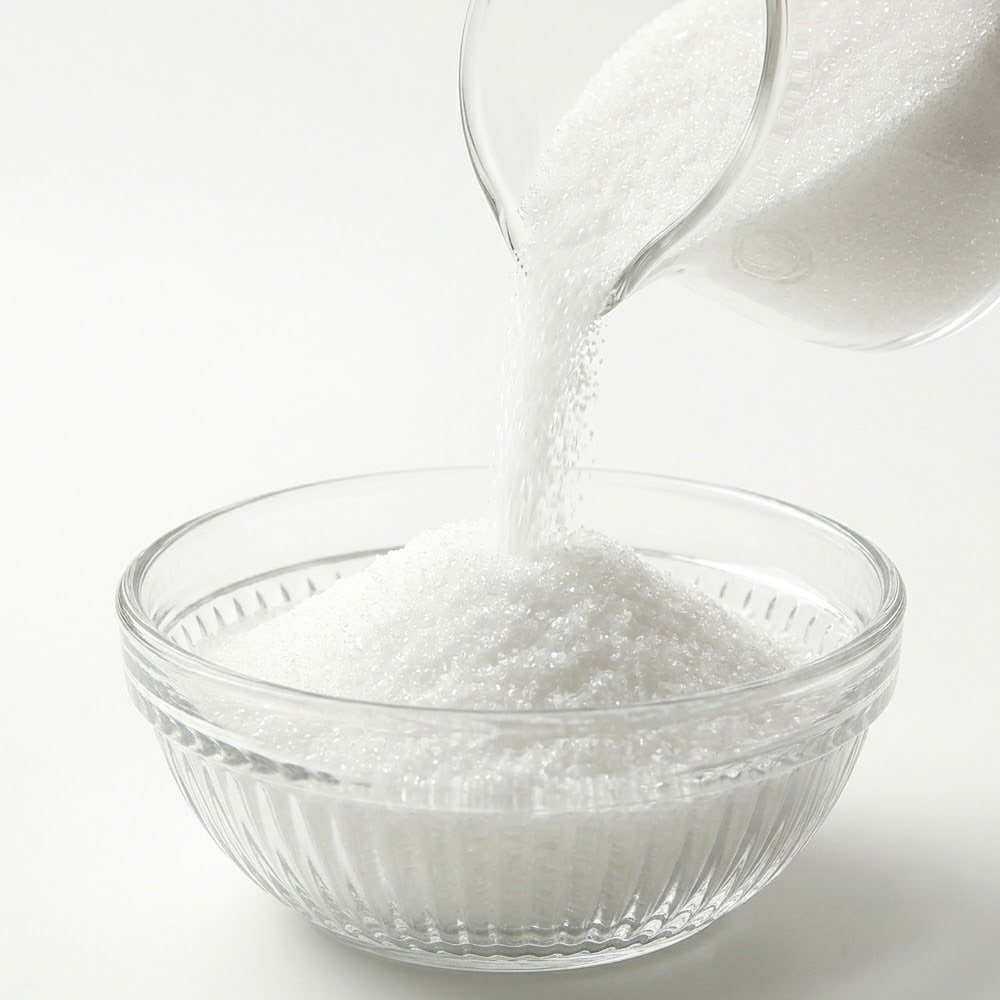
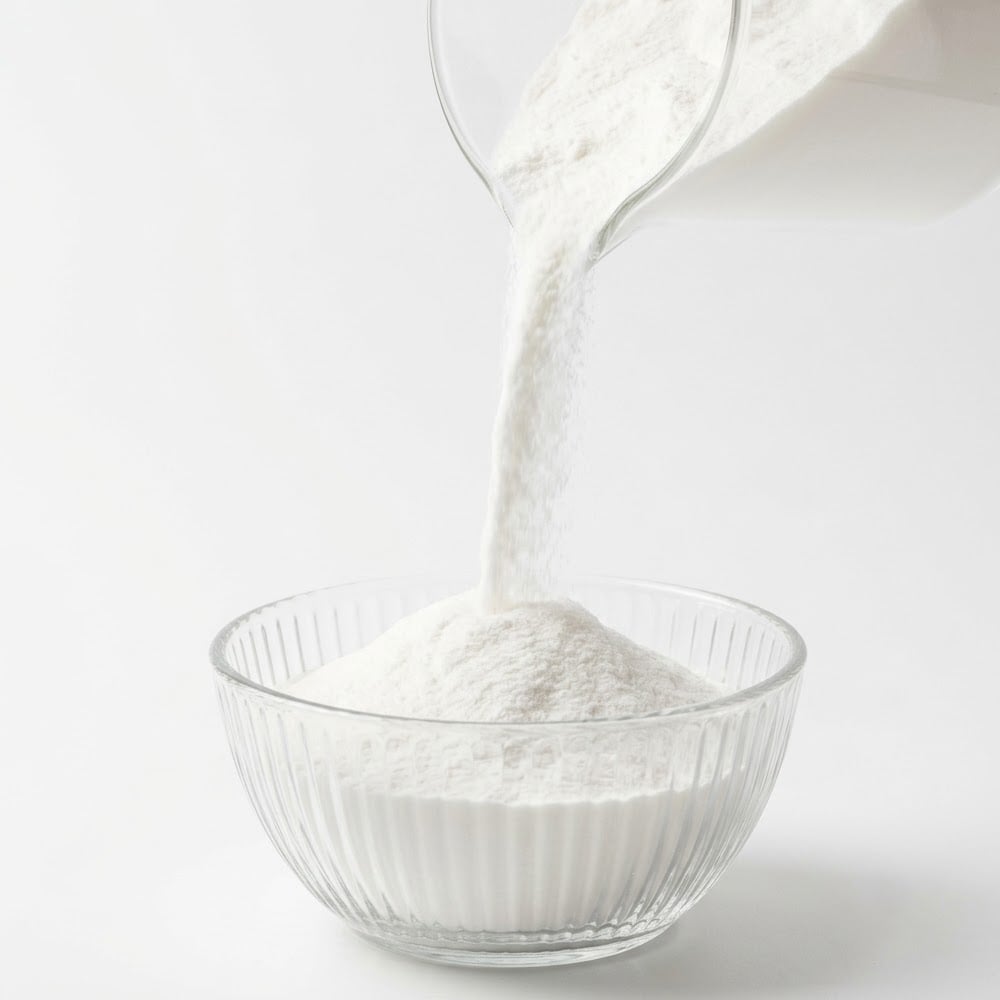
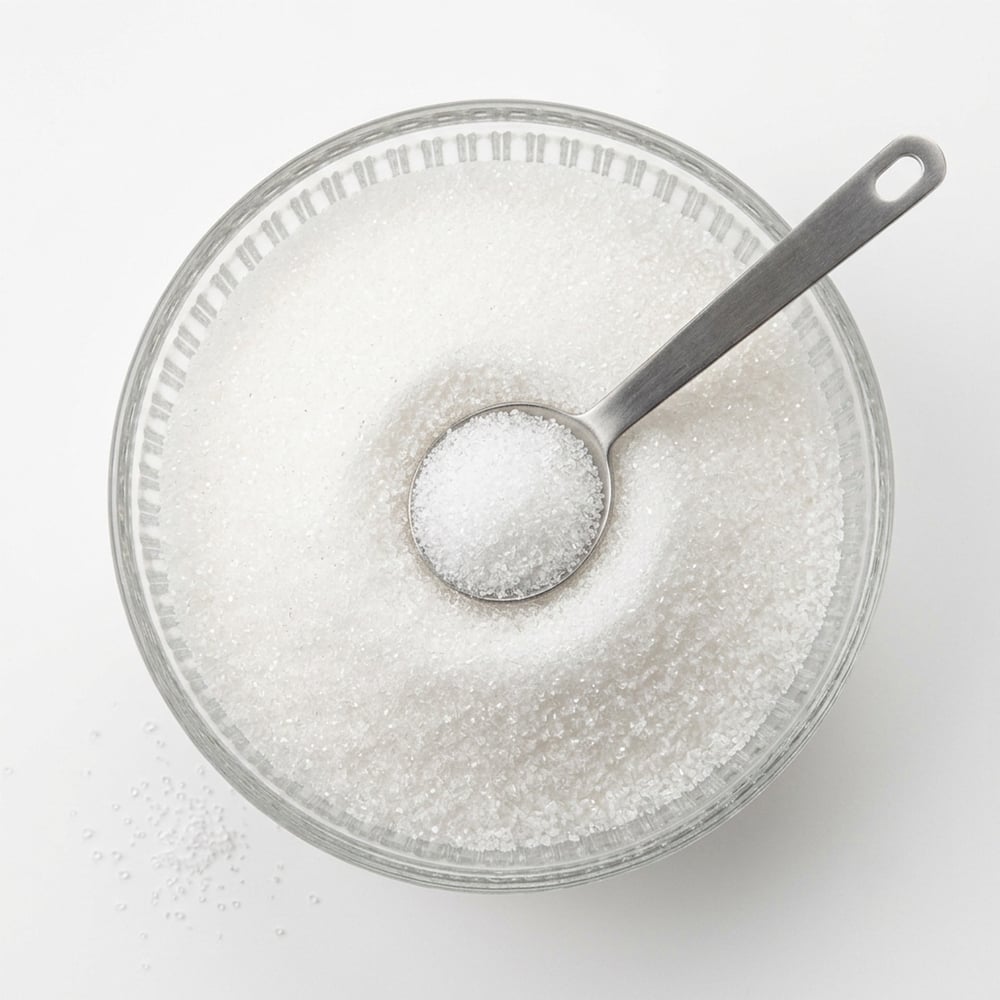
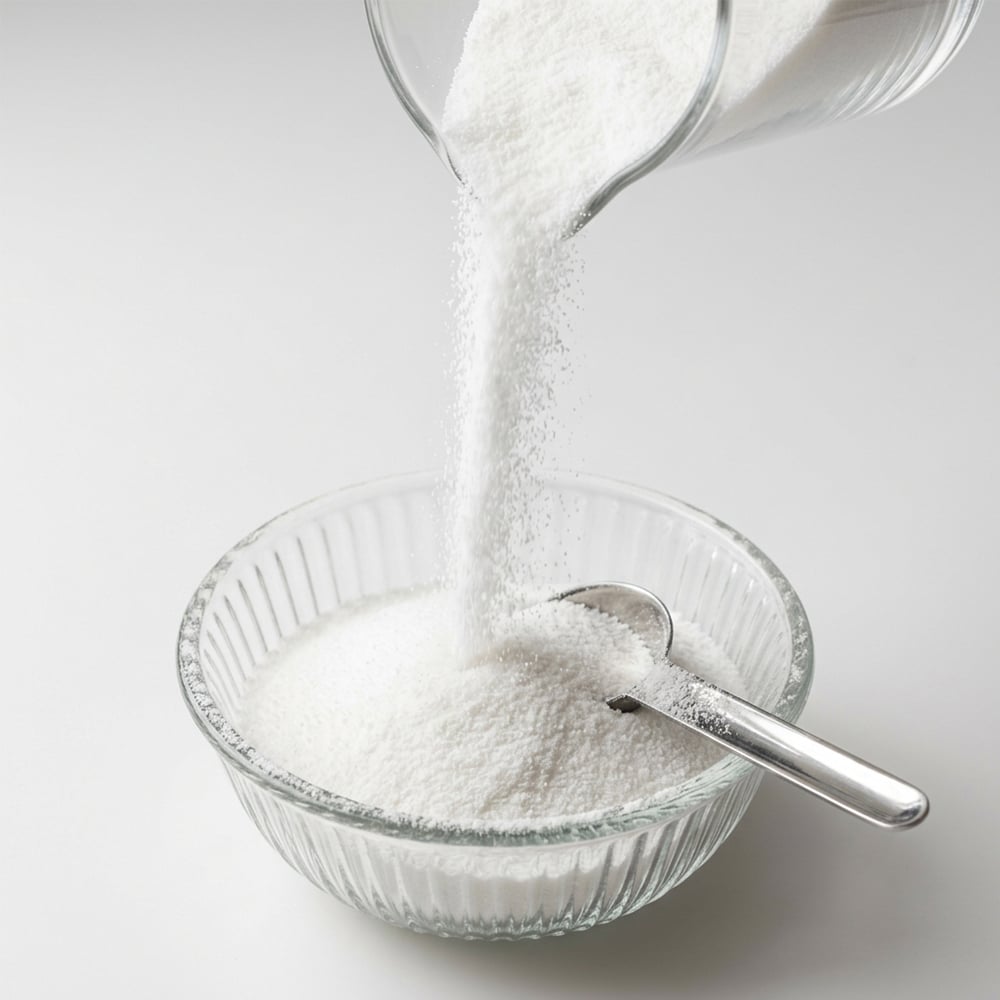
Polyols powder — also referred to as sugar alcohols — are reduced-calorie carbohydrate sweeteners derived from natural sugars through catalytic hydrogenation. This category includes sorbitol, xylitol, maltitol, mannitol, and isomalt, each available in crystalline or fine powder form for direct incorporation into industrial production lines. Common functional properties include caloric density lower than sucrose (typically 0–2.4 kcal/g depending on type), non-cariogenic status, and a reduced glycemic profile — making polyols powder a central ingredient class in sugar-free and reduced-sugar product development worldwide.
Unlike high-intensity artificial sweeteners, polyols powder contribute bulk, texture, and mouthfeel comparable to sucrose, while occupying a separate regulatory classification in most markets. This enables specific labeling claims such as "sugar-free," "reduced calorie," or "does not promote tooth decay," depending on the destination market's applicable rules. These compliance thresholds differ by country, so understanding the regulatory environment before committing to a formulation is always advisable for manufacturers targeting multiple markets.
This polyols powder category covers the major crystalline sugar alcohol types used across food, confectionery, pharmaceutical, and oral care manufacturing:
When evaluating polyols powder, sweetness level is only the starting point. Sugar alcohol types differ significantly across several formulation-critical dimensions:
One formulation misconception worth addressing: most buyers assume that matching sweetness relative to sucrose enables a direct equal-weight substitution. In a polyols powder reformulation, mouthfeel, water activity, bulking behavior, and crystallization characteristics all shift depending on the specific type selected. Preliminary application testing before scaling to industrial volumes is not optional — it is standard practice in this category.
Polyols powder serve a wide range of end markets. Matching the right type and grade to the application's functional requirements is the critical first step before committing to a large-volume sourcing decision:
Selecting polyols powder starts with three consistent evaluation questions: What is the functional requirement of the target formulation? What regulatory environment governs the destination market? And what quality documentation standard does the QA team require?
On functional requirements, the cooling effect, hygroscopicity, and crystallization behavior of polyols powder are not interchangeable across types. A formulation team transitioning a hard candy product to a polyols powder base needs to confirm hygroscopicity data for the selected grade before production trials — not after identifying shelf-life issues in the finished product. Application testing at bench scale before large-volume commitment is standard practice.
On regulatory environment: polyols powder labeling rules differ by destination market. In the US, FDA guidance generally permits "sugar-free" claims when specific conditions are met; in the EU, EFSA regulations on laxative effect labeling apply above certain daily consumption thresholds. Exporters shipping into multiple markets should confirm applicable regulations per SKU, rather than applying a single-market rule globally.
On quality documentation: if your QA system requires USP/NF or EP-compliant batch certificates of analysis, verify that the polyols powder supplier provides full specification testing data — purity, moisture, reducing sugars, heavy metals, and microbial load — on a per-batch basis. Sourcing from multiple suppliers and mixing batches without proper traceability can introduce consistency variation that affects product quality, particularly when the ingredient serves as the primary texture and sweetness contributor in a formulation.
For buyers managing both food and pharmaceutical production lines, a supplier offering polyols powder in dual-grade configurations — food-grade and pharmaceutical-grade within a single quality management system — reduces vendor complexity and simplifies periodic qualification renewal.
Global demand for polyols powder continues to expand, driven by consumer health awareness, regulatory sugar reduction initiatives, and retailer clean-label requirements. These ingredients occupy the intersection of this demand and the technical requirement to maintain product texture, sweetness, and shelf stability without sugar — making polyols powder a recurring procurement category for food, confectionery, and pharmaceutical manufacturers in health-positioned segments.
Buyers sourcing polyols powder should confirm applicable tariff classifications for their destination market, as different sugar alcohols carry different HS codes and import duty rates. Products documented at 0% US import tariff under applicable HTS codes provide a measurable cost advantage in North American procurement planning. Pharmaceutical-grade polyols powder with USP/NF and EP compliance documentation can support regulatory submissions without requiring additional third-party certification steps, provided the supplier's quality system scope is documented and auditable.
Supply reliability and production capacity distinguish strategic supplier relationships from transactional sourcing in this ingredient category. Buyers planning multi-year contracts or high-volume seasonal orders — particularly in confectionery, where demand concentrates around key seasonal periods — benefit from confirming the polyols powder supplier's production capacity, scheduling flexibility, and batch reservation capability well before the procurement cycle begins.

 EN
EN