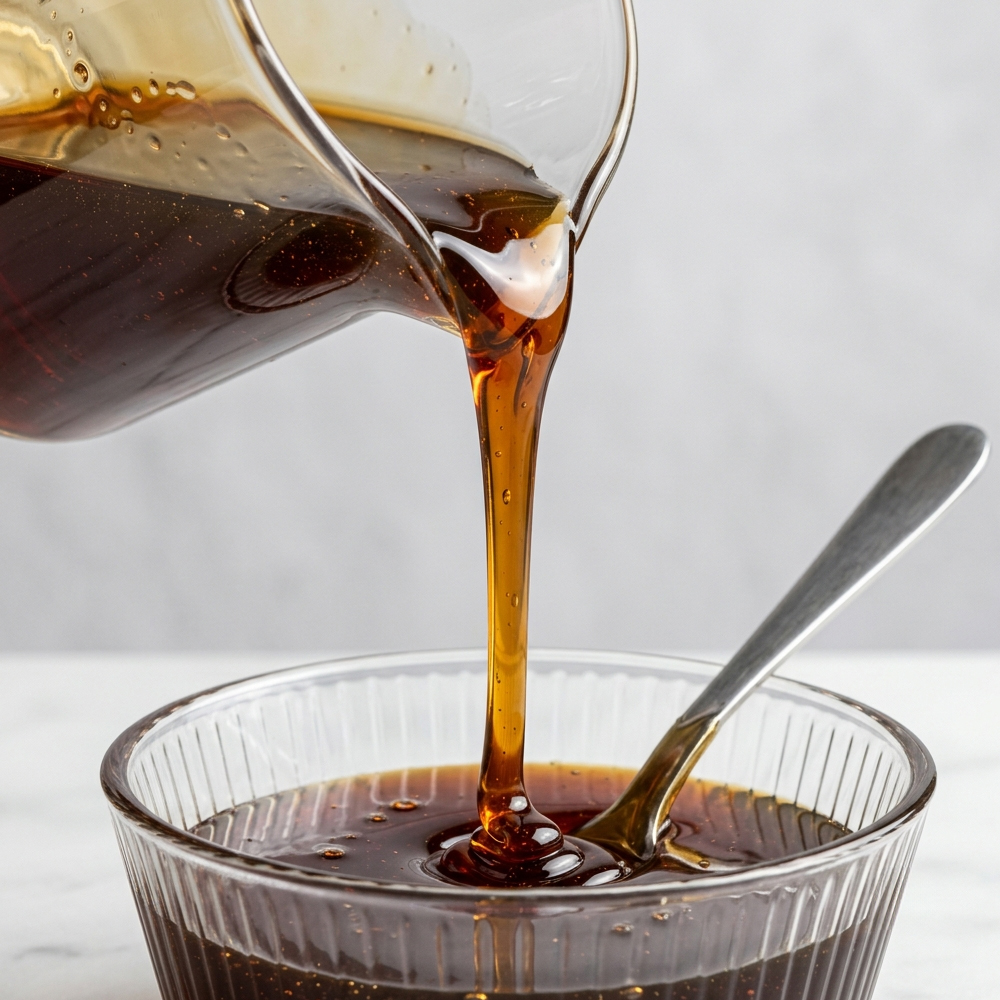
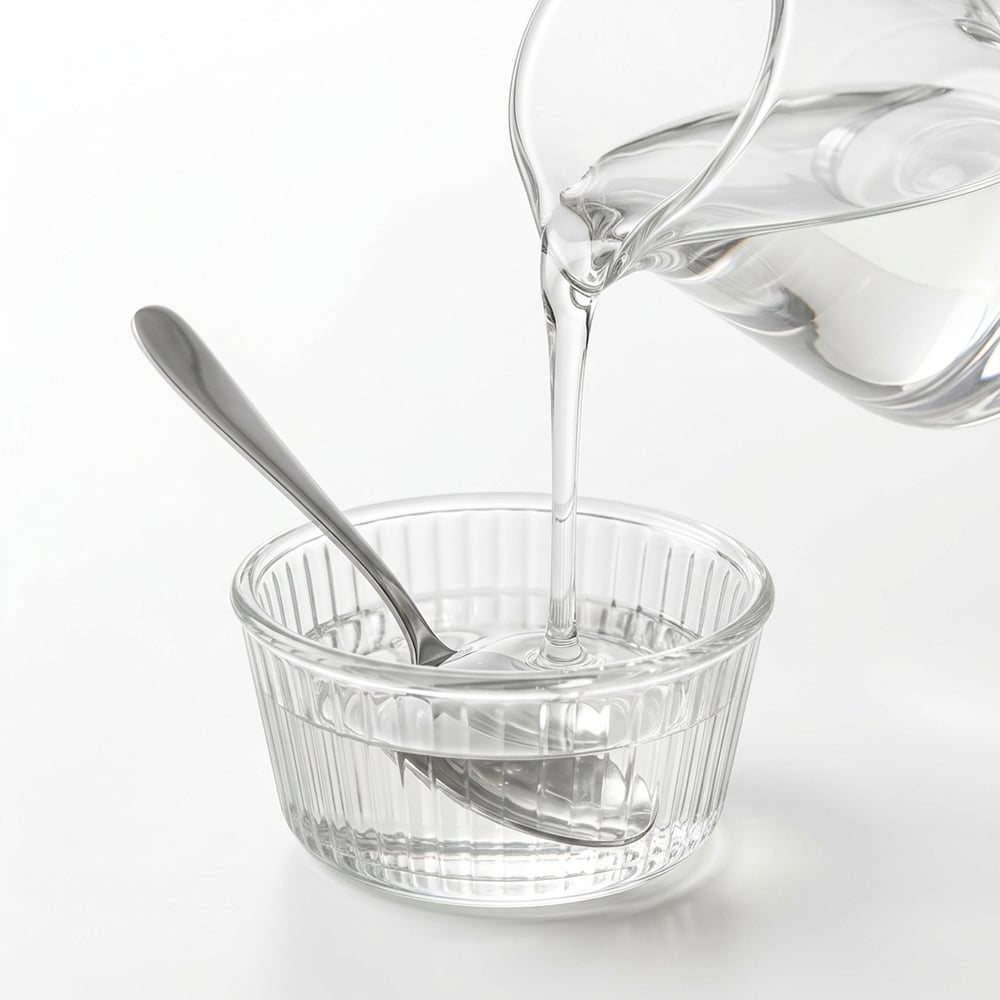
Huanfa Biotechnology's Sorbitol Solution 70% (Non-Crystallizing Grade 870B) — a high-purity D-sorbitol liquid manufactured under FSSC 22000, ISO 9001, ISO 14001, Kosher & Halal certifications. Non-cariogenic, low-calorie (2.6 kcal/g), 0% US import tariff. Ideal for toothpaste, sugar-free confectionery, food, pharmaceuticals, cosmetics, and industrial applications. Annual capacity of 1 million metric tons. Global shipping from Guangdong, China.
Sorbitol Solution 70% (Non-Crystallizing Grade 870B) is a clear, colorless, odorless syrupy liquid containing approximately 70% D-sorbitol by weight, manufactured through the catalytic hydrogenation of glucose derived from non-GMO corn starch. As a member of the polyol (sugar alcohol) family, sorbitol delivers roughly 60–70% of sucrose's sweetness at only 2.6 kcal/g — about two-thirds the caloric value of sugar — while remaining non-cariogenic (does not promote tooth decay) and producing a lower glycemic response than conventional sugars.
The "non-crystallizing" designation is a critical technical distinction. Unlike crystalline-grade sorbitol solutions, Grade 870B is formulated with a controlled polyol profile — including a small proportion of mannitol and higher polyhydric alcohols — that inhibits crystal nucleation and growth even at high solids concentration and low storage temperatures. This means the product remains a pumpable, homogeneous liquid without the crystal formation that can clog transfer lines, compromise dosing accuracy, and create quality issues in finished formulations. It is the practical, production-floor-friendly form of sorbitol that formulators reach for when reliable liquid handling matters as much as functional performance.
At Huanfa Biotechnology, sorbitol is manufactured within a 250,000-square-meter integrated facility where glucose syrup — our own in-house product — serves as the hydrogenation feedstock. This vertical integration, combined with digitally controlled hydrogenation reactors and multi-stage ion-exchange purification, yields a sorbitol solution of exceptional purity, consistent viscosity, and industry-leading low reducing-sugar content. With an annual capacity of 1 million metric tons across our starch derivative portfolio and a dedicated sorbitol production stream, Huanfa is one of the world's largest and most reliable sorbitol manufacturers.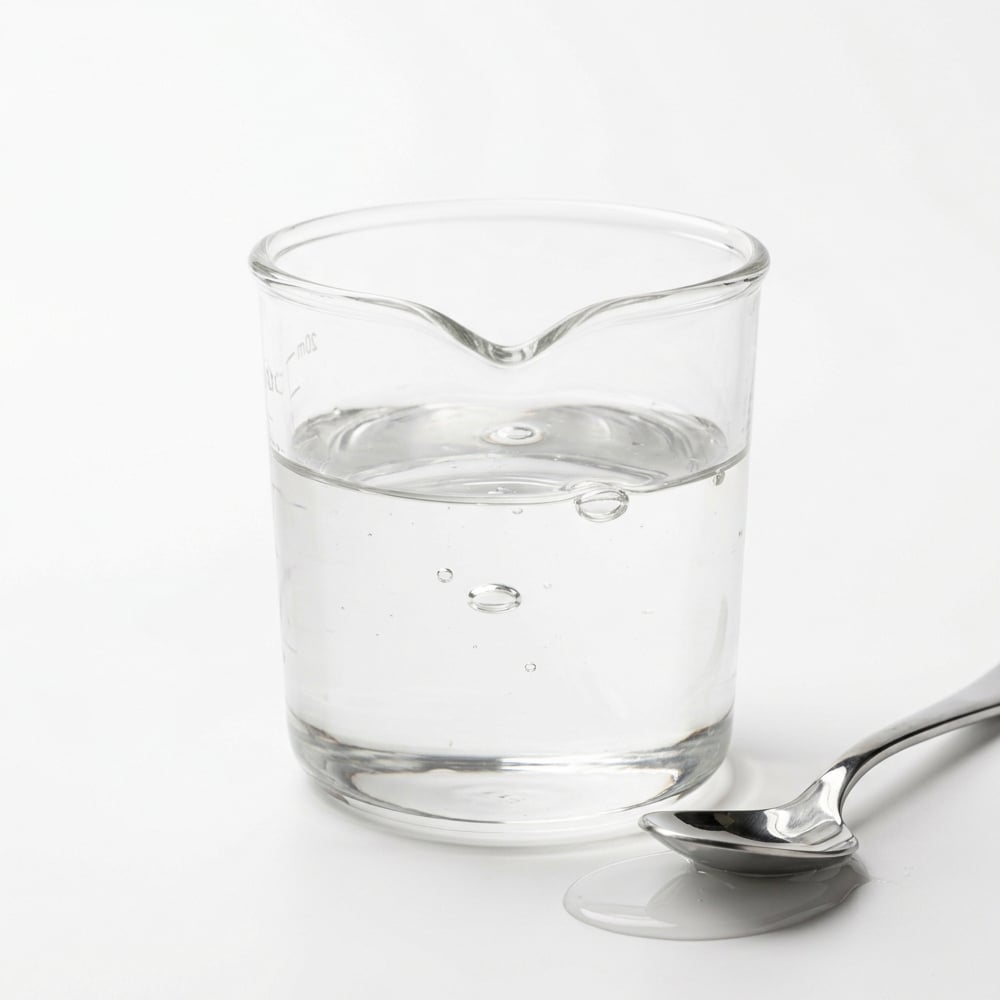
Key trade note: Under the current US Harmonized Tariff Schedule, sorbitol solution (HTS 2905.44) benefits from a 0% import duty — a significant cost advantage compared to other polyols and sweeteners that face Section 301 and IEEPA tariffs of up to 45%. This makes Huanfa sorbitol a uniquely cost-competitive ingredient for US-based formulators.
Why Source Sorbitol Solution 70% from Huanfa Biotechnology?
1. 0% US Import Tariff — A Major Cost Advantage
Under the current US Harmonized Tariff Schedule, sorbitol (HTS 2905.44.0000) carries a 0% rate of duty. In an environment where many competing sweeteners and polyols from China face Section 301 (25%) and IEEPA (20%) tariffs — pushing total duties as high as 45% — sorbitol's duty-free status gives US-based formulators a compelling cost advantage when sourcing from Huanfa. This is not a temporary exemption; it is the standard MFN rate, providing long-term cost certainty.
2. Vertically Integrated — From Starch to Sorbitol
Huanfa does not purchase glucose syrup for hydrogenation — we produce it ourselves within the same 250,000-square-meter facility. Our corn starch slurry is enzymatically converted to high-purity glucose syrup, which is then immediately fed into digitally controlled catalytic hydrogenation reactors. This uninterrupted chain — with no intermediate transport, storage, or third-party handling — eliminates the quality variables and contamination risks inherent in a multi-supplier sorbitol supply chain.
3. Grade-Specific Manufacturing
We do not make one sorbitol and hope it works for everyone. Huanfa produces distinct grades — crystalline 370A, non-crystallizing 870B, and vitamin C-grade 0270C — each with a deliberately engineered polyol profile optimized for its intended application. Grade 870B's non-crystallizing formulation is specifically designed to remain liquid and pumpable at ambient temperatures, eliminating the production-floor headaches that crystalline grades create in toothpaste, confectionery, and food manufacturing.
4. Internationally Recognized Certifications
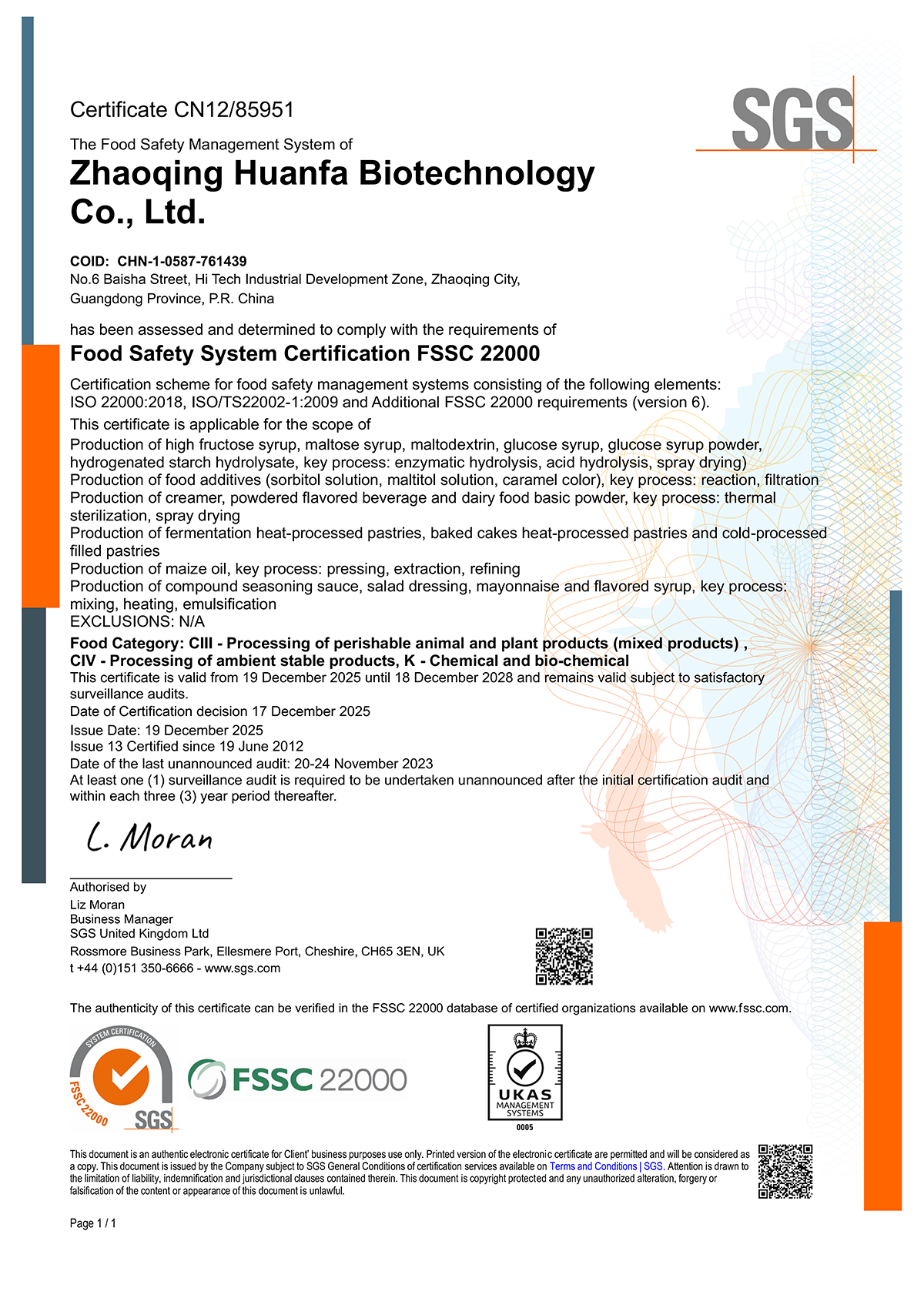
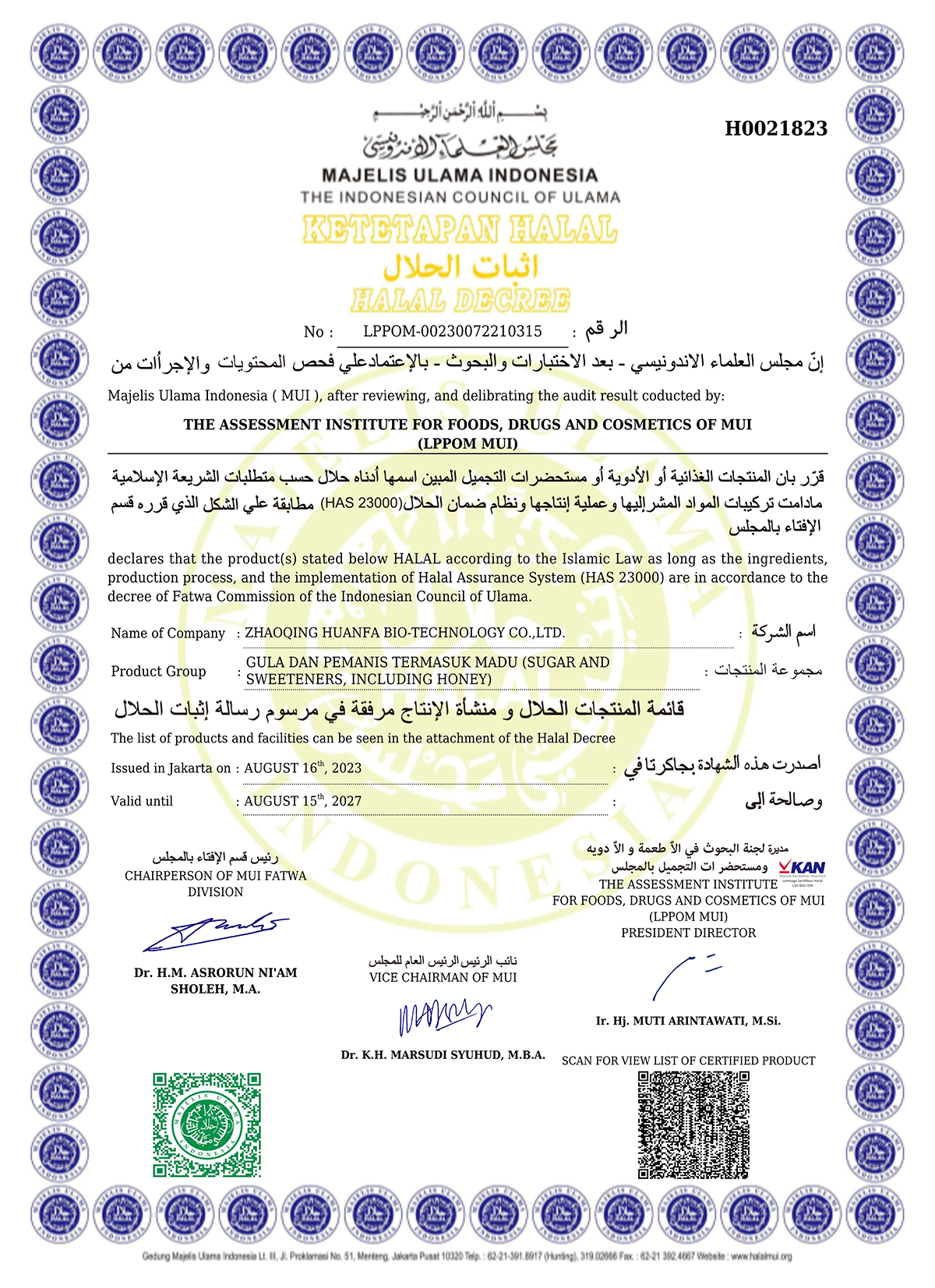
Huanfa's integrated management system is independently audited and certified:
FSSC 22000: GFSI-benchmarked food safety system certification
ISO 9001:2015: Quality management system
ISO 14001:2015: Environmental management system
Kosher Certification: Year-round and Passover-certified
Halal Certification: Compliant with Islamic dietary requirements
Non-GMO: Sorbitol is manufactured from verified non-GMO corn-derived glucose
5. Global Oral Care Brand Endorsement
Huanfa sorbitol is used in toothpaste manufactured by Colgate-Palmolive — a name that itself serves as a quality audit. When a global oral care leader with some of the most rigorous supplier qualification standards in the industry trusts your sorbitol as a core ingredient touching billions of consumer brushing experiences, that trust speaks louder than any specification sheet.
6. Strategic Location & Logistics
Located in Zhaoqing, Guangdong — within three hours of Guangzhou, Shenzhen, and Hong Kong ports — Huanfa offers competitive ocean freight rates and weekly sailings to North America, Europe, Southeast Asia, the Middle East, Africa, and Latin America. Our experience with heated ISO tanks ensures that sorbitol solution arrives at cold-climate destinations above the critical 15°C threshold.
7. R&D-Driven Technical Support
Our 60-member R&D team operates fully equipped applications laboratories capable of viscosity profiling, crystallization tendency testing, humectancy measurement, and accelerated shelf-life studies. We can develop customized sorbitol solutions — including adjusted solids concentration, modified polyol distribution for specific crystallization behaviors, and tailored reducing-sugar limits — to meet your exact formulation requirements.
Superior humectancy: Sorbitol's multiple hydroxyl groups bind water tenaciously, making it one of the most effective humectants available to formulators. In toothpaste, it prevents the product from drying out in the tube between uses. In baked goods, it retains moisture to extend softness and shelf life. In cosmetics, it keeps creams and lotions from forming a dry crust around the cap.
Non-cariogenic sweetness: Sorbitol is not fermented by oral bacteria (Streptococcus mutans) into the acids that demineralize tooth enamel. This makes it the sweetener of choice in toothpaste, mouthwash, and sugar-free chewing gum — where the sweet taste consumers expect must not come at the cost of tooth decay.
Reduced caloric value: At 2.6 kcal/g versus 4.0 kcal/g for sugar, sorbitol enables calorie reduction in sugar-free and reduced-sugar confectionery, baked goods, and frozen desserts without sacrificing bulk, body, or mouthfeel.
Low glycemic response: Sorbitol is absorbed slowly and incompletely in the small intestine, producing a significantly attenuated blood glucose and insulin response compared to glucose or sucrose. This makes it suitable for diabetic-friendly and low-glycemic food formulations.
Cooling mouthfeel: Sorbitol has a negative heat of solution — it absorbs heat as it dissolves on the tongue, producing the characteristic "cool" sensation valued in mint-flavored toothpaste, chewing gum, and confectionery.
Chemical inertness: Sorbitol does not participate in Maillard browning reactions with amino acids and proteins, making it ideal for heat-processed products where color stability is critical — from clear hard candies to white toothpaste stripes. It also resists caramelization and degradation at typical food processing temperatures.
Plasticizing and softening function: In gelatine-based confectionery (gummies, marshmallows), sorbitol acts as a plasticizer that keeps the gel matrix soft and pliable rather than tough and leathery over shelf life. In shredded coconut and similar dehydrated products, it maintains a moist, palatable texture.
Viscosity contribution: At 70% solids, sorbitol solution contributes substantial body and mouthfeel to liquid formulations — a functional benefit in syrups, elixirs, and liquid oral care products where the product must feel "substantial" to the consumer.
Huanfa Sorbitol Solution 70% — Grade 870B (Non-Crystallizing)
| Parameter | Specification | Test Method / Reference |
| CAS Number | 50-70-4 | — |
| EINECS | 200-061-5 | — |
| Molecular Formula | C₆H₁₄O₆ | — |
| Molecular Weight | 182.17 g/mol | — |
| INS / E Number | INS 420(ii) / E 420(ii) | — |
| Appearance | Clear, colorless, syrupy liquid; free from visible crystals | Visual |
| Odor | None | Organoleptic |
| Taste | Sweet, bland, cool mouthfeel; no off-flavors | Organoleptic |
| D-Sorbitol Assay (as anhydrous substance) | 72–92% | HPLC |
| Total Solids (Dry Substance) | 68–72% (w/w) | Refractometer / Oven Drying |
| Water Content | 28–32% | Karl Fischer |
| Specific Gravity (@ 25/25°C) | ≥ 1.285 | Pycnometer / Density Meter |
| Refractive Index (@ 20°C) | 1.455–1.465 | Refractometer |
| pH (14% w/v aqueous solution) | 5.0–7.5 | pH Meter |
| Optical Rotation | +1.50° to +3.50° | Polarimeter |
| Reducing Sugars (as glucose) | ≤ 0.3% | Titration (Sodium Thiosulphate) |
| Conductivity (@ 20°C, undiluted) | ≤ 10 μS/cm | Conductivity Meter |
| Residue on Ignition (Sulfated Ash) | ≤ 0.1% | Muffle Furnace |
| Viscosity (@ 25°C) | ~110 cP (mPa·s) | Rotational Viscometer |
| Boiling Point | ~105°C | — |
| Calorific Value (dry basis) | 2.6 kcal/g | Calculated |
| Sweetness (relative to sucrose) | ~0.6–0.7× | Organoleptic |
| Crystallization Tendency | Non-crystallizing under normal storage (≥ 15°C) | Controlled polyol profile (870B grade) |
Heavy Metals
| Element | Limit | Test Method |
| Lead (Pb) | ≤ 0.5 mg/kg | ICP-MS / Atomic Absorption |
| Nickel (Ni) | ≤ 1.0 mg/kg | ICP-MS (residual catalyst monitoring) |
| Arsenic (As) | ≤ 0.5 mg/kg | ICP-MS / Atomic Absorption |
| Heavy Metals (total, as Pb) | ≤ 5.0 mg/kg | Colorimetric / ICP-MS |
Microbiological Standards
Sorbitol solution's high osmotic pressure and low water activity inherently inhibit microbial growth. The product is essentially sterile as manufactured, but the following microbiological limits are verified on every production batch:
| Parameter | Specification | Test Method |
| Total Aerobic Microbial Count | ≤ 100 CFU/g | ISO 4833-1 |
| Total Yeast & Mold Count | ≤ 10 CFU/g | ISO 21527-1 |
| Coliforms | Absent in 10g | ISO 4832 |
| Escherichia coli | Absent in 10g | ISO 16649-2 |
| Salmonella spp. | Absent in 25g | ISO 6579-1 |
Shelf Life & Storage
| Commercial Shelf Life | 24 months from date of manufacture |
| Chemical Stability | Sorbitol is chemically stable indefinitely under recommended storage conditions; pH may drift slightly downward over extended periods (re-test after 12 months if stored beyond 1 year) |
| Storage Temperature | ≥ 15°C — This is critical. Storage below 15°C may induce crystallization even in non-crystallizing grades. If crystals form, gently warm to 40–50°C with mild agitation to re-dissolve. |
| Storage Environment | Cool, dry, ventilated; keep containers tightly sealed; avoid direct sunlight |
| Tank Storage (bulk) | Use stainless steel (304 or 316) or FDA-approved lined mild steel tanks; UV sterile conditioning system recommended for long-term bulk storage |
| Freeze Protection | Do not allow to freeze. Freeze-thaw cycles may irreversibly damage the non-crystallizing polyol balance. |
| Evaporation Control | Product stored in vented tanks may lose water through evaporation over extended periods, increasing viscosity and solids concentration. Monitor and adjust if needed. |
Note: While sorbitol solution is chemically and microbiologically stable for extended periods, Huanfa assigns a conservative 24-month commercial shelf life to ensure that our customers receive product within its optimal pH and viscosity window. Actual usable life may extend well beyond this period under proper storage conditions. For pharmaceutical-grade applications, consult our technical team regarding extended dating requirements.
Packaging Options
| Packaging Type | Net Weight / Volume | Best Suited For |
| Food-grade HDPE jerrycan | 25 kg | Small-volume users, R&D trials, sample evaluation |
| Food-grade HDPE drum | 200 L (~260 kg) | Medium-volume manufacturers; standard factory dosing |
| 200 L steel drum with epoxy-phenolic liner | 200 L (~260 kg) | Extended storage; superior barrier properties |
| IBC tote (Intermediate Bulk Container) — HDPE with steel cage | 1,200–1,300 kg | High-volume production lines; reduced handling and changeover |
| Flexitank (single-use multi-layer PE liner in 20' container) | 23–24 metric tons | Maximum logistics efficiency for bulk export buyers |
| ISO tank container (stainless steel, food-grade) | 25–26 metric tons | International bulk liquid shipping; multi-trip dedicated service |
| Bulk road tanker | Per order | Regional bulk delivery to large-scale manufacturing plants |
All palletized packaging uses fumigated, ISPM-15 compliant wooden pallets with stretch wrap. For shipments to tropical regions or cold-climate destinations, we recommend heated/insulated ISO tanks to maintain product temperature above 15°C throughout transit.
Why "Non-Crystallizing" (Grade 870B) Matters?
Huanfa produces sorbitol solution in multiple grades, each engineered for specific application requirements. Understanding the difference is critical to selecting the right product:
| Grade | Crystallization Behavior | Best Applications |
| 370A (Crystalline) | Crystallizes readily at ambient temperature | Vitamin C (ascorbic acid) production, where sorbitol is used as a fermentation feedstock and crystallization is irrelevant or desired |
| 870B (Non-Crystallizing) | Remains liquid and pumpable at ≥ 15°C | Toothpaste, confectionery, food, cosmetics, pharmaceuticals — any application requiring reliable liquid handling |
| 0270C (Vitamin C Grade) | Specialized for fermentation | Dedicated to vitamin C manufacturing processes |
Grade 870B is the non-crystallizing workhorse. Its controlled polyol distribution — a small, deliberate proportion of mannitol and higher polyols alongside the dominant D-sorbitol fraction — disrupts the molecular packing required for crystal formation. The practical result: you can pump it, meter it, blend it, and store it without the production disruptions caused by crystal blockages in transfer lines, inconsistent dosing from partially crystallized totes, or the need for heated storage and handling systems.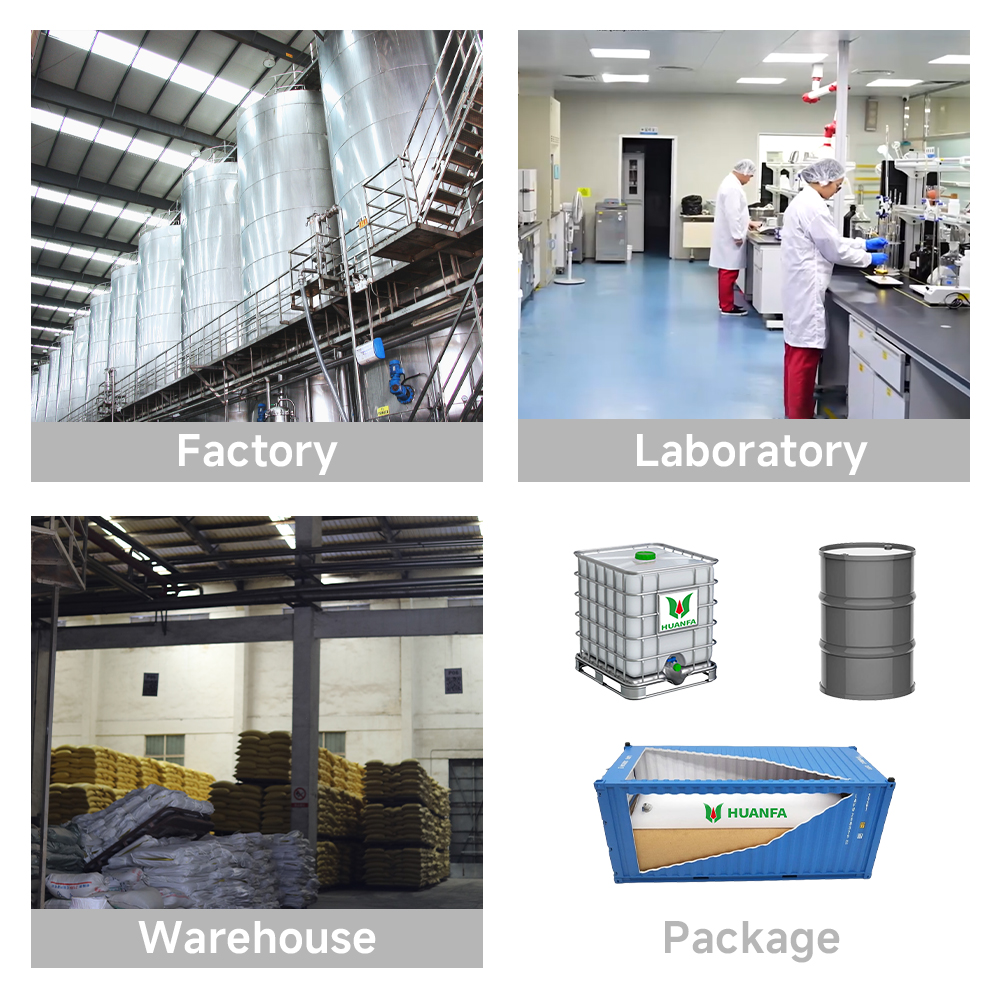
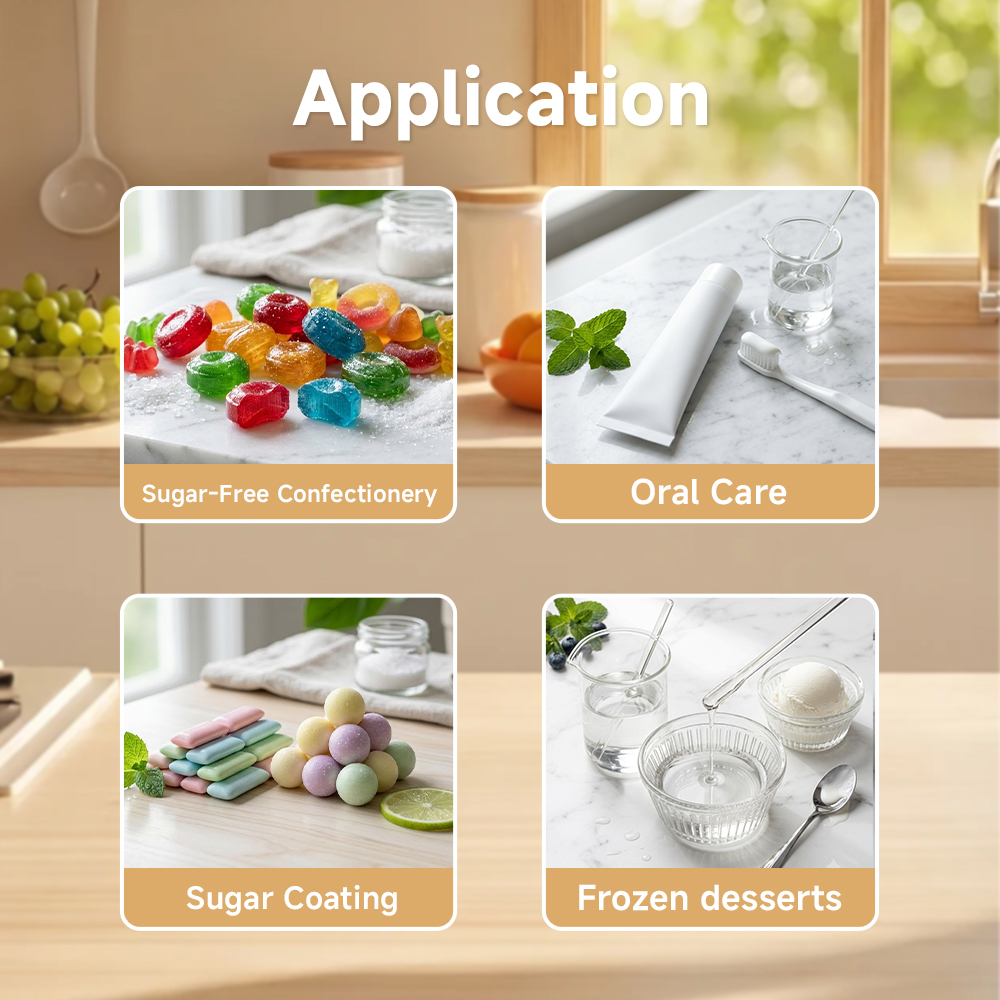
1. Toothpaste & Oral Care — The Core Application
Sorbitol Solution 70% is the single largest liquid ingredient in most toothpaste formulations by volume, typically comprising 20–40% of the finished paste. It is not merely a sweetener — it is a multi-functional structural ingredient without which modern toothpaste would not exist in its familiar form.
Humectant (moisture retention): Sorbitol binds water within the toothpaste matrix, preventing the product from drying and hardening in the tube after opening. Without sorbitol, toothpaste would become an unpumpable, crusted solid within weeks of first use.
Non-cariogenic sweetener: Provides the sweet taste consumers expect without feeding the oral bacteria that cause cavities — a requirement, not an option, for a product positioned as promoting dental health.
Viscosity builder & body agent: Sorbitol's 70% solids concentration contributes the thick, smooth paste consistency that allows toothpaste to sit on a toothbrush without dripping and to spread evenly across teeth during brushing.
Plasticizer: Keeps the toothpaste matrix flexible rather than brittle, preventing cracking and phase separation during storage.
Cooling mouthfeel: The negative heat of solution contributes to the refreshing sensation associated with mint-flavored toothpaste.
Compatibility with actives: Sorbitol is chemically inert toward fluoride, silica abrasives, surfactants (SLS), and flavor oils — it does not react with, degrade, or inactivate any common toothpaste ingredient.
Mouthwash: In alcohol-free mouthwash formulations, sorbitol provides body, mild sweetness, and humectancy without the burning sensation of ethanol, making it suitable for children's and sensitive-teeth products.
Proven at scale: Colgate-Palmolive, one of the world's largest oral care companies, is a long-standing Huanfa customer.
2. Sugar-Free & Reduced-Sugar Confectionery
In confectionery, sorbitol delivers the bulk, body, sweetness, and texture of sugar — without the sugar.
Sugar-free hard candies: Sorbitol solution is cooked to high solids and molded into clear, glassy hard candies that deliver sweetness, cooling mouthfeel, and the satisfying "crack" of traditional boiled sweets without fermentable carbohydrates.
Chewing gum: Sorbitol serves as the primary bulk sweetener in sugar-free gum pellets and sticks, where its cooling effect amplifies mint flavor perception and its non-cariogenic profile supports "sugar-free" and "tooth-friendly" label claims.
Gummies & jellies: Acts as a plasticizer in gelatin and pectin-based gummy systems, maintaining a soft, elastic chew texture over shelf life rather than the progressive toughening observed when sucrose alone is used.
Marshmallows: Contributes to foam stability, moisture retention, and the soft, pillowy texture that defines premium marshmallows — in both sugar-free and conventional formulations.
Compressed mints & lozenges: Serves as a binder and bulk sweetener in direct-compression tablet formulations where rapid dissolution and cooling mouthfeel are desired.
Chocolate & compound coatings: Sorbitol can partially replace sugar in sugar-free chocolate and compound coatings, contributing bulk and sweetness while maintaining melt-away mouthfeel.
3. Food Applications
Beyond confectionery, sorbitol solution functions as a humectant, texturizer, and shelf-life extender across a diverse range of food products.
Baked goods (cakes, muffins, soft cookies): Sorbitol's powerful moisture-binding capacity keeps baked products soft, moist, and fresh-tasting for 3–7 days longer than sucrose-only formulations — a critical competitive advantage in the commercial bakery sector. It does not participate in Maillard browning, which means crust color can be controlled independently via other reducing sugars.
Frozen desserts (ice cream, sorbet, frozen yogurt): Lowers freezing point moderately, improving scoopability at freezer temperature and suppressing the formation of large ice crystals that create a coarse, icy texture. Its reduced sweetness relative to sucrose allows fruit and dairy flavors to project more clearly.
Shredded coconut & dried fruit: Sorbitol is applied as a humectant treatment to maintain the soft, moist texture of desiccated coconut, raisins, and dried fruit pieces — preventing the hard, leathery texture that develops when these products lose moisture to the atmosphere.
Fondants & icings: Contributes to the smooth, spreadable consistency of rolled fondant and poured icing, preventing the sugar crusting and cracking that occurs when moisture evaporates from the surface.
Whipped cream & dessert toppings: Stabilizes the foam structure in aerosol and tub whipped cream products, extending the time the product holds its shape before collapsing.
Surimi & processed seafood: Used as a cryoprotectant in frozen surimi (fish paste) to prevent protein denaturation during frozen storage, preserving the gel-forming ability essential to kamaboko, imitation crab, and fish ball production.
4. Pharmaceutical & Nutraceutical Applications
Sorbitol's safety profile, chemical inertness, and functional versatility make it a widely used excipient in pharmaceutical and nutritional formulations.
Liquid oral dosage forms (syrups, elixirs, suspensions): Sorbitol solution serves as a sweetening vehicle and body-building agent in cough syrups, pediatric medicines, and vitamin syrups — improving palatability and patient compliance without the cariogenic risk or caloric load of sucrose. Its viscosity contributes to the "medicinal" mouthfeel that consumers expect.
Vitamin C (ascorbic acid) production: This is a major industrial application. Sorbitol serves as the fermentation substrate in the Reichstein process and modern biotechnological routes to ascorbic acid. Huanfa's crystalline-grade sorbitol (370A) is specifically produced for this market.
Non-crystallizing sorbitol solution (USP/NF grade): Used as a humectant and plasticizer in soft gelatin capsules, preventing the capsule shell from becoming brittle and cracking during storage.
Effervescent tablets: Functions as a bulk filler and mild sweetener without interfering with the acid-carbonate reaction system.
Nutritional bars & meal replacements: Contributes to the soft, chewy texture and moisture retention of protein bars without adding fermentable sugars.
5. Cosmetics & Personal Care
Toothpaste (see Section 1 above): The dominant application.
Creams & lotions: Sorbitol acts as a humectant in oil-in-water and water-in-oil emulsions, drawing moisture from the air to the skin surface and contributing to the smooth, non-greasy application feel.
Shampoo & body wash: Functions as a humectant and viscosity modifier in sulfate-free and mild surfactant systems where traditional thickeners (salt) are ineffective.
Shaving cream & gel: Contributes to foam stability, lubricity, and post-shave skin feel.
Soap (transparent / glycerin soap): Improves transparency and plasticity in translucent and transparent soap bars, while contributing mild humectancy.
Hair styling products: Acts as a plasticizer in hair gel and styling cream formulations, providing flexible hold without flaking.
6. Industrial & Chemical Applications
While food and personal care dominate sorbitol consumption, significant volumes are used in chemical manufacturing.
Sorbitan ester (Span) & polysorbate (Tween) production: Sorbitol is the starting material for sorbitan monoesters (Span series) and their ethoxylated derivatives (Tween / polysorbate series) — among the most widely used non-ionic emulsifiers in the food, cosmetic, and pharmaceutical industries.
Alkyd resin manufacture: Sorbitol serves as a polyol component in alkyd resin formulations for paints, coatings, and printing inks, contributing to hardness, gloss, and drying characteristics.
Polyurethane raw material: Sorbitol-based polyether polyols are used in rigid polyurethane foam formulations for insulation, construction, and packaging applications.
Adhesive & binder formulations: Sorbitol functions as a humectant and plasticizer in water-based adhesives, preventing premature drying and brittleness.
Tobacco processing: Used as a humectant in cigarette and pipe tobacco to maintain moisture content, prevent crumbling, and moderate burn rate.
Applications by Industry Sector — At a Glance
| Industry Sector | Primary Function | Typical Usage Level |
| Toothpaste & Oral Care | Humectant, non-cariogenic sweetener, body builder, plasticizer | 20–40% of finished toothpaste |
| Sugar-Free Confectionery | Bulk sweetener, humectant, plasticizer, cooling agent | 30–70% of sweetener solids |
| Bakery (Cakes, Cookies, Pastries) | Moisture retention, shelf-life extension, non-browning sweetener | 3–10% of formulation |
| Frozen Desserts | Freezing point depression, ice crystal suppression, texture | 3–8% of formulation |
| Pharmaceutical (Syrups, Capsules, Excipients) | Sweetening vehicle, humectant, plasticizer | Formulation-dependent |
| Cosmetics & Personal Care | Humectant, plasticizer, viscosity modifier | 1–10% of formulation |
| Vitamin C Manufacturing | Fermentation substrate (sorbitol → sorbose → ascorbic acid) | Industrial feedstock |
| Chemical Intermediates (Spans, Tweens, Resins) | Raw material for sorbitan ester and polysorbate synthesis | Industrial feedstock |
| Surimi & Processed Seafood | Cryoprotectant, protein stabilizer | 3–8% of formulation |
| Pet Food (Semi-Moist) | Humectant, texture softener, palatability | 2–8% of formulation |
Q: What is the minimum order quantity (MOQ) for Sorbitol Solution 70% Grade 870B?
A: Standard MOQ is one 200 L drum (~260 kg) for trial orders and one 20-foot container (flexitank or IBC totes, approximately 23–24 metric tons) for commercial supply. Smaller sample quantities (1–5 kg) are available for laboratory evaluation.
Q: What does "non-crystallizing" mean, and why does it matter?
A: Non-crystallizing sorbitol (Grade 870B) contains a controlled distribution of polyols — primarily D-sorbitol with small amounts of mannitol and higher polyhydric alcohols — that prevents the formation of sorbitol crystals even at high solids concentration and ambient-to-cool storage temperatures. This means the product stays liquid and pumpable in your factory, without the crystal blockages, dosing inconsistencies, or heated storage requirements that crystalline grades demand. If you are making toothpaste, confectionery, or any product where sorbitol is pumped from a tote into a mixer, 870B is the grade you need.
Q: What is the shelf life of the product?
A: Huanfa assigns a commercial shelf life of 24 months from date of manufacture. Chemically and microbiologically, sorbitol solution is stable for much longer under proper storage — the pH may drift slightly downward over extended periods, but the product remains functional. For pharmaceutical applications requiring extended dating, please consult our technical team.
Q: Does the product crystallize if it gets cold during shipping?
A: While Grade 870B is engineered to resist crystallization, storage below 15°C can still induce crystal formation. If this occurs, gently warm the product to 40–50°C with mild agitation — the crystals will re-dissolve, and the product will return to its normal state with no loss of quality. For cold-climate destinations, we recommend heated/insulated ISO tanks.
Q: Can Huanfa supply pharmaceutical-grade (USP/NF, BP, Ph. Eur.) sorbitol solution?
A: Yes. Beyond our standard food-grade sorbitol, we manufacture pharmaceutical-grade sorbitol solution meeting USP/NF, BP, and Ph. Eur. monographs. This grade undergoes additional testing (conductivity, optical rotation, nickel catalyst residue) and is supported by full pharmacopoeia documentation.
Q: What is the lead time for a container order?
A: Standard lead time is 15–20 days from order confirmation to vessel departure. ISO tank and flexitank orders may require an additional 3–5 days for logistics coordination. Pharmaceutical-grade orders may require additional quality release time.
Q: Do you offer other sorbitol forms?
A: Yes. In addition to Sorbitol Solution 70% (liquid), Huanfa produces crystalline sorbitol powder in multiple particle sizes (H60 and H20 grades). Both liquid and powder forms are manufactured within the same integrated facility, and we can supply whichever form best suits your production process.

 EN
EN