Huanfa Biotechnology's Sorbitol Solution 70% Grade 0270C — an ultra-high purity D-sorbitol liquid (≥97% D-sorbitol on dry basis, verified 98.89%) manufactured under FSSC 22000, ISO 9001, ISO 14001, Kosher & Halal certifications. 36-month shelf life. Ultra-low reducing sugar (≤0.1%), total sugar (≤0.20%), with nickel catalyst monitoring. Engineered for vitamin C fermentation, pharmaceutical synthesis, and high-purity chemical intermediates. 0% US import tariff. Global shipping from Guangdong, China.
Sorbitol Solution 70% Grade 0270C is Huanfa Biotechnology's ultra-high purity sorbitol — the pinnacle of the company's three-grade sorbitol solution portfolio. Manufactured through precision catalytic hydrogenation of in-house glucose syrup followed by exhaustive multi-stage ion-exchange polishing, 0270C achieves a D-sorbitol content of ≥97% on a dry basis with actual production results routinely reaching 98.9% — placing it in a purity class that few sorbitol manufacturers worldwide can match.
This grade is purpose-engineered for the most chemically demanding applications: as the fermentation substrate in industrial vitamin C (L-ascorbic acid) production via the modern biotechnological pathway; as a high-purity starting material for pharmaceutical synthesis and sorbitan ester manufacture; and wherever the presence of reducing sugars, ionic impurities, or residual catalyst metals would compromise downstream process yield, product quality, or regulatory compliance.
The "0270C" designation is Huanfa's internal grade code for what the industry recognizes as "vitamin C-grade sorbitol". It is manufactured to a specification that prioritizes the three parameters most critical to fermentation and synthesis performance: maximum D-sorbitol content, minimum reducing sugar, and minimum total sugar — with verified results that routinely exceed even the stringent specification limits.
With a 36-month shelf life — the longest in Huanfa's sorbitol portfolio — and available in 1,300 kg IBC totes for efficient bulk handling, Grade 0270C is built for the scale, purity, and supply reliability demands of industrial biotechnology and pharmaceutical manufacturing.
Why Source Sorbitol Solution 70% Grade 0270C from Huanfa Biotechnology?
1. 0% US Import Tariff
Sorbitol carries a 0% MFN duty rate under HTS 2905.44.0000, providing a permanent cost advantage over tariff-burdened polyols and sweeteners — a structural benefit that directly improves the economics of vitamin C and chemical intermediate production for US-based manufacturers.
2. Verified Purity — Not Assumed
The 0270C COA for Lot C1125184H tells the real story: D-sorbitol 98.89%, reducing sugars 0.017% (one-fifth of the 0.10% limit), total sugar 0.09%, nickel <1 mg/kg, residue on ignition 0.01%. These are not marketing claims — they are analytically verified results from an internationally traded, bank-documented shipment. Huanfa provides this level of transparency on every batch.
3. 36-Month Shelf Life — Supply Chain Flexibility
At 36 months, 0270C's shelf life is the longest in Huanfa's portfolio and exceptional among liquid polyol products. This extended stability — enabled by the ultra-low reducing sugar content that eliminates the primary degradation pathway — allows industrial users to maintain strategic safety stock, consolidate shipments for freight efficiency, and manage production scheduling with minimal risk of material expiry.
4. Full Vertical Integration — From Corn to Ultra-Pure Sorbitol
Huanfa's in-house glucose syrup feeds directly into precision hydrogenation reactors, with no external starch sourcing, no intermediate glucose transport, and no blending from third-party polyol streams. This uninterrupted manufacturing chain — combined with exhaustive ion-exchange polishing — is what makes ≥97% purity with single-digit-ppm impurity levels achievable at industrial scale.
5. The Scale to Supply Global Vitamin C Production
With 1 million metric tons of annual starch derivative capacity and a dedicated sorbitol production stream, Huanfa can supply the multi-thousand-ton annual requirements of vitamin C manufacturers without compromising delivery schedules or batch consistency. When your fermentation plant runs 24/7, your sorbitol supplier must be equally reliable.
6. Internationally Recognized Certifications
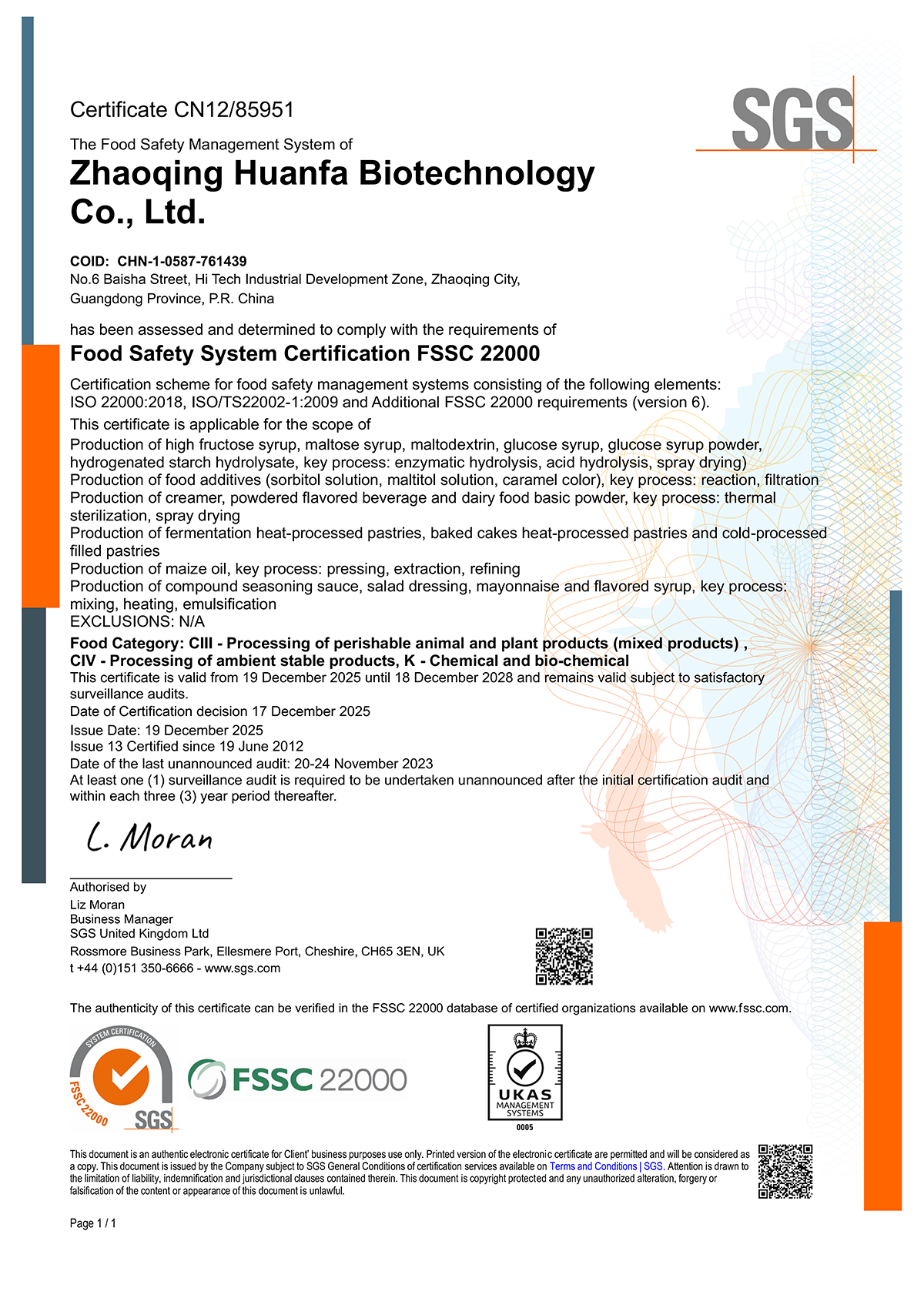
FSSC 22000: GFSI-benchmarked food safety system certification
ISO 9001:2015: Quality management system
ISO 14001:2015: Environmental management system
Kosher Certification: Year-round and Passover-certified
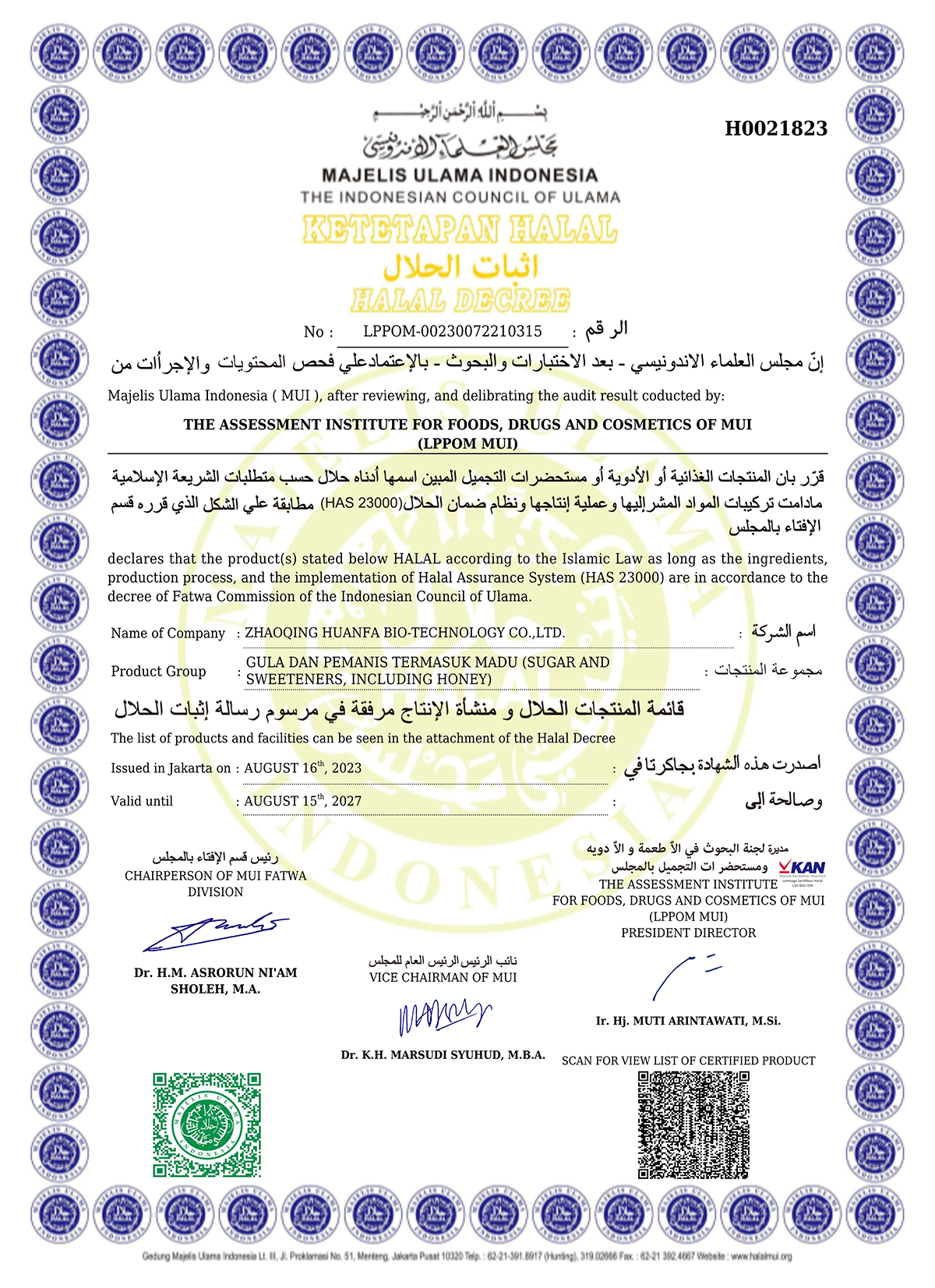
Halal Certification: Global Halal market access
Non-GMO: Verified non-GMO corn-derived glucose feedstock
GB 1886.187: Chinese national food safety standard
7. Global Logistics from South China Ports
Located within three hours of Guangzhou, Shenzhen, and Hong Kong, Huanfa ships ISO tanks and IBC totes of 0270C globally. Lot C1125184H was shipped internationally under letter of credit via First Commercial Bank, Taiwan — demonstrating documented, bank-guaranteed international trade capability.
Why Purity Matters?
For many sorbitol applications, "pure enough" is good enough. For vitamin C fermentation and pharmaceutical synthesis, purity is everything. Here is why each specification in 0270C exists and what happens when it is not met:
≥97% D-Sorbitol (dry basis): In the microbial conversion of sorbitol to L-sorbose — the first and yield-defining step in vitamin C production — every percentage point of non-sorbitol polyol in the feedstock represents inert material that occupies reactor volume, consumes energy in heating and agitation, and must be separated from the product stream downstream. At ≥97% purity (routinely 98.9%), 0270C maximizes the fermentable substrate concentration per unit of feedstock, directly impacting process yield and production economics.
≤0.10% Reducing Sugars (verified 0.017%): Glucose and other reducing sugars present in lower-purity sorbitol grades can support competing microbial metabolism during fermentation, diverting substrate carbon away from the desired sorbose pathway and toward biomass or undesirable byproducts. They can also participate in Maillard reactions during storage and processing, forming colored compounds that must be removed from the final product. At 0.017% — less than one-fifth of the already-stringent specification — 0270C effectively eliminates this variable from the process equation.
≤0.20% Total Sugar (verified 0.09%): Total sugar specification provides an additional guard band beyond reducing sugars, capturing any non-reducing di- and oligosaccharides that could interfere with downstream purification steps. The 0.09% result confirms that 0270C is an exceptionally clean substrate.
Nickel ≤1 mg/kg: Sorbitol is produced by nickel-catalyzed hydrogenation of glucose. Residual nickel in the finished product can poison sensitive fermentation cultures, contaminate pharmaceutical intermediates, and introduce heavy-metal compliance issues. 0270C's dedicated nickel specification — with verified results below 1 mg/kg — is a quality parameter that generic sorbitol grades do not address.
Tightest refractive index range (1.4575–1.4620): The narrow specification window reflects the high degree of compositional control achieved in 0270C manufacturing. A refractive index outside this range would indicate an off-specification polyol distribution, triggering rejection before the product reaches the customer.
Lowest residue on ignition (verified 0.01%): Near-zero inorganic content means less fouling of heat exchangers, less catalyst poisoning risk in downstream chemical synthesis, and fewer ionic species that could participate in unwanted side reactions.
Huanfa Sorbitol Solution 70% — Grade 0270C (Vitamin C / Ultra-High Purity)
Specifications below are verified per the actual Certificate of Analysis for Lot C1125184H, manufactured October 2025.
| Parameter | Specification (GB 1886.187) | Actual Result (Lot C1125184H) | Test Method |
| Appearance | Colorless, clear, transparent, viscous liquid | Pass — Colorless, clear, transparent | Visual |
| Odor | Odorless | Odorless | Organoleptic |
| Taste | Sweet | Sweet | Organoleptic |
| Solids (Anhydrous Substances) | 69.0–71.0% | 0.7 | Oven Drying |
| Refractive Index (@ 20°C) | 1.4575–1.4620 | 1.4582 | Refractometer |
| Sorbitol Content (wet basis) | ≥ 68% | 0.6922 | HPLC |
| D-Sorbitol (dry basis) | ≥ 97% | 0.9889 | HPLC |
| Reducing Sugars | ≤ 0.10% | 0.00017 | Titration |
| Total Sugar | ≤ 0.20% | 0.0009 | HPLC / Titration |
| pH (50% aqueous solution) | 5.0–7.5 | 5.88 | pH Meter |
| Density (@ 20°C) | 1.285–1.315 g/mL | 1.3007 | Density Meter |
| Residue on Ignition (Sulfated Ash) | ≤ 0.10% | 0.0001 | Muffle Furnace (525°C) |
| Chloride (Inorganic) | ≤ 10 mg/kg | < 10 mg/kg | Ion Chromatography |
| Sulfate | ≤ 50 mg/kg | < 50 mg/kg | Ion Chromatography |
| Heavy Metals (total, as Pb) | ≤ 5 mg/kg | < 5 mg/kg | ICP-MS |
| Nickel (Ni) | ≤ 1 mg/kg | < 1 mg/kg | ICP-MS (residual hydrogenation catalyst monitoring) |
This 16-parameter COA is representative of Huanfa Grade 0270C production. Full lot-specific COA is provided with every shipment. Lot C1125184H: manufactured October 4, 2025; shipped under L/C via First Commercial Bank, Taiwan — internationally traded and bank-documented.
Why Grade 0270C? — The Purity Hierarchy
Huanfa's three sorbitol solution grades form a clear purity pyramid. 0270C sits at the top:
| Property | Grade 0270C (This Product) | Grade 370A | Grade 870B |
| D-Sorbitol (dry basis) | ≥ 97% | ≥ 92% | 72–92% |
| Verified result (actual COA) | 0.9889 | 0.948 | — |
| Reducing sugar | ≤ 0.10% | ≤ 0.21% | ≤ 0.3% |
| Total sugar | ≤ 0.20% | ≤ 3.0% | Not specified |
| Nickel monitoring | Yes (≤ 1 mg/kg) | No | No |
| Refractive index range | 1.4575–1.4620 (tightest) | 1.455–1.465 | 1.455–1.465 |
| Non-crystallizing verification | Not required for intended use | -18°C / 48 hrs batch-tested | ≥ 15°C formulation-guaranteed |
| Shelf life | 36 months | 12 months | 24 months |
| Standard packaging | 1,300 kg IBC tote | 270 kg drum | 200 L drum |
| Primary application | Vitamin C fermentation, pharma synthesis, high-purity intermediates | Pharma excipients, premium toothpaste, vitamin C | General food, confectionery, cosmetics, industrial |
Rule of thumb: 0270C = the purest sorbitol Huanfa makes. If reducing sugars, total sugars, or residual catalyst metals could compromise your process — this is the grade.
Shelf Life & Storage
| Parameter | Detail |
| Shelf Life | 36 months from date of manufacture |
| Storage Temperature | 15–30°C (ambient); avoid extreme temperatures |
| Storage Environment | Cool, dry, ventilated; keep containers tightly sealed; avoid direct sunlight |
| Tank Storage (bulk) | Stainless steel (304 or 316) or FDA-approved lined mild steel tanks |
Note on the 36-month shelf life: This is the longest dating in Huanfa's sorbitol portfolio and uncommon for liquid polyol products in the broader market. The extended shelf life is made possible by 0270C's ultra-low reducing sugar content (≤0.10%), which virtually eliminates the slow chemical degradation and pH drift that can occur in lower-purity grades over time. Combined with the inherently sterile nature of the high-temperature manufacturing process, 0270C remains analytically stable well beyond the typical 12–24 month window. For pharmaceutical and industrial users maintaining strategic raw material inventories, this extended dating provides meaningful supply chain flexibility.
Packaging Options
| Packaging Type | Net Weight / Volume | Best Suited For |
| IBC tote (HDPE with steel cage) — Standard | 1,300 kg | High-volume fermentation and synthesis operations; the format verified in Lot C1125184H international shipment via container TGBU3627200 |
| ISO tank container (stainless steel, food-grade) | 25–26 metric tons | Maximum-efficiency bulk liquid for continuous-process manufacturing |
| Flexitank (single-use multi-layer PE liner in 20' container) | 23–24 metric tons | Bulk export to overseas fermentation and synthesis plants |
| Food-grade HDPE drum | 270 kg | Trial quantities and smaller-scale operations |
| Bulk road tanker | Per order | Regional bulk delivery |
| Custom packaging | Per inquiry | OEM and process-specific formats |
The 1,300 kg IBC tote is the standard delivery format for 0270C — sized for efficient handling in industrial fermentation and synthesis facilities where sorbitol is fed continuously into large-scale bioreactors or reaction vessels.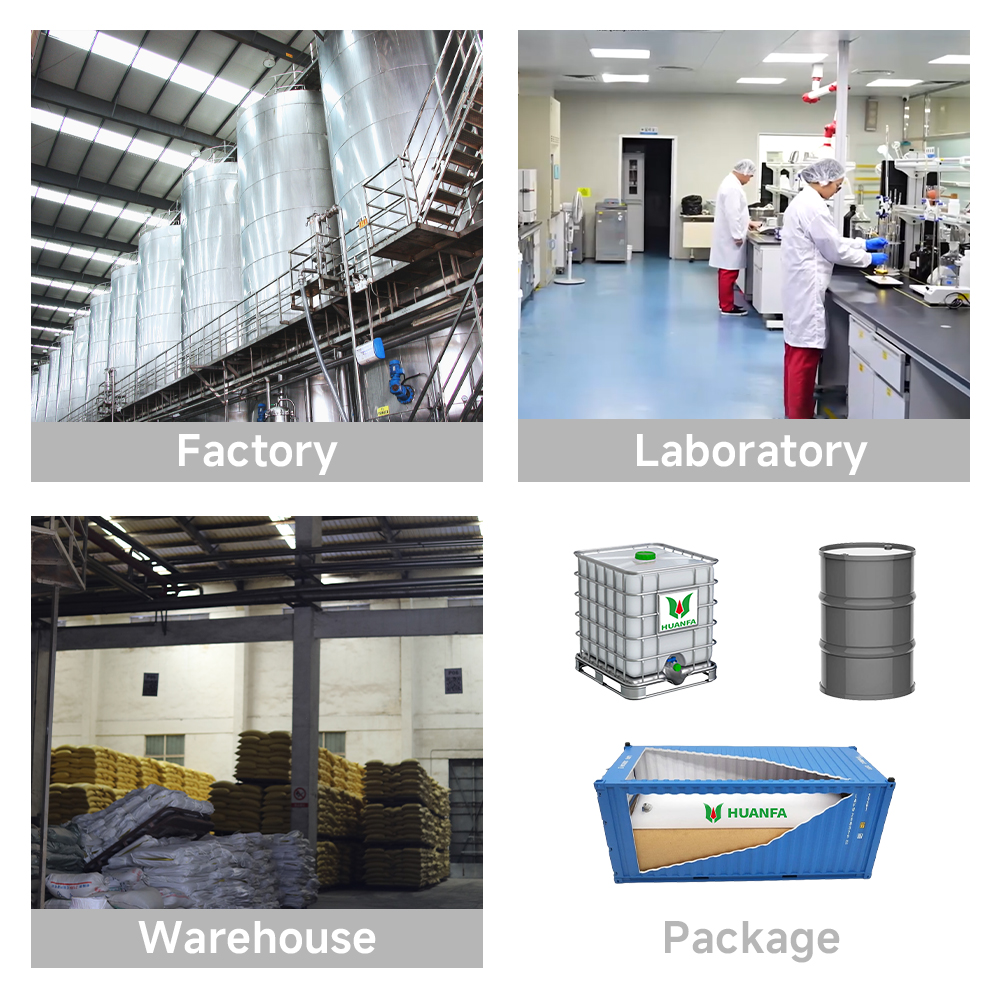
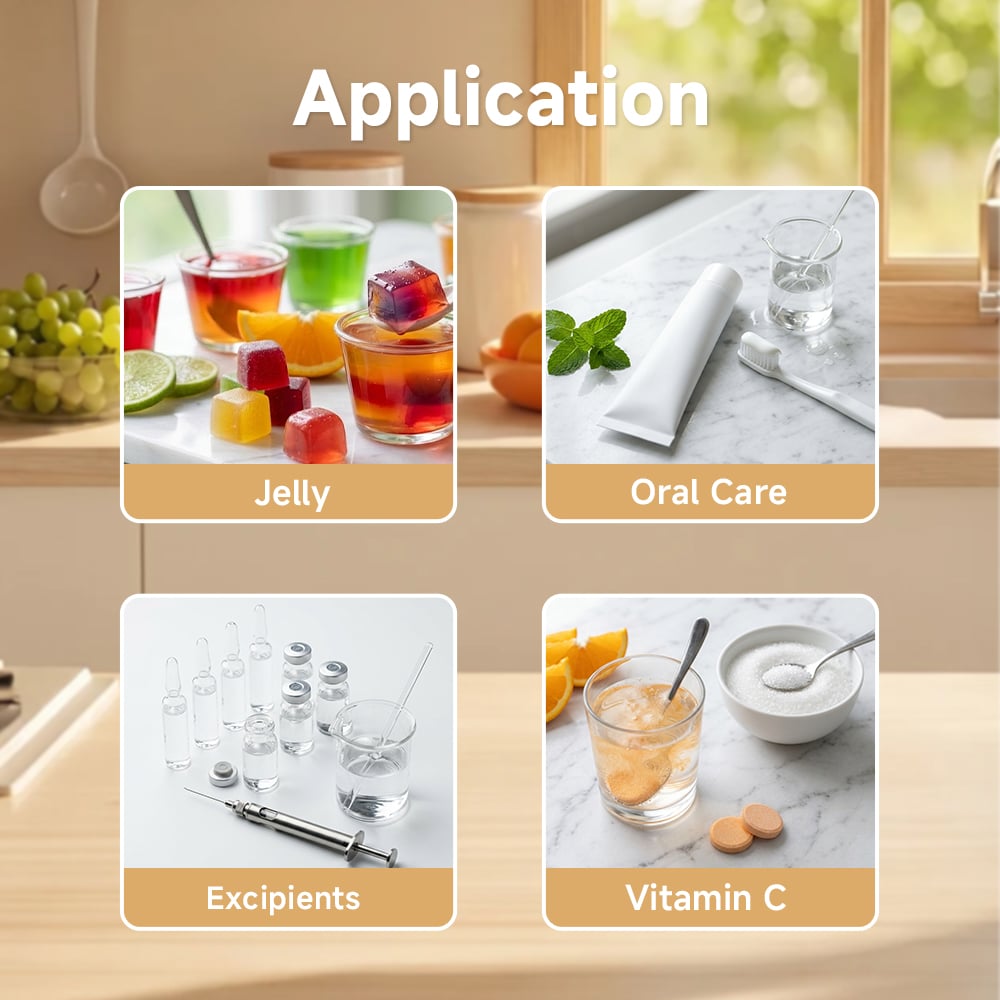
1. Vitamin C (L-Ascorbic Acid) Production — The Defining Application
Sorbitol 0270C is purpose-built for industrial vitamin C manufacturing. The dominant global production route — whether the classical Reichstein process or modern biotechnological two-step fermentation — begins with the quantitative conversion of sorbitol to L-sorbose.
Microbial oxidation (sorbitol → L-sorbose): Acetobacter and Gluconobacter species oxidize sorbitol at the C2 position with near-quantitative yield. Feedstock purity directly determines sorbose yield — every gram of non-sorbitol polyol is a gram of sorbitol that cannot become sorbose. 0270C's ≥97% purity (routinely 98.9%) maximizes this critical first-step efficiency.
Chemical oxidation (sorbose → 2-keto-L-gulonic acid → ascorbic acid): While later steps are chemically driven, impurities introduced with the sorbitol feedstock can accumulate through the multi-step synthesis, requiring additional purification that increases cost and reduces overall yield. The ultra-low reducing sugar and total sugar specifications of 0270C minimize the impurity load entering the process.
Modern single-step fermentation: In advanced biotech routes where genetically modified organisms convert sorbitol directly to 2-keto-L-gulonic acid, feedstock purity is even more critical — the engineered strains are often more sensitive to impurities than the robust wild-type Acetobacter used in the classical two-step process. 0270C's tight specifications and nickel monitoring directly support these advanced bioprocesses.
Global scale: China produces approximately 80% of the world's vitamin C. Huanfa, operating one of the world's largest sorbitol manufacturing complexes and located in Guangdong with direct port access, is positioned to supply this industry at the scale and purity it demands.
2. Pharmaceutical Synthesis & High-Purity Intermediates
Beyond vitamin C, 0270C serves as a premium starting material for chemical syntheses where feedstock purity governs final product quality.
Sorbitan ester (Span) and polysorbate (Tween) manufacture: High-purity sorbitol is essential for producing pharmaceutical-grade polysorbates (PS20, PS80) used as injectable excipients. Impurities in the sorbitol feedstock — particularly reducing sugars and ionic species — can catalyze degradation reactions during esterification and ethoxylation, producing colored bodies, odor compounds, and peroxide-forming species that must be removed through costly post-synthesis purification. 0270C's purity profile minimizes these issues at the source.
Isosorbide production: The double dehydration of sorbitol to isosorbide — a renewable monomer for high-performance polymers (polycarbonates, polyesters, polyurethanes) — requires a clean sorbitol feedstock to achieve high conversion and minimize catalyst fouling. 0270C's low ash (0.01%) and low ionic content make it the preferred sorbitol grade for this emerging industrial application.
Custom chemical synthesis: Any multi-step synthesis where sorbitol is the starting material benefits from 0270C's purity — fewer side reactions, higher intermediate yields, less purification burden, and simpler process analytical technology (PAT) implementation.
3. High-End Pharmaceutical Excipient Applications
While 370A serves as the standard pharmaceutical-grade sorbitol solution, 0270C is specified when the application demands the highest possible purity.
Injectable-grade excipient precursor: For applications where sorbitol-derived materials will eventually contact parenteral routes of administration, starting with the highest available purity feedstock is a logical risk-mitigation strategy.
Highly sensitive API formulations: When sorbitol is used as a vehicle in liquid formulations containing oxidation-sensitive or metal-catalyzed active pharmaceutical ingredients, 0270C's ultra-low reducing sugar, minimal ionic content, and verified nickel control provide an additional margin of safety against excipient-induced degradation.
4. Industrial Biotechnology & Fine Chemicals
Enzymatic and whole-cell biotransformations: Any bioprocess using sorbitol as a carbon source, co-substrate, or reaction component where microbial culture health and product yield are sensitive to feedstock impurities.
Specialty polyol chemical derivatives: Premium sorbitan esters for cosmetic and personal care applications where color, odor, and stability specifications exceed those achievable with standard sorbitol grades.
Applications at a Glance
| Industry Sector | Why Grade 0270C | Typical Usage |
| Vitamin C Fermentation | ≥97% D-sorbitol → max sorbose yield; ≤0.1% reducing sugars → minimized competing metabolism; nickel control | Industrial feedstock (multi-ton) |
| Pharmaceutical Polysorbate Synthesis | High-purity sorbitol → fewer degradation products in PS20/PS80; lower purification burden | Industrial feedstock |
| Isosorbide & Renewable Monomer Production | Low ash (0.01%) → reduced catalyst fouling; high purity → higher conversion | Industrial feedstock |
| Custom Chemical Synthesis | Fewer side reactions; higher intermediate yields | Feedstock-dependent |
| High-End Pharma Excipients | Maximum purity margin for sensitive APIs; verified nickel control | Formulation-dependent |
Q: What is the minimum order quantity (MOQ) for Grade 0270C?
A: Standard MOQ is one 1,300 kg IBC tote for trial orders and full container loads (flexitank or multiple IBC totes, approximately 23–24 metric tons per 20-foot container) for commercial supply. Due to the industrial scale of the target applications, sample quantities are typically larger than for food-grade sorbitol grades — please contact our sales team to discuss your evaluation requirements.
Q: Why is the shelf life 36 months — significantly longer than other sorbitol grades?
A: The ultra-low reducing sugar content (≤0.10%, verified 0.017%) eliminates the primary chemical degradation pathway — slow reducing-sugar-mediated reactions — that can cause pH drift and color development in lower-purity sorbitol solutions over time. This inherent chemical stability, combined with the essentially sterile nature of the high-temperature manufacturing process, supports the extended 36-month dating.
Q: Why is nickel tested on 0270C but not on other grades?
A: Sorbitol is produced by nickel-catalyzed hydrogenation. For general food and industrial applications, residual nickel at the low-ppm level is not a concern. For vitamin C fermentation and pharmaceutical synthesis, however, nickel can poison microbial cultures, contaminate pharmaceutical intermediates, and introduce compliance issues. The dedicated nickel specification (≤1 mg/kg) on 0270C addresses these risks. If your application is similarly sensitive, specify 0270C.
Q: Can 0270C be used for toothpaste or food applications?
A: Technically yes — it is the purest sorbitol Huanfa makes and meets all the purity requirements of lower grades. However, 0270C is priced for its ultra-high purity, which is unnecessary for standard food and oral care applications. For toothpaste, 370A offers the optimal balance of purity and cost. For general food and confectionery, 870B is the cost-effective choice. Consult our sales team for a grade recommendation based on your specific application.
Q: How does 0270C compare to sorbitol powder for vitamin C production?
A: Most industrial vitamin C manufacturers prefer sorbitol solution (70%) over crystalline powder because: (a) the solution eliminates the energy and equipment cost of dissolving solid sorbitol before fermentation, (b) the 70% concentration is directly compatible with typical fermentation media preparation protocols, and (c) liquid handling at industrial scale is simpler and safer than powder handling. Huanfa offers both forms — solution (0270C, 370A, 870B) and crystalline powder (H60, H20) — and can advise on the optimal form for your process.
Q: What documentation is provided with pharmaceutical and fermentation-grade shipments?
A: Every shipment includes a full 16-parameter Certificate of Analysis. Additional documentation — including pharmacopoeia compliance statements (USP/NF, BP, Ph. Eur. upon request), non-GMO certificates, Kosher and Halal certificates, and batch traceability records — is provided as standard. For pharmaceutical filings requiring drug master file (DMF) support, please contact our regulatory affairs team.

 EN
EN