 EN
EN
Why Choose Polyol Sweetener for Your Product?
Polyol sweetener brings low glycemic load and bulk without sugar. See a bakery reformulation, risk points, standards, and a use and care guide.
View More
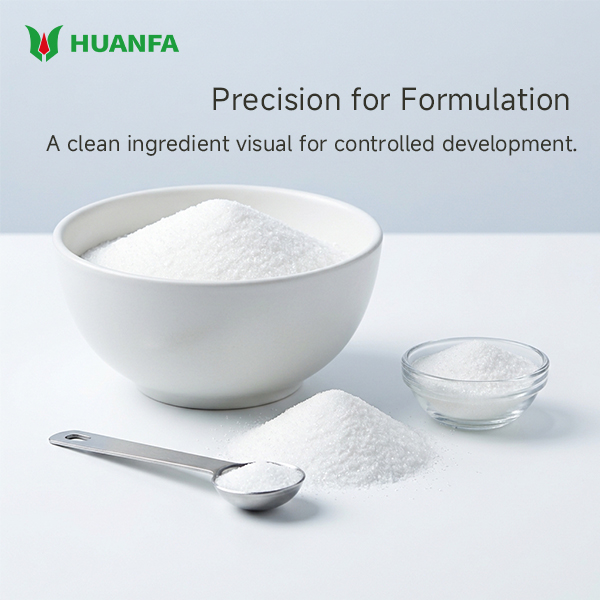
Isomalt has become a preferred sugar replacement because it solves several problems at once. Chemically, it is a disaccharide alcohol made from sucrose, but its structure gives it unique properties: a low glycemic index, negligible impact on blood glucose, and resistance to fermentation by oral bacteria, which supports tooth-friendly product claims. For confectionery manufacturers, Isomalt as sugar replacement provides excellent transparency, low stickiness, and minimal browning, making it ideal for hard candies, coated chewing gums, and sugar-free chocolates. Unlike some polyols, it has a very low hygroscopicity, so products remain stable in humid climates and require less protective packaging. In bakery applications, it adds bulk and texture without the sweetness of sucrose, allowing formulators to fine-tune flavor profiles. In pharmaceuticals, it is widely used in tablet coatings and syrups where sugar reduction and patient-friendly dosage forms matter. From a cultural and regulatory perspective, consumers in North America, Europe, the Middle East, and Asia increasingly read labels for sugar content, glycemic impact, and dental health. Isomalt as sugar replacement answers these expectations with a clean label story and reliable technical performance. Our 33-year heritage, integrated corn processing, and exports to more than 60 countries mean buyers receive consistent quality and expert support, whether they are launching a new sugar-free line or reformulating an existing one.
24
Sep
24
Sep
15
Sep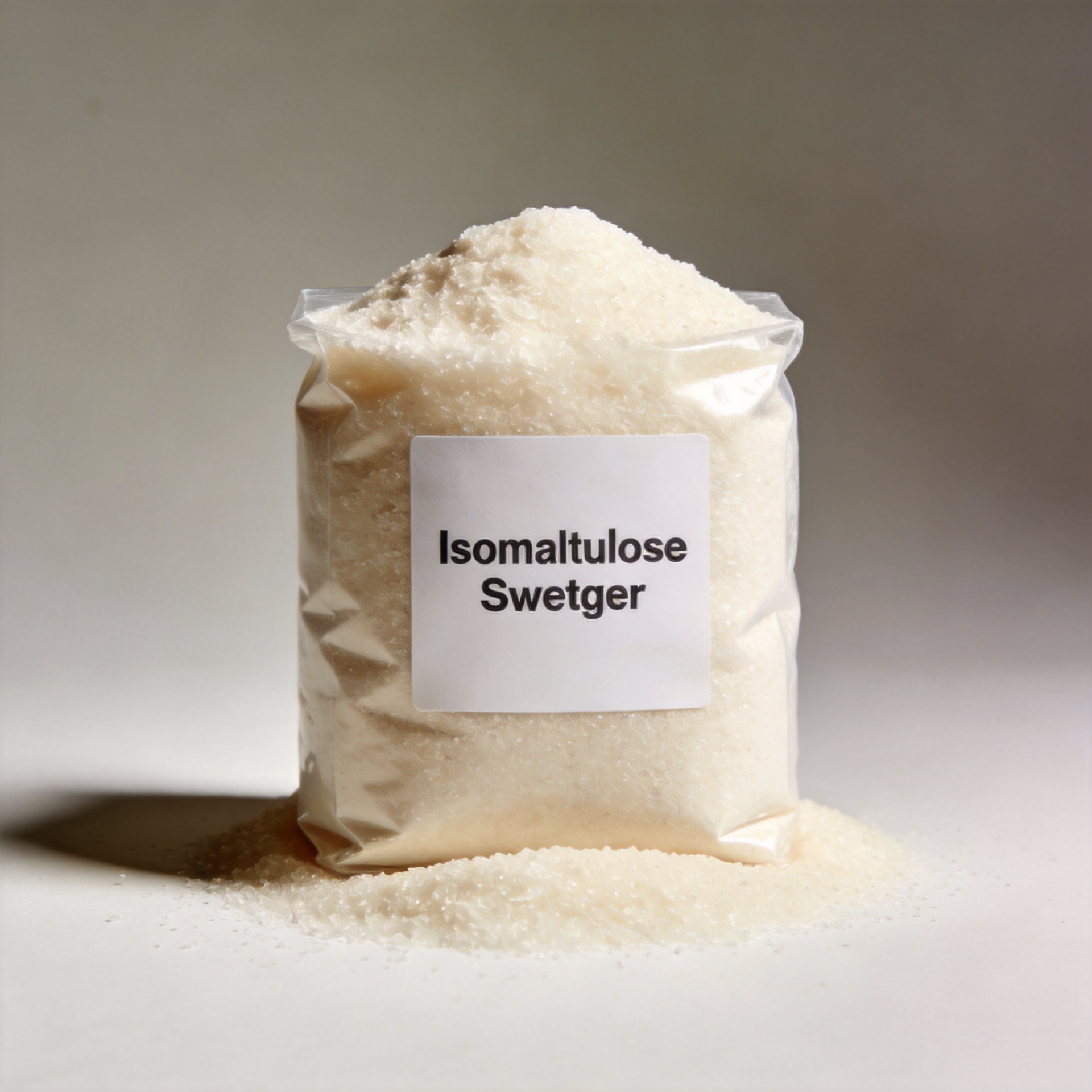
28
Sep