Huanfa's Isomalt ST30 — a USP/NF and EP-compliant sucrose-derived polyol (verified 98.3% GPM+GPS, calories ~2 kcal/g, 45–65% sucrose sweetness). Non-cariogenic, low glycemic, exceptionally low hygroscopicity and cooling effect. Ideal for sugar-free hard candy, cough drops, chocolate, chewing gum, and pharmaceutical coatings. 24-month shelf life. Global shipping from Guangdong, China.
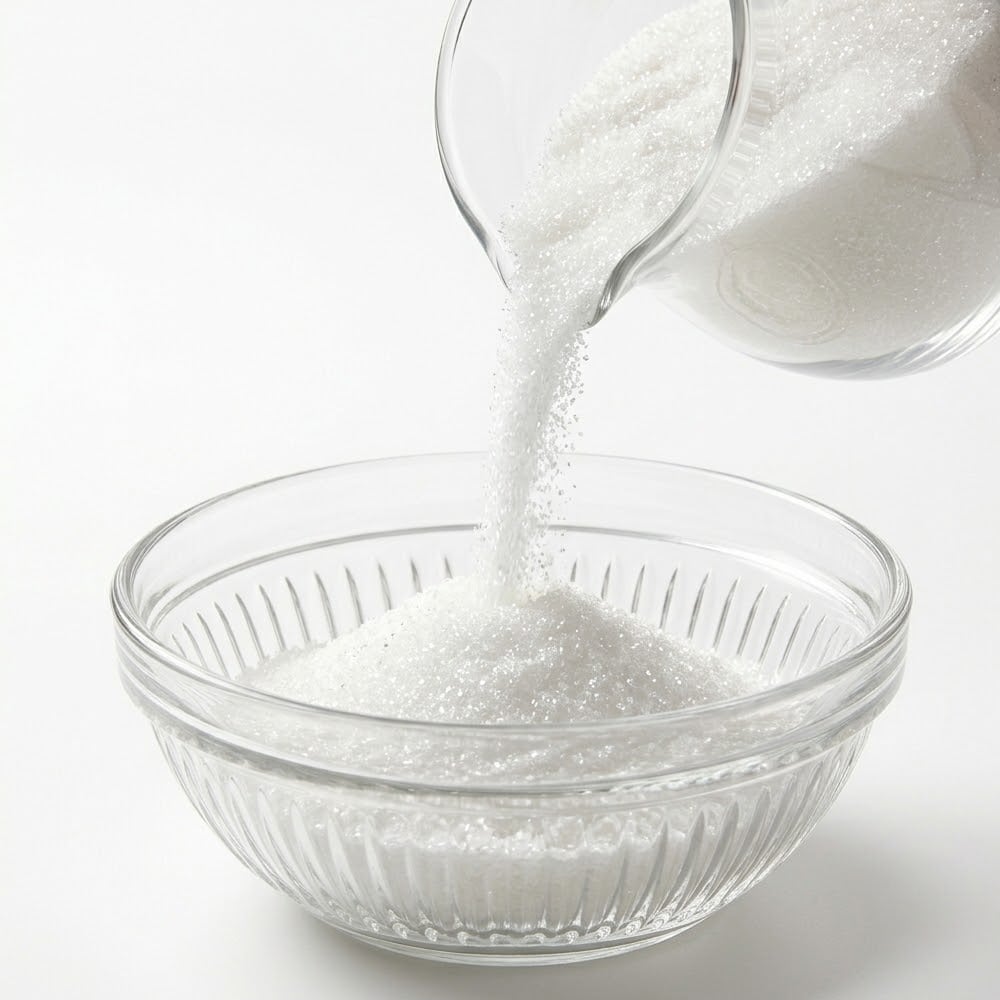
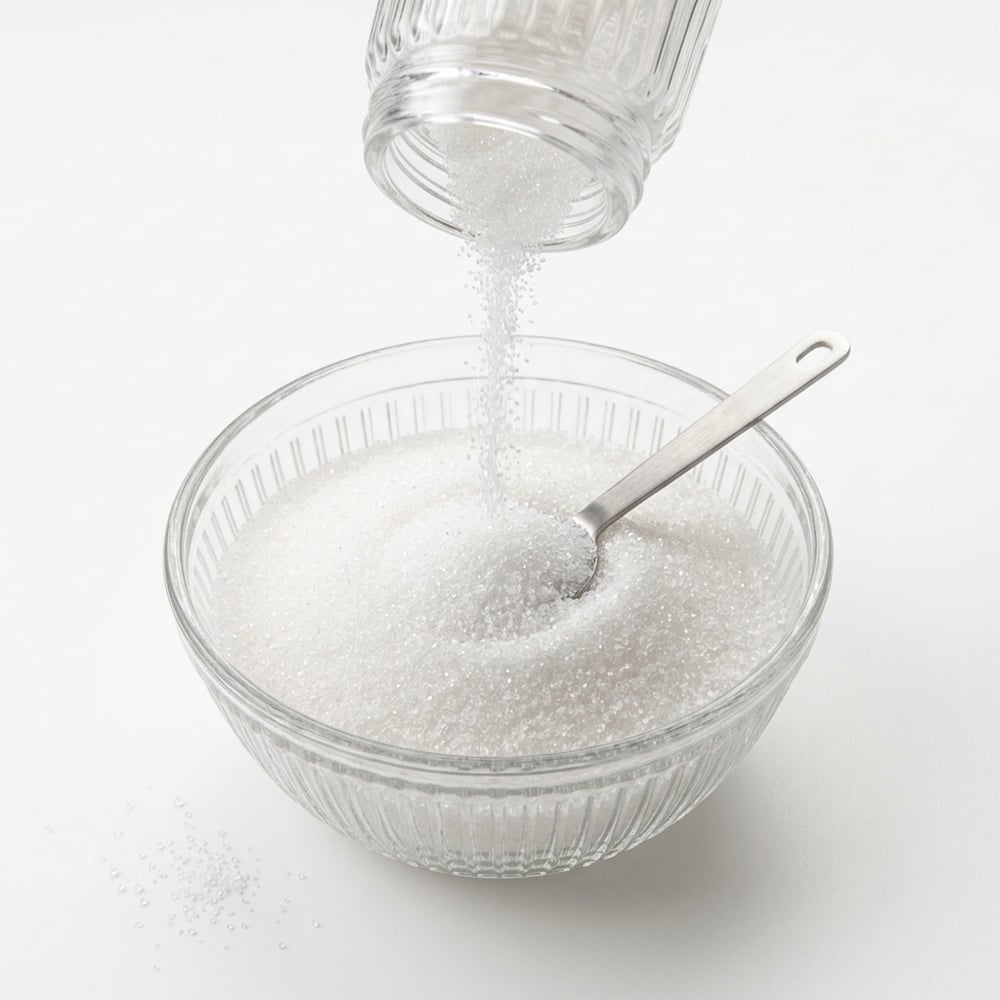
Isomalt ST30 is a white, odorless crystalline powder — but unlike every other polyol in Huanfa's portfolio, it is not derived from corn starch. Isomalt begins its life as sucrose (common table sugar), which is enzymatically rearranged into isomaltulose and then catalytically hydrogenated into a stable, non-reducing mixture of two stereoisomeric disaccharide polyols: 1,6-GPS (α-D-glucopyranosyl-1,6-D-sorbitol) and 1,1-GPM (α-D-glucopyranosyl-1,1-D-mannitol). Neither component is present at less than 3%, and together they account for ≥97% of the product — verified at 98.3% (Lot ST2603001, March 2026) and 99.9% (Lot ST2512017).
This sucrose origin gives isomalt a sensory profile distinct from every starch-derived polyol. Its sweetness — 45–65% of sucrose — is clean and neutral with no bitter or metallic aftertaste. Its calorific value — approximately 2 kcal/g (798 kJ/100g) — is half that of sugar. And it possesses a rare combination of properties that has made it the dominant polyol in the global sugar-free hard candy market: it is only slightly hygroscopic (resisting the moisture pickup that makes sorbitol candies sticky), it produces a negligible cooling effect (avoiding the sensory clash that limits sorbitol and mannitol in chocolate), and it masks the bitter aftertaste of high-intensity sweeteners — making it the ideal partner in polyol + HIS blended sweetener systems.
Available in three particle size grades — ST30 (coarse granules), ST80 (fine powder), and ST80/200 (extra-fine) — ST30 is the granular grade selected for melting and molding applications where controlled particle flow and dissolution are critical: sugar-free hard candy cooking, cough drop production, and confectionery panning. The coarser granulation reduces dust, flows freely, and dissolves at a predictable rate in the cooking syrup.
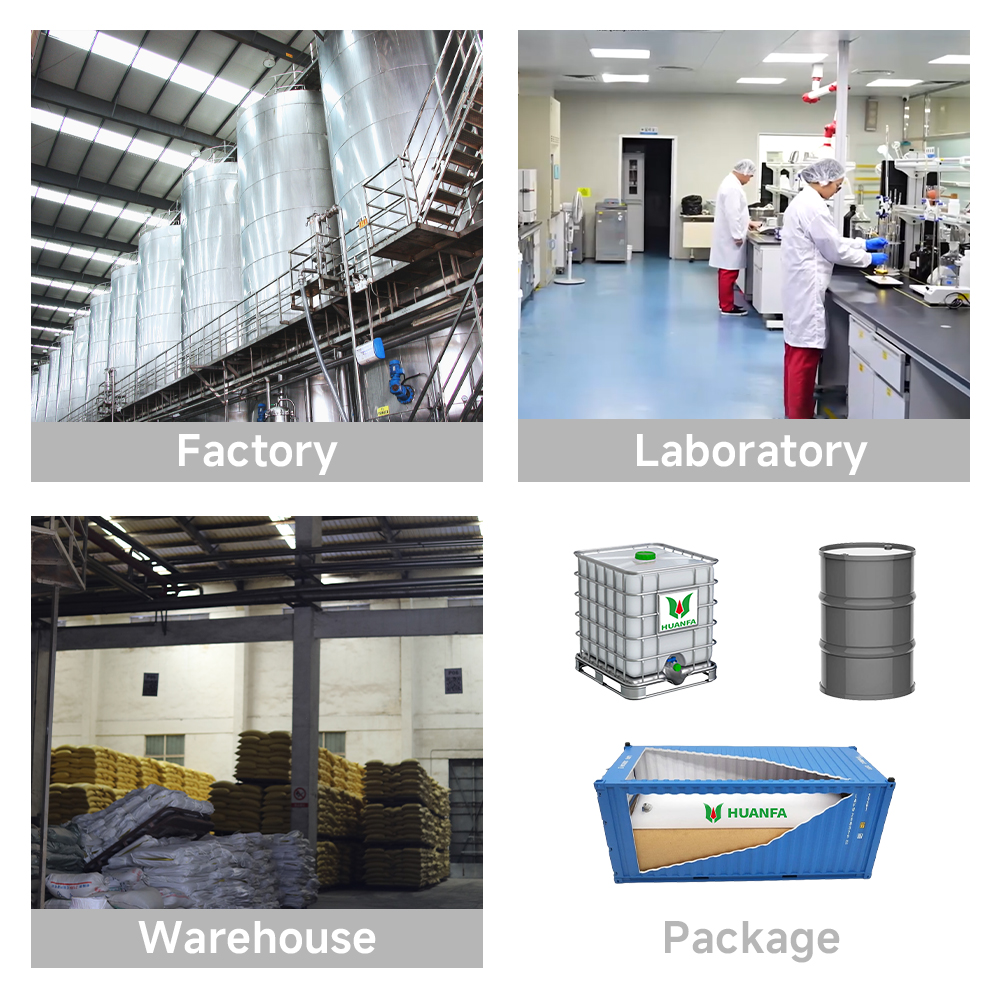
Huanfa manufactures isomalt under a pharmaceutical-quality system: USP/NF + EP dual-standard compliance, precision filtration of the isomalt liquid feedstock, controlled crystallization and granulation, drum and suspended-bed cooling, air-flow crushing, screening to the target particle size, three-stage metal control (tunnel metal detector CCP + metal separator OPRP2 + magnetic bar OPRP1), D-grade clean area packaging, and T1 + T2 dual-release authorization. A 24-month shelf life in sealed original packaging completes the quality picture.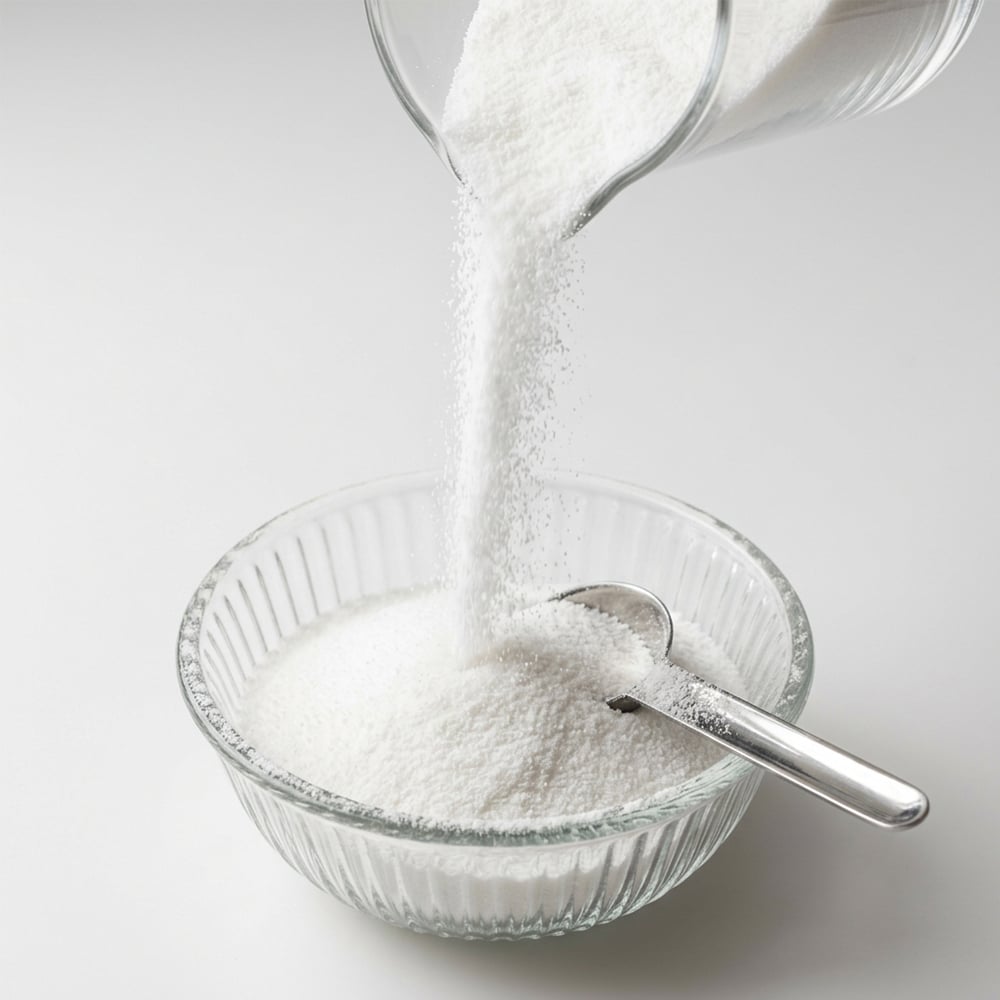
Why Source Isomalt ST30 from Huanfa?
1. Sucrose Pathway — Not Starch
Every other polyol in Huanfa's portfolio begins with corn starch. Isomalt begins with sucrose. This is not a minor process variation — it is a fundamentally different chemistry that produces a product with a fundamentally different sensory profile. Huanfa operates this distinct manufacturing chain within the same facility, with the same pharmaceutical-quality infrastructure.
2. ual Pharmacopoeia + National Standard
USP/NF + EP + QB/T 4486 — three independent standards verified on the same product. Supports pharmaceutical and food registrations across US, EU, and China markets.
3. Verified Purity — Two Independent Batches
• Lot ST2603001 (ST30, March 2026): Isomalt 98.3%, water 3.5%, reducing sugar 0.03%
• Lot ST2512017 (ST80, December 2025): Isomalt 99.9%, water 4.8%, reducing sugar 0.06%
Both demonstrate lot-to-lot consistency in purity profile across grade and production date.
4. Pharmaceutical Manufacturing Infrastructure
Three-stage metal detection (CCP + OPRP2 + OPRP1), D-grade clean area packaging, T1 + T2 dual-release authorization — the same pharmaceutical quality system applied to every Huanfa solid polyol.
5. Internationally Recognized Certifications
• USP/NF + EP Compliant
• QB/T 4486 — Premium Grade
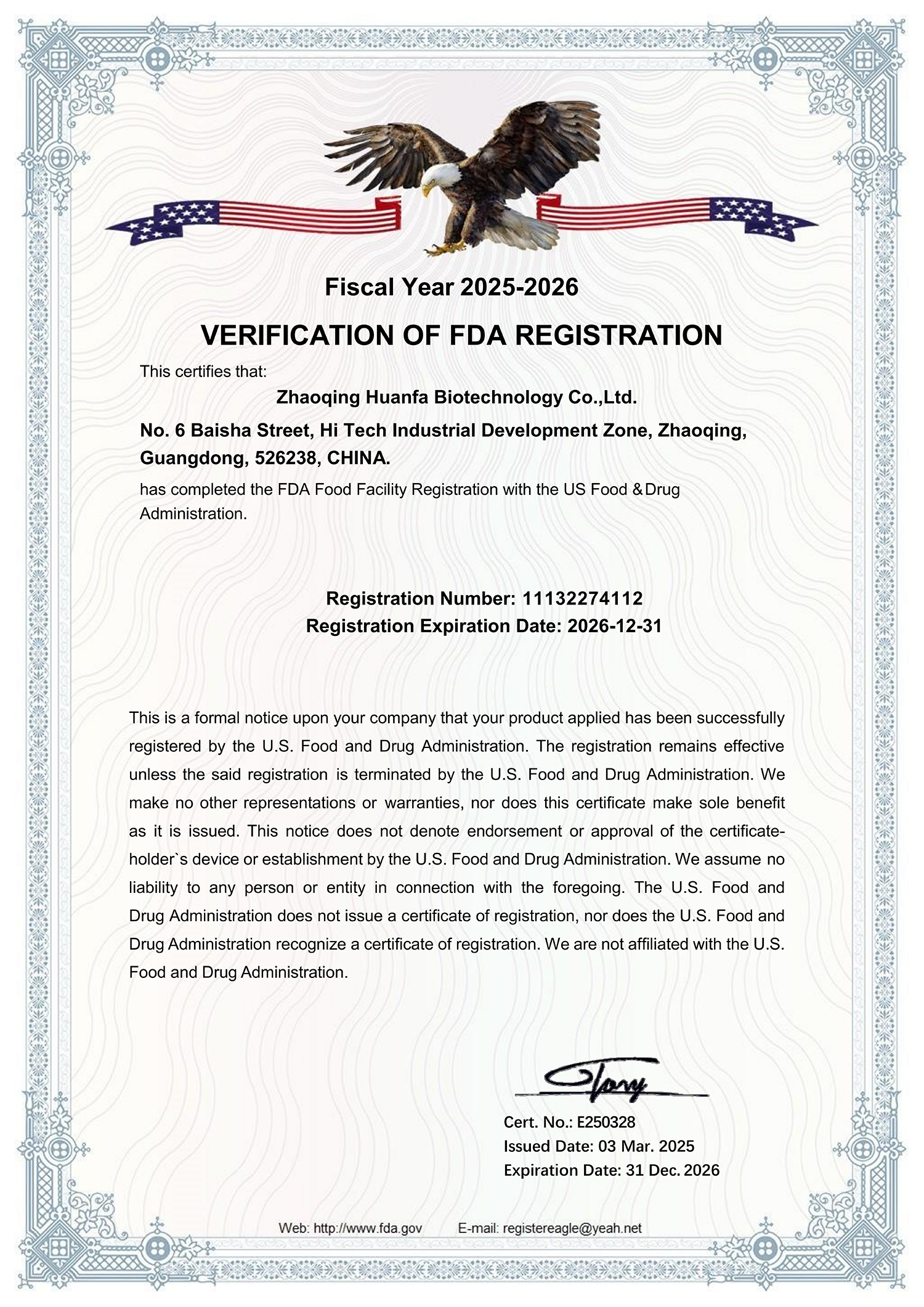
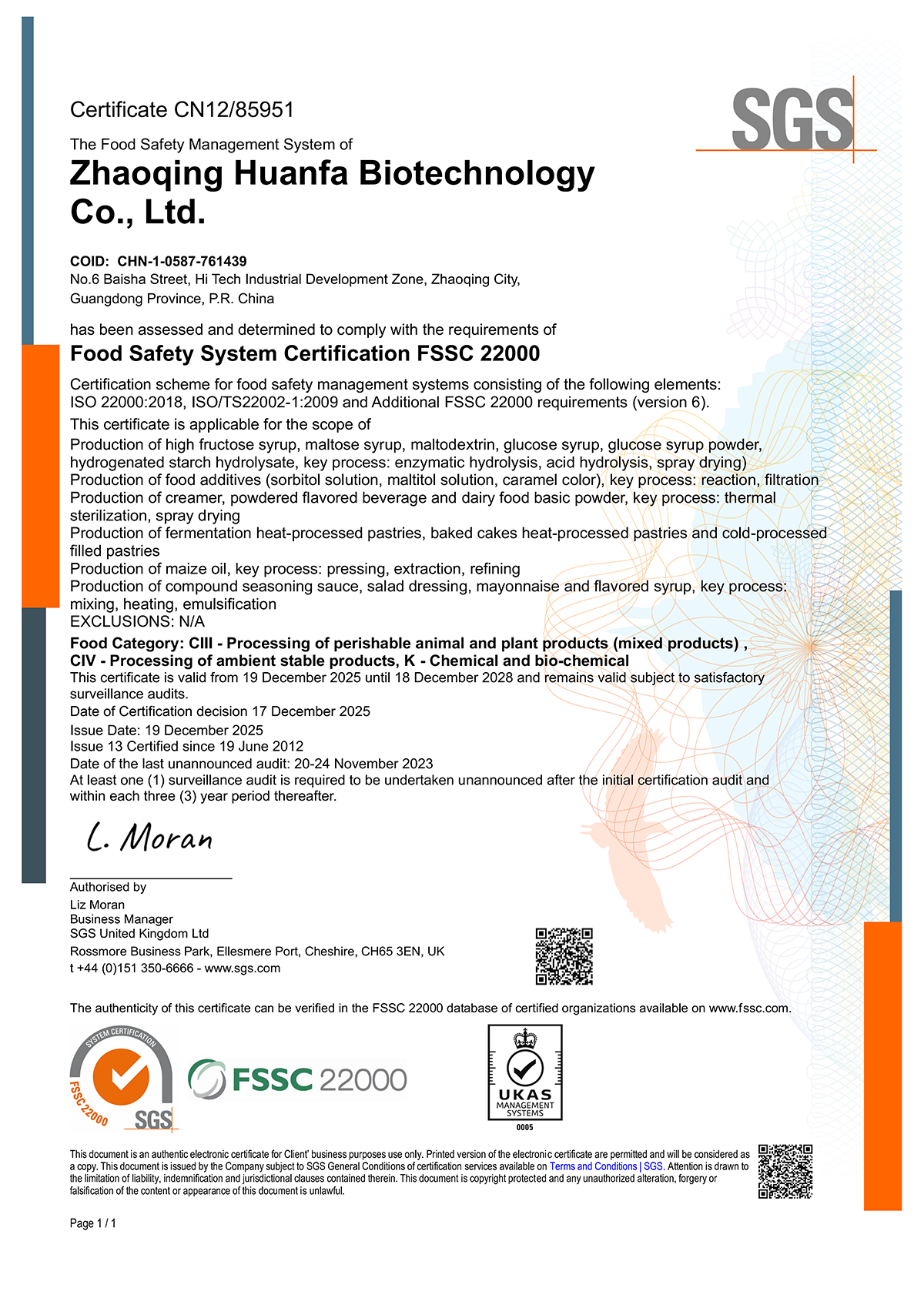
• FSSC 22000 / ISO 9001:2015 / ISO 14001:2015
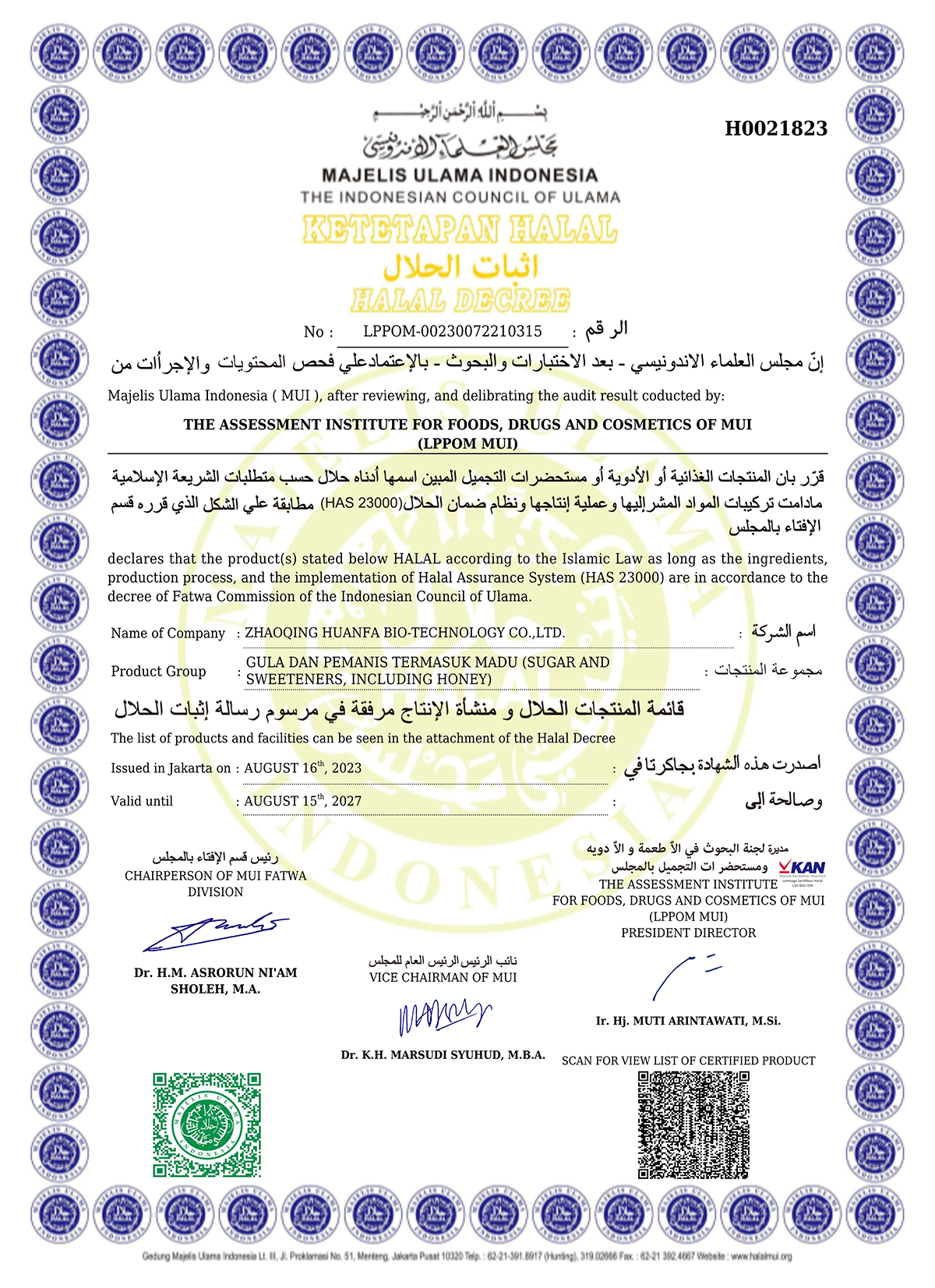
• Kosher + Halal Certified
• Non-GMO
6. Complete Documentation Package
Certificate of Analysis (bilingual Chinese/English), MSDS (English), nutritional declaration, specification sheets (USP/NF + EP), Kosher and Halal certificates.
7. Strategic Location & Logistics
Three hours from Guangzhou, Shenzhen, and Hong Kong ports — competitive ocean freight with weekly global sailings.
Exceptionally low hygroscopicity — the hard candy advantage:
• Isomalt absorbs far less atmospheric moisture than sorbitol or maltitol. Sugar-free hard candies made with isomalt remain clear, glossy, and non-sticky when exposed to ambient air — they do not need individual wrappers to prevent them from fusing into a single sticky mass. This is the property that made isomalt the dominant polyol in the global sugar-free hard candy market.
Low cooling effect — neutral mouthfeel:
• Isomalt's heat of dissolution (-39.4 kJ/kg) is the lowest among common polyols. It does not produce the cooling sensation that limits sorbitol and mannitol in chocolate, caramel, and other applications where warmth is part of the expected sensory experience.
Bitter-masking capability:
• Isomalt has a documented ability to suppress the bitter, metallic, and licorice-like aftertastes of high-intensity sweeteners (steviol glycosides, sucralose, acesulfame-K). This makes it the ideal bulk sweetener partner in polyol + HIS blended systems — delivering the bulk, body, and mouthfeel of sugar while the HIS provides the sweetness boost.
Half the calories of sugar:
• At approximately 2.0 kcal/g, isomalt delivers a 50% calorie reduction versus sucrose — supporting "reduced-calorie" and "light" product claims.
Non-cariogenic and tooth-friendly:
• Isomalt is not fermented by oral bacteria into enamel-demineralizing acids. Products sweetened with isomalt qualify for "tooth-friendly" labeling under FDA and EU health claim frameworks.
Excellent thermal and chemical stability:
• Isomalt withstands the high cooking temperatures of hard candy production (160–170°C) without degradation, caramelization, or color development. It is stable across the pH range encountered in confectionery and food processing.
Sucrose-like crystallization behavior:
• In hard candy, isomalt crystallizes (or remains amorphous, depending on processing) in patterns that produce the desired glassy clarity, snap, and mouthfeel — without the cold flow or graining that can affect other polyols.
Non-hazardous:
• Per MSDS: non-dangerous, non-irritant, non-corrosive, non-flammable. CAS: 64519-82-0. No special handling beyond standard good warehouse practice. No heavy metal contamination.
Dual-standard compliance: USP/NF + EP + QB/T 4486. Verified per COA Lot ST2603001 (March 2026).
| Parameter | EP Standard | USP/NF Standard | QB/T 4486 | Verified (ST2603001) |
| CAS Number | 64519-82-0 | 64519-82-0 | — | — |
| Molecular Formula | C₁₂H₂₄O₁₁ | C₁₂H₂₄O₁₁ | — | — |
| Appearance | White or almost white powder or granules | White crystalline particles or powder; sweet taste; no smell | White crystalline particles or powder | White granules — Pass |
| Taste | — | Sweet | Sweet; no off-taste | Sweet — Pass |
| Solubility | Freely soluble in water; practically insoluble in anhydrous ethanol | — | 38.4% at 25°C; 78.2% at 40°C | — |
| Identification | HPLC — 2 principal peaks match; Pyrocatechol test → pink | TLC spots match; HPLC retention times match | — | — |
| Isomalt Content (GPM+GPS, dry basis) | 98.0–102.0% | 97.0–102.0% | ≥ 97.0% | 98.30% |
| D-Mannitol Content | ≤ 0.5% | ≤ 0.5% | ≤ 2.0% (Sorbitol + Mannitol) | 0.20% |
| D-Sorbitol Content | ≤ 0.5% | ≤ 0.5% | ≤ 2.0% (Sorbitol + Mannitol) | (included above) |
| Any Unknown Impurity | ≤ 0.5% | ≤ 0.5% | — | — |
| Total Impurities | ≤ 2.0% | ≤ 2.0% | — | — |
| Water Content | ≤ 7.0% | ≤ 7.0% | ≤ 7.0% | 3.50% |
| Reducing Sugar (as glucose) | ≤ 0.3% | ≤ 0.3% | ≤ 0.3% | 0.03% |
| Conductivity | ≤ 20 μS/cm | ≤ 20 μS/cm | — | — |
| Residue on Ignition | — | — | ≤ 0.1% | 0.04% |
| Nickel (Ni) | — | ≤ 1 ppm | ≤ 1 mg/kg | — |
| Lead (Pb) | — | — | ≤ 0.5 mg/kg | — |
| Arsenic (As) | — | — | ≤ 0.5 mg/kg | — |
| Shelf Life | 24 months | 24 months | 24 months | — |
| Packaging | 25 kg/bag | 25 kg/bag | 25 kg/bag | — |
Nutritional Profile (per 100g)
| Nutrient | Value | NRV% | Source |
| Energy | 798 kJ (190 kcal) | 10% | Theoretical |
| Protein | 0 g | 0% | Theoretical |
| Fat | 0 g | 0% | Theoretical |
| Carbohydrate (as sugar alcohol) | 95.0 g | 32% | Theoretical |
| Sodium | 0 mg | 0% | Theoretical |
What Makes Isomalt Different — Sensory Profile Comparison
Isomalt is the polyol that most closely mimics sugar's physical behavior in hard candy — but not because of its sweetness. It is because of what it does NOT do:
| Property | Isomalt | Sorbitol | Maltitol | Why It Matters |
| Hygroscopicity | Slightly hygroscopic | Moderately hygroscopic | Hygroscopic | Hard candy stays clear, dry, and non-sticky in ambient air — no wrapper required |
| Cooling effect | Very low (~-39 kJ/kg) | Moderate | None | Can be used in chocolate without sensory clash |
| Sweetness | 45–65% of sucrose | 60% | 90% | Moderate sweetness; pairs well with HIS |
| Calories | ~2.0 kcal/g | 2.6 kcal/g | 2.1 kcal/g | Half the calories of sugar |
| Solubility (25°C) | 38.40% | ~70% | Very soluble | Controlled dissolution in candy cooking |
| Bitter-masking | Yes | No | No | Masks stevia/sucralose aftertaste in blended sweetener systems |
| Non-cariogenic | Yes | Yes | Yes | Tooth-friendly claims |
| Glycemic response | Low | Very low | ~36 | Diabetic-friendly |
Manufacturing Process
Isomalt's production is chemically distinct from every other Huanfa polyol — it begins with sucrose, not starch.
Sucrose → Enzymatic Isomerization → Isomaltulose
→ Catalytic Hydrogenation → Isomalt Liquid (GPM + GPS Mixture)
→ Precision Filtration → Single-Effect Evaporation Concentration
→ Controlled Crystallization & Granulation
→ Drum Cooling → Suspended Bed Cooling
→ Pulverization → Air Flow Crushing → Screening (ST30 Grade)
→ Finished Product Tanks → Packaging
→ Tunnel-Type Metal Detector (CCP)
→ Metal Separator (OPRP2) → Magnetic Bar (OPRP1)
→ T1 Material Release → T2 Finished Product Release
→ D-Grade Clean Area Packaging
Shelf Life & Storage
| Parameter | Detail |
| Shelf Life | 24 months in sealed original packaging |
| Storage Conditions | Dry, well-ventilated warehouse; free from insects and rodents; not mixed with toxic or harmful substances |
| Moisture Sensitivity | Slightly hygroscopic — keep bags sealed when not in use |
Packaging Options
| Package Type | Net Weight | Suited For |
| Multi-wall kraft paper bag with PE inner liner — Standard | 25 kg | Pharmaceutical and food manufacturing |
| Palletized, stretch-wrapped | 25 kg × 40 bags/pallet | Containerized shipping |
| Custom / private-label | Per inquiry | OEM and distributor formats |
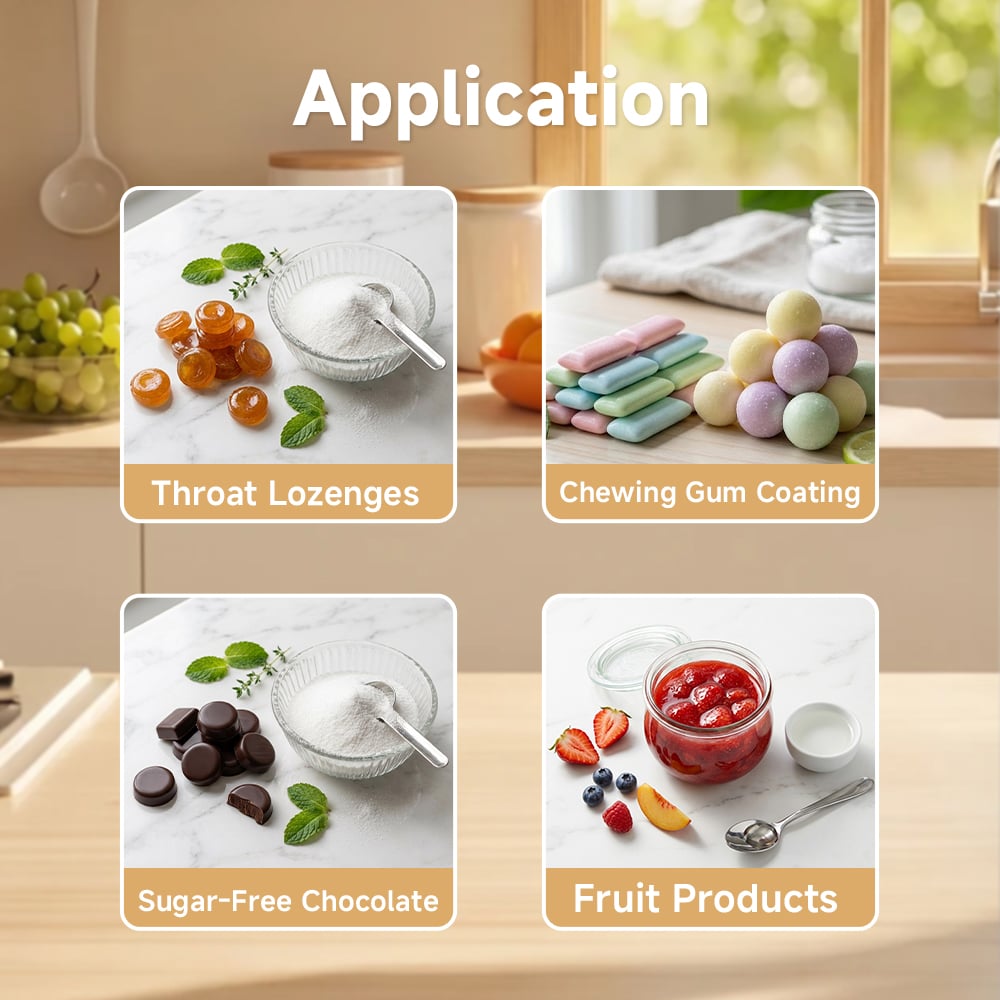
1. Sugar-Free Hard Candy — The Defining Application
Isomalt is the reference polyol for sugar-free hard candy. The reasons are not about sweetness — they are about physics:
Non-hygroscopic clarity:Sorbitol hard candies absorb moisture from the air, becoming sticky, cloudy, and eventually fusing together. Isomalt hard candies stay clear, dry, and free-flowing — they can be packaged in bulk without individual wrappers, reducing packaging cost and environmental footprint.
High-temperature stability:Isomalt withstands cooking to 160–170°C without caramelization, color development, or degradation — enabling the same manufacturing process as sugar-based hard candy with minimal equipment modification.
Excellent glass formation:The cooked isomalt melt cools into a transparent, non-crystalline glass with a clean snap and smooth mouthfeel — indistinguishable from sugar-based hard candy in blind texture tests.
No cold flow:Unlike sorbitol-based hard candies that can slowly deform under their own weight (cold flow), isomalt retains its molded shape indefinitely at ambient temperature.
2. Cough Drops & Medicated Lozenges
Non-cariogenic for frequent use:Cough drops are consumed repeatedly throughout the day — sugar's dental impact at this frequency is clinically significant. Isomalt eliminates this concern while delivering the same sensory experience.
Flavor compatibility:The neutral sweetness and low cooling effect allow medicinal flavors (menthol, eucalyptus, honey-lemon) to project without interference from the sweetener system.
3. Sugar-Free Chocolate
Low cooling effect = no sensory clash:Unlike sorbitol and mannitol, isomalt does not produce a cooling sensation that disrupts chocolate's warm, slow-melting mouthfeel. Combined with its moderate sweetness and half-calorie profile, isomalt is a preferred polyol for reduced-calorie chocolate.
Anti-bloom properties:Isomalt's low hygroscopicity helps prevent sugar bloom — the surface discoloration that mars the appearance of sugar-free chocolate during storage.
4. Chewing Gum Coating
Hard coating shell:Isomalt produces a crisp, hard coating on sugar-free gum pellets with excellent crunch and dissolution characteristics. Its low hygroscopicity keeps the coating dry and stable through packaging and shelf storage.
Non-cariogenic positioning:Supports "tooth-friendly" health claims.
5. Pharmaceutical Coatings & Excipients
Tablet film coating:Isomalt can be used as a coating agent for pharmaceutical tablets, providing a smooth, glossy finish with mild sweetness that improves swallowability.
Sugar-free liquid orals:Isomalt's solubility profile and neutral taste make it suitable for sugar-free syrup and suspension vehicles.
6. Bakery, Desserts & Other Food Applications
Low-calorie baked goods:Isomalt provides bulk, sweetness, and humectancy in sugar-free and reduced-calorie cookies, cakes, and pastries.
Compressed tablets & mints:Direct-compression performance for sugar-free compressed mints and candy tablets.
Jams, jellies & fruit preparations:Contributes sweetness and body to sugar-free preserves.
Frozen desserts:Lowers freezing point while contributing moderate sweetness.
Tabletop sweeteners:Combined with HIS in granulated, tablet, and powder sugar-substitute products — where isomalt provides bulk and the HIS provides sweetness.
Applications at a Glance
| Application | Why Isomalt | ST30 Advantage |
| Sugar-Free Hard Candy | Non-hygroscopic; clear glass; no cold flow; no wrapper needed | Granular form — controlled melting |
| Cough Drops & Lozenges | Non-cariogenic for frequent daily use | Consistent particle size |
| Sugar-Free Chocolate | No cooling effect; anti-bloom; 2 kcal/g | Coarse granules — controlled dissolution |
| Chewing Gum Coating | Hard, crisp shell; low hygroscopicity | Free-flowing for coating pans |
| Pharma Tablet Coating | Smooth finish; mild sweetness; USP/NF + EP | Granular — reduced dust |
| Polyol + HIS Blends | Bitter-masking; bulk and body carrier | Uniform blending with HIS powders |
Q: How is isomalt different from maltitol?
A: Isomalt is made from sucrose; maltitol is made from starch. Isomalt has lower sweetness (45–65% vs 90%), lower hygroscopicity (critical for hard candy), and a subtle bitter-masking effect that maltitol lacks. Isomalt is preferred for hard candy; maltitol is preferred for chocolate where full sucrose sweetness is needed.
Q: What do the particle size grades mean — ST30, ST80, ST80/200?
A: ST30 is a coarser granular grade for melting/molding applications. ST80 is a fine powder for dry blending and direct compression. ST80/200 is an extra-fine grade for specialized applications. If you are cooking hard candy, choose ST30. If you are dry blending, choose ST80.
Q: Is isomalt less sweet than sugar? How do I compensate?
A: Isomalt delivers 45–65% of sucrose's sweetness. The most common approach is to blend isomalt with a high-intensity sweetener (stevia, sucralose, acesulfame-K) — where isomalt provides bulk and the HIS provides additional sweetness. Isomalt's bitter-masking property actively suppresses HIS aftertastes, making these blends taste cleaner than HIS + other polyol combinations.
Q: Can isomalt be used in chocolate?
A: Yes — its low cooling effect makes it more compatible with chocolate than sorbitol or mannitol. However, for premium sugar-free chocolate where the goal is indistinguishability from sugar-sweetened chocolate, maltitol's 90% sweetness and zero cooling effect make it the preferred choice. Isomalt is an excellent option for reduced-calorie chocolate where some sweetness reduction is acceptable.
Q: Is isomalt non-cariogenic?
A: Yes. Isomalt is not fermented by oral bacteria and does not promote tooth decay. It qualifies for "tooth-friendly" claims under relevant regulatory frameworks.
Q: What is the shelf life, MOQ, and packaging?
A: Shelf life: 24 months. MOQ: 1,000 kg trial, ~18–20 MT per container commercial. Packaging: 25 kg multi-wall kraft paper bags with PE inner liner.

 EN
EN