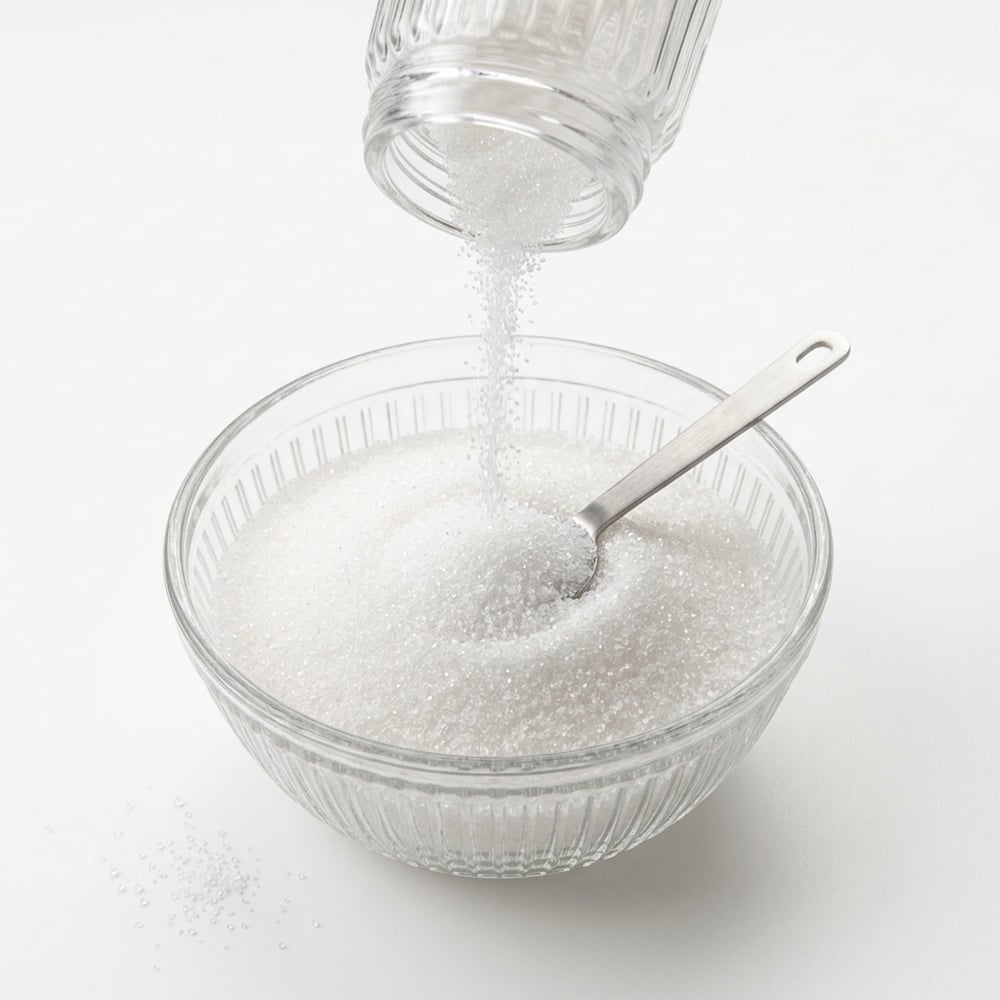
Huanfa Pharmaceutical's Crystalline Sorbitol Mesh 60 (Grade H60) — a fine-particle (~250μm) USP/NF and EP-compliant pharmaceutical-grade D-sorbitol powder (≥97% assay, ≤1.5% water, ≤0.2% reducing sugar). Optimized for rapid dissolution, wet granulation, fine dry blending with APIs, and vitamin C fermentation. Dual-release pharmaceutical quality system with metal detection CCP. 0% US import tariff. Global shipping from Guangdong, China.
Crystalline Sorbitol Mesh 60 (Grade H60) is a fine-particle (~250 μm) pharmaceutical-grade white crystalline powder manufactured by Guangdong Huanfa Pharmaceutical Co., Ltd. It shares the same corn-to-crystal manufacturing process, the same USP/NF and EP dual-standard compliance, and the same three-stage metal detection and dual-release quality system as Huanfa's H20 grade — but its finer particle size unlocks a fundamentally different set of formulation and process capabilities.
Where H20 excels at flowing freely into tablet dies at high speed, H60 excels at dissolving rapidly, blending intimately with fine active pharmaceutical ingredients (APIs), and forming robust granules in wet granulation processes. The finer particle size means greater surface area per gram — roughly three times that of H20 — which translates directly to faster dissolution, more uniform distribution in multi-component dry blends, and better binder uptake during wet massing.
H60 is the grade pharmaceutical formulators choose when the process dictates the powder, not the other way around: wet granulation tablet lines, rapid-dissolve oral dosage forms, effervescent powders requiring instant dispersion, and fine dry blends where segregation of a coarse excipient from micronized APIs would compromise content uniformity. It is also the preferred crystalline sorbitol for vitamin C fermentation — where dissolving large quantities of sorbitol is the first process step, and H60's fast dissolution directly reduces batch cycle time.
Manufactured under the same pharmaceutical quality system as H20 — dual-standard USP/NF + EP compliance, three-stage metal control (CCP + OPRP2 + OPRP1), T1 + T2 dual-release authorization, and D-grade clean area packaging — H60 is the fine-particle complement to H20 in Huanfa's crystalline sorbitol portfolio. Together, the two grades ensure that whatever your process demands, Huanfa has a pharmaceutical-grade crystalline sorbitol engineered to match.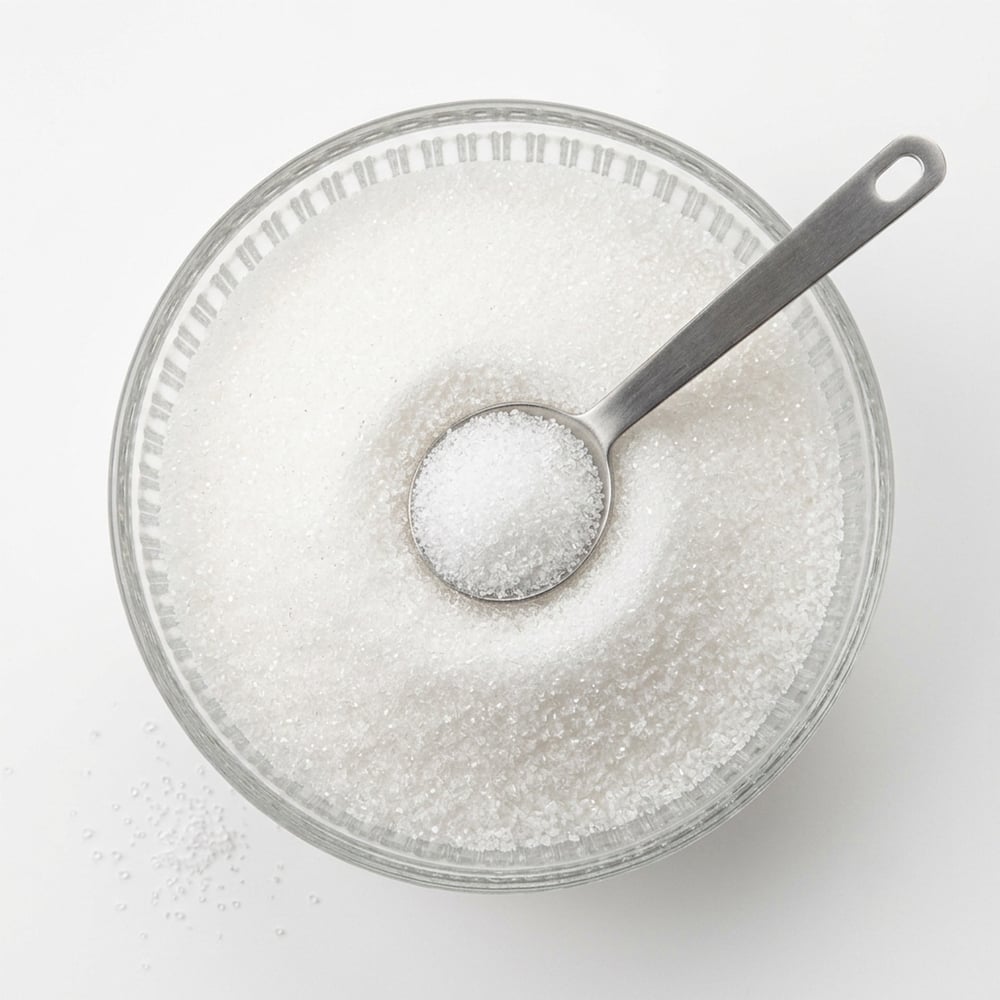
Manufacturing Process
H60 follows the identical pharmaceutical manufacturing chain as H20, with one critical difference — the milling step uses air-flow crushing to achieve the finer Mesh 60 particle size. Everything upstream (hydrogenation, refining, crystallization) and downstream (metal detection, dual release, clean area packaging) is identical.
Corn Starch → Enzymatic Hydrolysis → Glucose
→ Catalytic Hydrogenation → Crude Sorbitol Solution
→ Multi-Stage Ion-Exchange Refining → High-Purity Sorbitol Solution
→ Controlled Crystallization & Granulation
→ Drum Cooling → Suspended Bed Cooling
→ Pulverization → Air Flow Crushing → Screening (Mesh 60)
→ Finished Product Tanks → Packaging
→ Tunnel-Type Metal Detector (CCP)
→ Metal Separator (OPRP2) → Magnetic Bar (OPRP1)
→ T1 Material Release → T2 Finished Product Release
→ D-Grade Clean Area Packaging
Why Source Crystalline Sorbitol H60 from Huanfa Pharmaceutical?
1. Pharmaceutical Manufacturing — Same Facility, Same System as H20
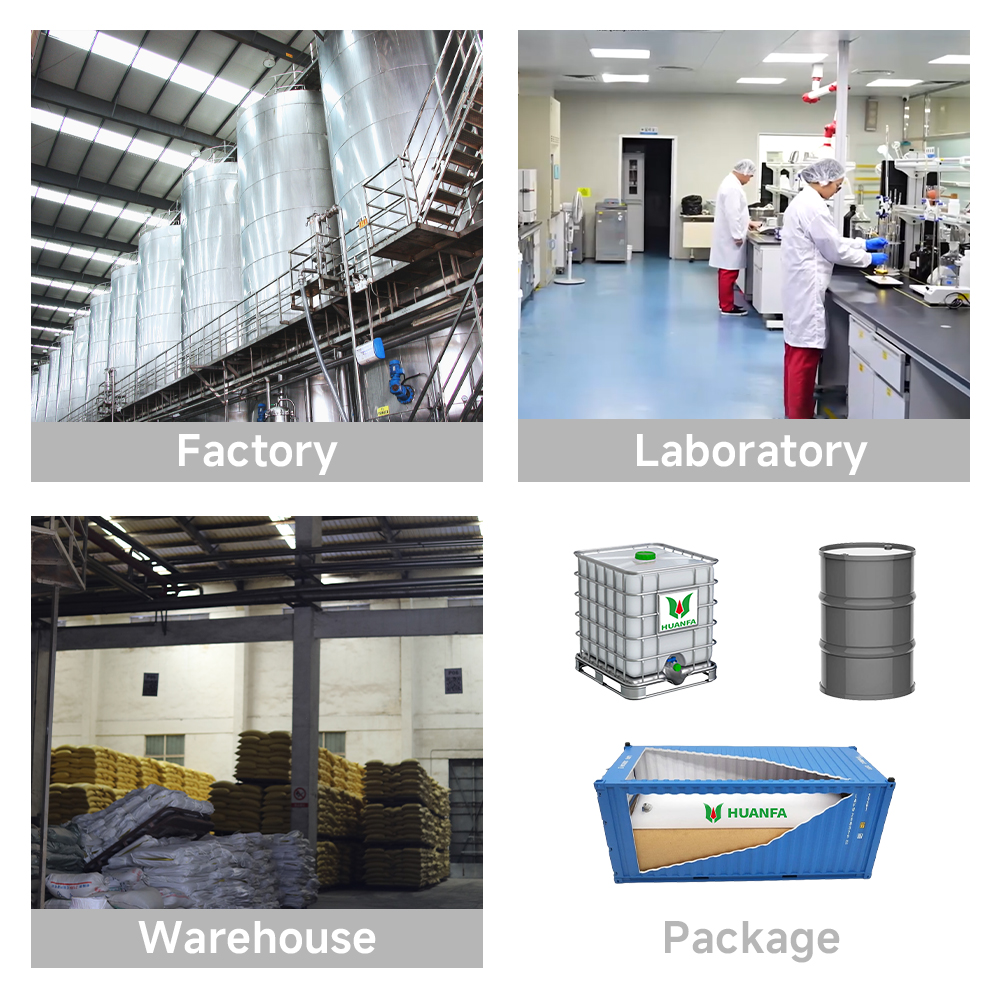
H60 is manufactured on the same pharmaceutical production lines, under the same quality system, by the same team as H20. The three-stage metal detection (CCP + OPRP2 + OPRP1), T1 + T2 dual-release authorization, and D-grade clean area packaging apply equally to both grades. The only process difference is the milling step — air-flow crushing to achieve Mesh 60 versus the coarser milling for Mesh 20.
2. Dual Pharmacopoeia Compliance — One Excipient, Two Filings
USP/NF + EP simultaneous compliance means one sorbitol excipient supports both your FDA ANDA and EMA MAA submissions. No need to qualify separate suppliers for different jurisdictions, no need to manage two specifications for what is functionally the same excipient in different particle sizes.
3. 0% US Import Tariff
Sorbitol carries a 0% MFN duty rate under HTS 2905.44 — a permanent structural cost advantage that no trade negotiation or exemption can replicate.
4. Both Grades from One Supplier — Simplified Procurement
Pharmaceutical manufacturers frequently require both coarse (H20) and fine (H60) sorbitol for different products in their portfolio. Sourcing both from Huanfa means one supplier qualification audit, one quality agreement, one regulatory documentation package, one commercial relationship — and the operational simplicity of split container loads when both grades are needed.
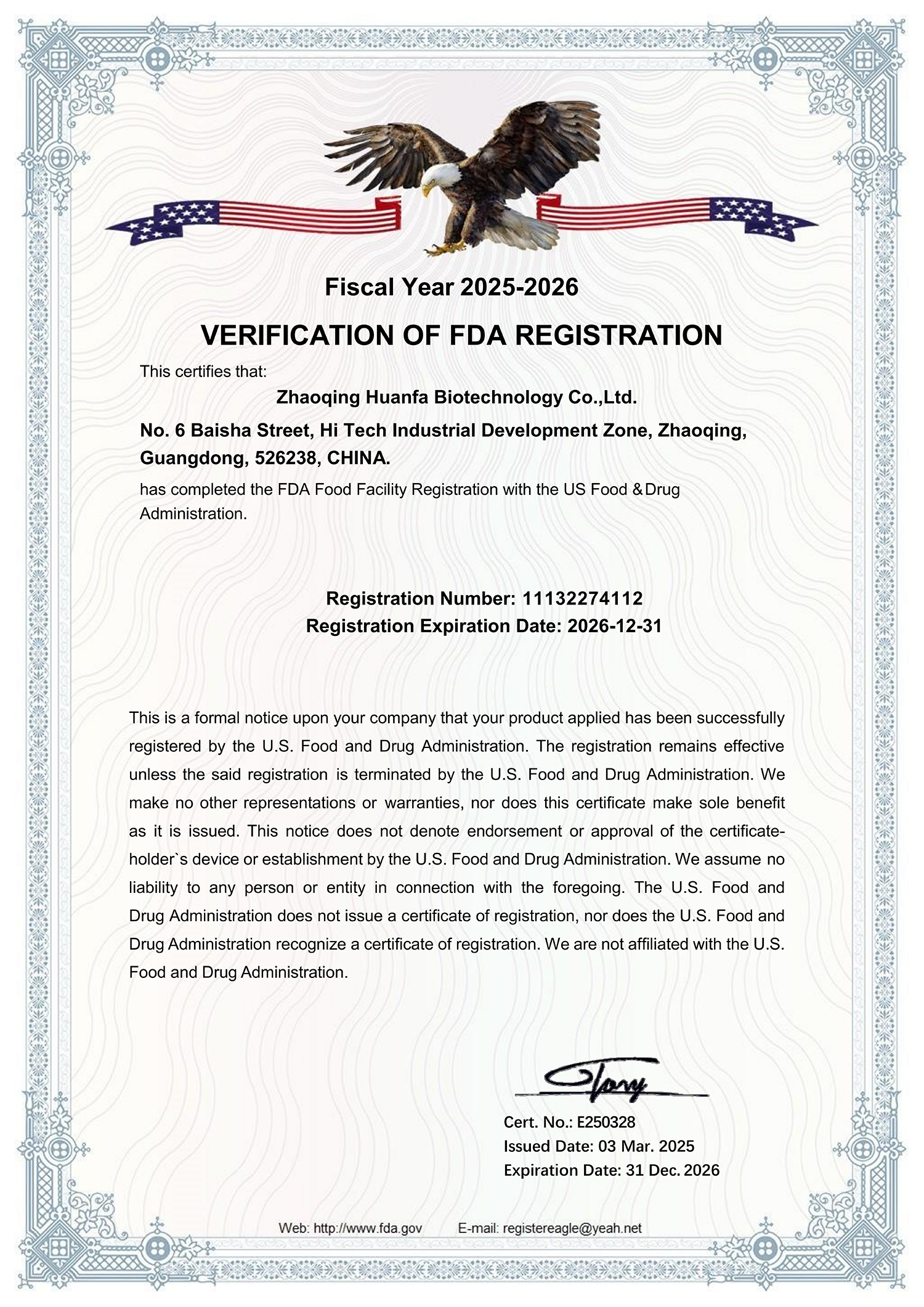
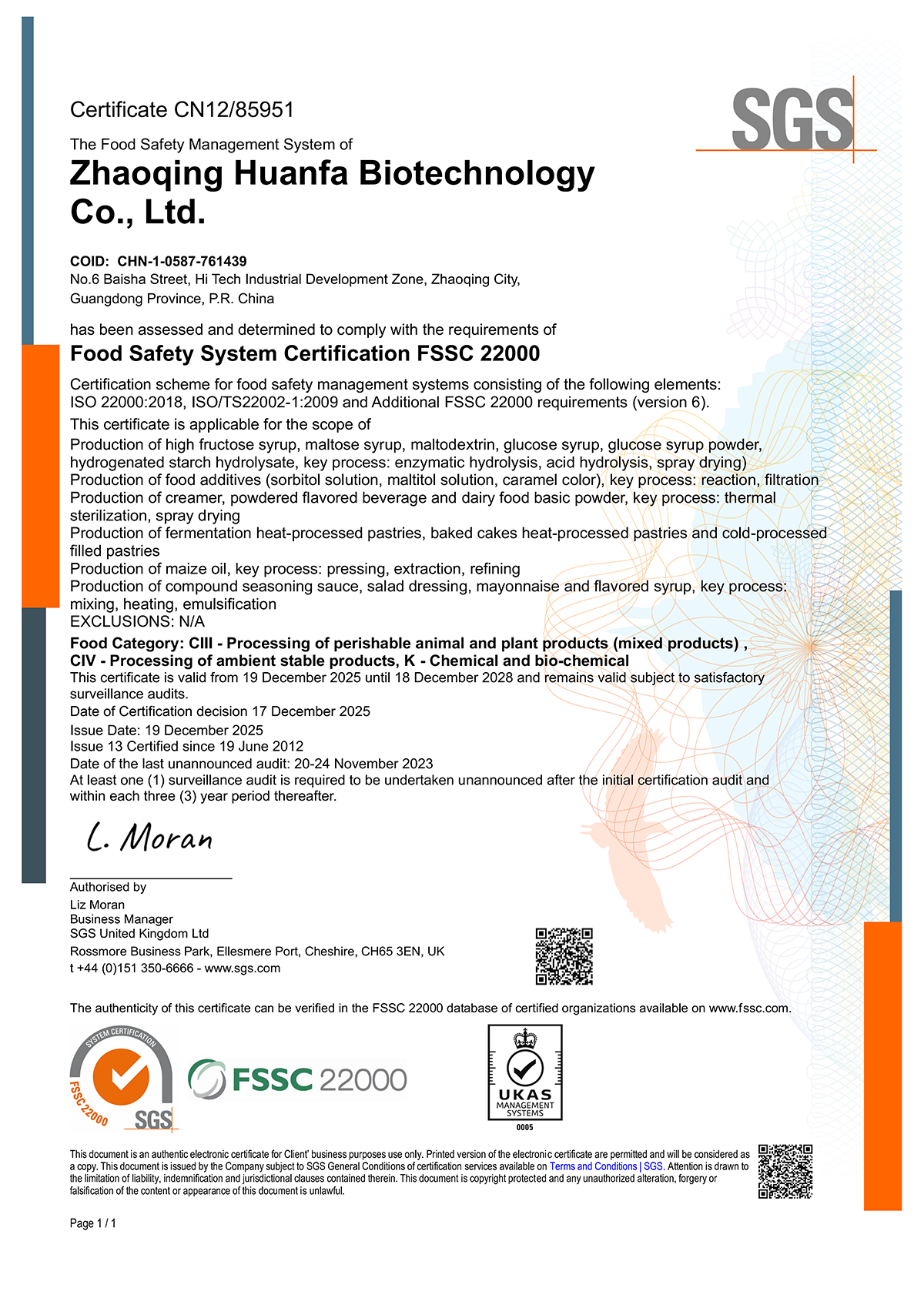
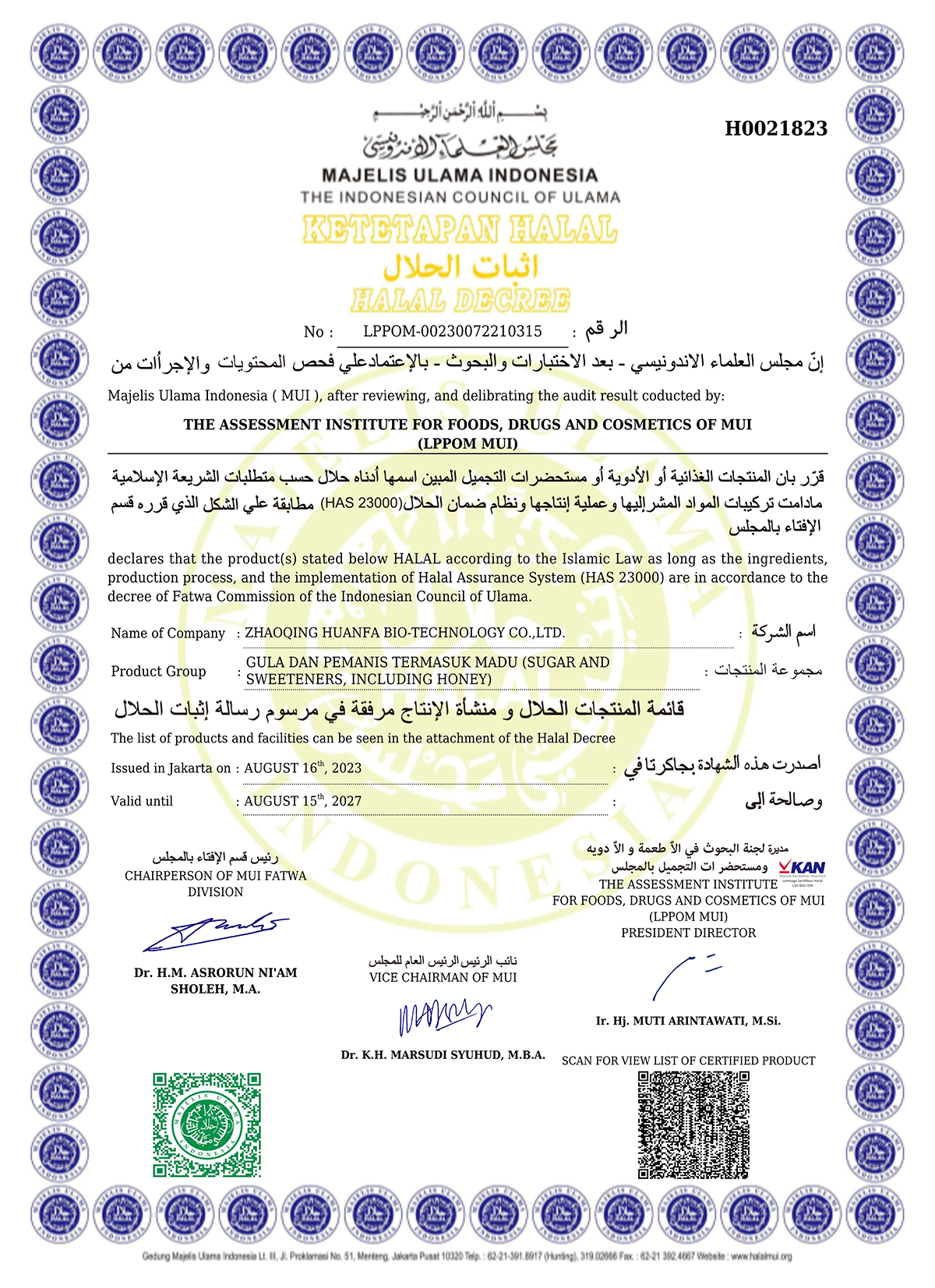
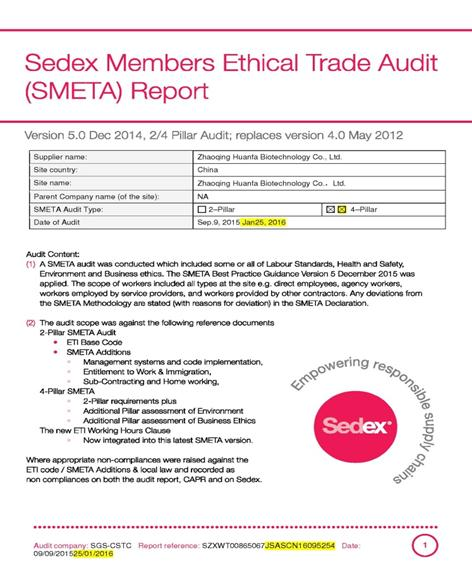
5. Internationally Recognized Certifications
USP/NF + EP Compliant — Verified to both pharmacopoeias
FSSC 22000 — GFSI-benchmarked food safety system
ISO 9001:2015 — Quality management system
ISO 14001:2015 — Environmental management system
Kosher + Halal Certified — Global market access
Non-GMO — Verified non-GMO corn starch feedstock
6. DMF & Regulatory Support
DMF authorization letters, batch data for endotoxin risk assessments, and health authority query responses are available to qualified pharmaceutical customers.
7. Strategic Location & Logistics
Three hours from Guangzhou, Shenzhen, and Hong Kong ports — competitive ocean freight to all major markets with bagged palletized container shipping.
Rapid dissolution — the defining H60 advantage: With approximately three times the specific surface area of H20, H60 sorbitol powder wets and dissolves significantly faster in aqueous systems. For vitamin C fermentation, where dissolving multi-ton quantities of sorbitol is the rate-limiting first step, this dissolution speed directly shortens batch cycle time. For effervescent powders, it means the consumer experiences near-instant dispersion rather than waiting for granules to dissolve.
Superior dry blend homogeneity with fine APIs: When sorbitol is dry-blended with micronized active pharmaceutical ingredients (typical particle size 5–50 μm), a coarse excipient will stratify during mixing and segregate during transfer — the density and particle size differential drives the two powders apart. H60's fine particles physically interlock with API particles, producing a more stable blend that resists segregation through subsequent handling, hopper storage, and tablet press feeding.
Optimal wet granulation performance: In wet granulation, the binder solution must wet the excipient particle surfaces uniformly to form consistent granules. H60's higher surface area provides more contact area for the binder solution — meaning faster wetting, more uniform liquid distribution, and granules with tighter size distribution. The result: tablets with more consistent hardness, disintegration time, and dissolution profile.
Higher packing density: H60's finer particles pack more densely than H20's coarse granules, producing higher bulk and tapped densities. For unit-dose packaging (sachets, stick packs) where fill volume is constrained, H60 delivers more sorbitol per cubic centimeter.
Pharmaceutical-grade purity: Dual USP/NF + EP compliance is not a "meets or exceeds" claim — it means H60 is independently verified against both pharmacopoeias simultaneously, meeting the more stringent limit wherever the two differ. This eliminates the need to qualify separate excipient suppliers for US and EU filings.
Non-cariogenic sweetness with cooling mouthfeel: The fine particle size of H60 produces a rapid-onset cooling sensation as it dissolves on the tongue — more immediate than H20 — making it particularly effective in chewable tablets, lozenges, and powdered drink mixes where the sensory experience begins the moment the product contacts saliva.
Maillard-inert and chemically stable: Sorbitol does not brown, does not react with APIs, does not catalyze degradation — it is one of the most functionally neutral excipients available to pharmaceutical formulators.
Three-stage metal control with dual release: Redundant metal detection (CCP + OPRP2 + OPRP1) and dual-release quality authorization (T1 + T2) are not quality theater — they are the infrastructure that pharmaceutical GMP inspectors and customer audit teams expect to see, and Huanfa delivers them on every batch.
H20 vs H60 — Choosing the Right Grade
Both are pharmaceutical-grade crystalline sorbitol. The difference is particle size — and everything that follows from it.
| Dimension | H20 (Mesh 20, ~840 μm) | H60 (Mesh 60, ~250 μm) — This Product |
| Particle morphology | Medium-coarse granules | Fine powder |
| Powder flowability | Excellent — gravity flow without bridging | Moderate — may require mechanical assistance |
| High-speed tableting (DC) | Optimal — consistent die fill at speed | Challenging — forced feeder recommended |
| Wet granulation | Functional | Optimal — higher surface area = better binder uptake |
| Dust generation | Minimal | Noticeable — dust extraction recommended |
| Dissolution rate | Moderate | Fast — ~3× surface area |
| Dry blend uniformity with fine APIs | Risk of segregation by density | Optimal — fine particles interlock with API powder |
| Effervescent behavior | Controlled, progressive | Rapid — suits instant-dispersion formats |
| Milling energy (production cost) | Lower | Higher — air-flow crushing required |
| Best application | Direct compression tablets, controlled effervescents | Wet granulation, rapid dissolve, fine dry blends, vitamin C fermentation |
Rule of thumb: If your process flows powder by gravity into a die → H20. If your process dissolves powder, blends it with fine APIs, or granulates it → H60.
Huanfa Crystalline Sorbitol — Grade H60 (Mesh 60)
H60 is manufactured to the same chemical purity specifications as H20. Both grades are compliant with USP/NF and EP monographs. The difference is exclusively in particle size.
Chemical & Physical Specifications (Identical to H20)
| Parameter | EP Standard | USP/NF Standard | Test Method |
| Description | White or almost white crystalline powder | White crystalline powder or granules | EP / USP |
| Solubility | Very soluble in water; practically insoluble in ethanol (96%) | — | EP |
| Appearance of Solution | Clear and colorless | Clear and colorless | EP / USP |
| Identification | HPLC — principal peak matches reference | A: Deep pink/wine-red; B: HPLC match | EP / USP |
| Specific Optical Rotation (anhydrous) | +4.0° to +7.0° | — | EP |
| Assay (Sorbitol, anhydrous) | 97.0% – 102.0% | 91.0% – 100.5% | EP / USP |
| Water | ≤ 1.5% | ≤ 1.5% | EP / USP |
| Reducing Sugar (as glucose) | ≤ 0.2% | ≤ 0.3% | EP / USP |
| Conductivity | ≤ 20 μS/cm | — | EP |
| pH (10% solution) | — | 3.5 – 7.0 | USP |
| Residue on Ignition | — | ≤ 0.1% | USP |
| Chloride | — | ≤ 0.0050% | USP |
| Sulfate | — | ≤ 0.01% | USP |
| Related Substances — Any Impurity | ≤ 2.0% | — | EP |
| Related Substances — Total Impurity | ≤ 3.0% | — | EP |
| Lead (Pb) | ≤ 1 mg/kg | ≤ 1 mg/kg | GB 5009.12 |
| Nickel (Ni) | ≤ 2 mg/kg | ≤ 1 μg/g | EP / USP |
| Arsenic (As) | ≤ 0.5 mg/kg | ≤ 0.5 mg/kg | GB 5009.11 |
Microbiological & Endotoxin Specifications
| Parameter | EP / USP Standard |
| TAMC (non-parenteral) | ≤ 10³ CFU/g |
| TAMC (parenteral) | ≤ 10² CFU/g |
| TYMC | ≤ 10² CFU/g |
| E. coli | Absent |
| Salmonella | Absent |
| Bacterial Endotoxins (parenteral, <100 g/L sorbitol) | < 4 EU/g |
| Bacterial Endotoxins (parenteral, ≥100 g/L sorbitol) | < 2.5 EU/g |
H60-Specific Particle Size
| Parameter | Specification | Significance |
| Nominal Particle Size | ~250 μm (Mesh 60) | Optimized for surface-area-driven applications |
| Sieve Analysis | ≥ 95% passes 60 mesh | Consistent lot-to-lot particle distribution |
| Bulk Density (tapped) | 650–800 g/L | Higher packing density than H20 |
Shelf Life & Storage
| Parameter | Detail |
| Shelf Life | 24 months from date of manufacture |
| Storage Temperature | 15–25°C |
| Storage Environment | Cool, dry, ventilated; ≤60% relative humidity; keep bags tightly sealed |
| Dust Note | H60's fine particle size generates more dust during handling than H20. Use local exhaust ventilation and appropriate PPE during bag opening and transfer operations. |
| Moisture Sensitivity | Higher surface area = slightly higher moisture pickup rate than H20. Keep sealed; once opened, use promptly. |
Packaging Options
| Packaging Type | Net Weight | Best Suited For |
| Multi-wall kraft paper bag with inner PE liner — Standard | 25 kg | Standard pharmaceutical and food manufacturing |
| Multi-wall kraft paper bag (palletized, stretch-wrapped) | 25 kg × 40 bags/pallet | Warehouse handling and containerized shipping |
| Fiber drum with PE liner | 25–50 kg | Premium packaging for pharmaceutical customers |
| Big bag / FIBC (Flexible Intermediate Bulk Container) | 500–1,000 kg | High-volume manufacturing lines |
| Custom / private-label packaging | Per inquiry | OEM and distributor-brand formats |
1. Pharmaceutical Wet Granulation — The Core H60 Application
When a tablet formulation cannot be directly compressed — because the API dose is too low for content uniformity by simple blending, or the API has poor flow or compressibility, or the formulation requires a specific dissolution profile — the formulator turns to wet granulation. And in wet granulation, fine-particle excipients perform better.
Granulation filler-binder: H60's fine particles provide high surface area for binder solution uptake, producing granules with consistent density, porosity, and size distribution. The resulting tablets exhibit predictable hardness, friability, disintegration, and dissolution — the four parameters that define a successful tablet formulation.
Low-dose API formulations: When the active ingredient represents less than 5% of tablet weight, achieving content uniformity by simple blending is statistically challenging. Wet granulation with H60 sorbitol as the primary filler locks the API into uniform granules, eliminating the segregation risk that direct compression cannot fully address.
Controlled-release matrix former: Sorbitol's water solubility makes it a useful pore-former in insoluble matrix tablets — as sorbitol dissolves, it creates channels through which the API can diffuse. H60's fine particle size produces a more uniform pore network than coarse granules, contributing to more consistent release kinetics.
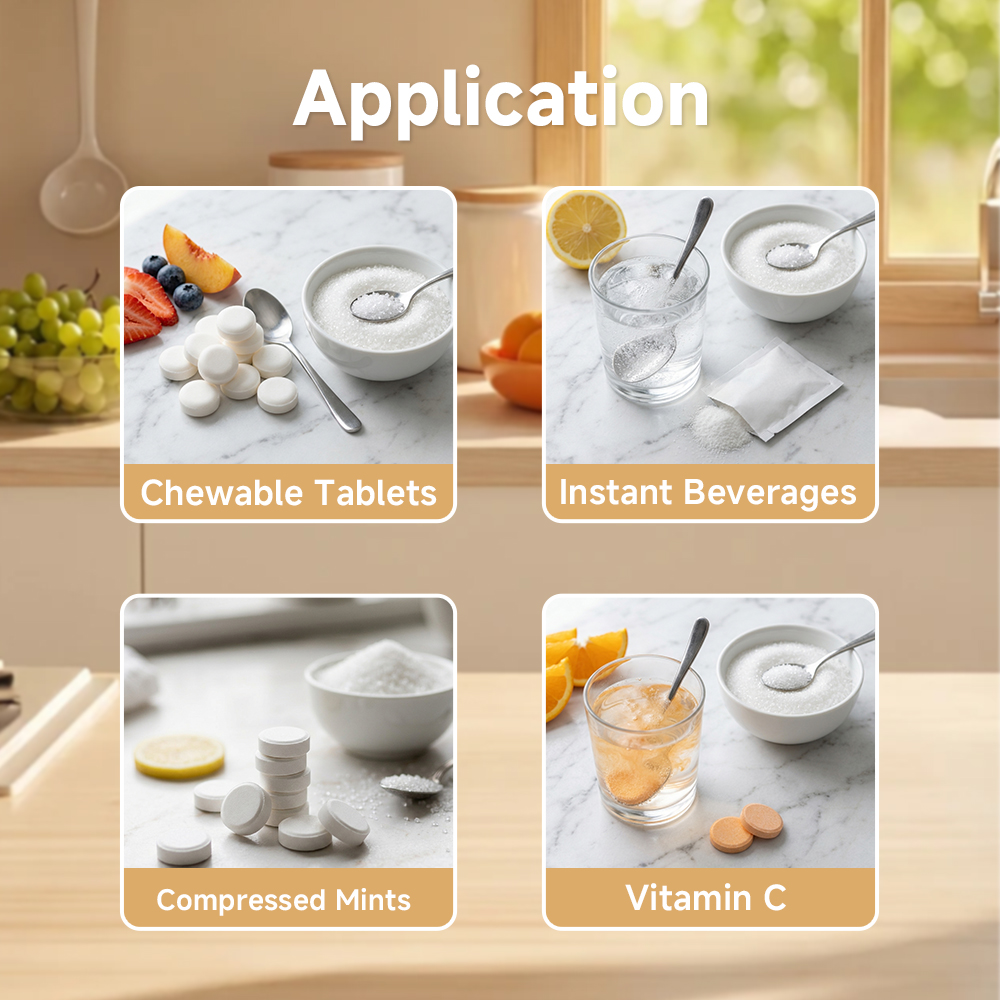
Chewable tablets (granulated): While H20 is preferred for direct-compression chewables, H60 is the sorbitol of choice when the chewable formulation requires wet granulation to achieve adequate hardness without excessive friability. Its rapid dissolution upon chewing delivers the sweetness and cooling sensation consumers expect.
2. Rapid-Dissolve & Effervescent Formulations
Effervescent powder sachets: H60's fast dissolution means the consumer's glass of water turns into a fully dissolved, sparkling beverage in seconds — not the minute-plus wait that coarse granules can require. The fine powder also distributes the acid and carbonate components more intimately, ensuring uniform effervescence.
Instant drink powders (pharmaceutical & nutraceutical): Electrolyte powders, vitamin C drink mixes, and fiber supplements that must dissolve rapidly in cold water benefit from H60's dissolution speed. No stirring, no residue, no consumer frustration.
Orodispersible tablets (ODTs): Tablets designed to disintegrate on the tongue within seconds use fine-particle excipients to maximize the surface area exposed to saliva. H60's rapid wetting and dissolution support the sub-30-second disintegration times that ODT monographs and consumer expectations demand.
3. Fine Dry Blend Formulations
API-sorbitol premixes: When sorbitol serves as both excipient and sweetener in a dry blend with a micronized API (typical of many OTC powder formulations), H60's particle size distribution aligns more closely with the API, producing a blend that stays blended from the V-blender through the hopper to the filling head.
Multi-component nutritional powders: Protein powders, amino acid blends, fiber supplements, and meal replacement powders contain ingredients spanning a wide density range (from dense minerals to fluffy fibers). H60's intermediate density and fine particle size help bridge these extremes, reducing the stratification that produces "first scoop all minerals, last scoop all fiber" variability.
4. Vitamin C (Ascorbic Acid) Fermentation
Faster dissolution → shorter batch cycle: In industrial vitamin C production, the first process step is dissolving sorbitol in water to produce the fermentation medium. H60 dissolves significantly faster than H20 — a time saving that, multiplied across hundreds of batches per year in a continuous-operation fermentation plant, directly improves production throughput and reduces energy consumption for agitation.
Freight efficiency: Like H20, H60 contains ≤1.5% water — the customer pays to ship sorbitol, not water. For long-distance international supply chains, this freight cost advantage over 70% sorbitol solution is substantial.
Consistent purity for consistent fermentation yield: H60's pharmaceutical-grade purity (≥97% sorbitol anhydrous) minimizes the non-fermentable polyol fraction that occupies reactor volume without contributing to sorbose yield.
5. Confectionery
Compressed mint tablets: H60's fine particle size and rapid dissolution produce a smooth, fast-melting compressed mint with intense cooling sensation — the sensory profile that defines premium sugar-free mint confectionery.
Powdered drink mixes & candy powders: Sugar-free powdered candy and drink mix products rely on fast dissolution for the flavor impact consumers expect. H60's dissolution speed directly shapes that experience.
Sugar-free fondant & icing powders: Fine sorbitol powder dissolves smoothly in small amounts of water to produce the glossy, spreadable icing used in sugar-free pastries and confectionery decoration.
Applications at a Glance
| Application | Why H60 Specifically | Key Advantage Over H20 |
| Wet Granulation Tablets | High surface area → better binder uptake → uniform granules | Granule quality; tablet consistency |
| Low-Dose API Formulations | Fine particles lock in APIs; prevent segregation | Content uniformity assurance |
| Effervescent Powders | Fast dissolution → instant beverage experience | Consumer experience (seconds vs. minutes) |
| Orodispersible Tablets (ODTs) | Rapid wetting → sub-30-second disintegration | Meets ODT monograph requirements |
| Vitamin C Fermentation | Fast dissolution → shorter batch cycle time | Production throughput |
| Compressed Mints | Smooth, fast-melting mouthfeel | Premium sensory profile |
| Fine Dry Blends with APIs | Particle size matches micronized APIs → no segregation | Blend stability during handling |
| Nutritional Powders | Bridges density extremes in multi-component blends | Scoop-to-scoop uniformity |
Q: Should I choose H20 or H60 for my formulation?
A: If your process is direct compression → H20 (better flow, less dust). If your process is wet granulation, involves fine API blending, or requires rapid dissolution → H60. If you are unsure, our technical team can review your process parameters and recommend the optimal grade.
Q: Does H60 generate more dust than H20?
A: Yes. All fine powders generate dust during handling. H60's Mesh 60 particle size will produce noticeable dust during bag opening and transfer. Use local exhaust ventilation and appropriate respiratory protection. If dust control is a primary concern in your facility, H20 may be more suitable — or H60 can be supplied in FIBC big bags with sealed discharge spouts to minimize open-powder handling.
Q: Can I use H60 for direct compression if I add a glidant?
A: Adding colloidal silicon dioxide or other glidants can improve H60's flowability to a degree, but if your formulation and process allow direct compression, H20 is the engineered solution. Using H20 eliminates the need for additional excipients, simplifies your formulation, and reduces the number of variables in your process validation. Only use H60 with glidants when wet granulation or dissolution speed is the higher priority.
Q: Does H60 dissolve faster in cold water than H20?
A: Significantly faster. With approximately three times the specific surface area, H60 wets and dissolves more rapidly — a meaningful difference in applications where dissolution time is consumer-visible (effervescent powders, instant drinks) or process-critical (fermentation media preparation).
Q: Is the chemical purity of H60 different from H20?
A: No. Both grades meet identical USP/NF and EP purity specifications. The difference is exclusively in particle size.
Q: Can Huanfa supply split container loads of H20 and H60?
A: Yes. For customers requiring both grades, we can load a single container with both H20 and H60 pallets. Please specify the quantity of each grade when requesting a quotation.
Q: What is the minimum order quantity, shelf life, and lead time?
A: MOQ: 1,000 kg (1 pallet) trial, ~18–20 MT per container commercial. Shelf life: 24 months. Lead time: 15–20 days standard.

 EN
EN