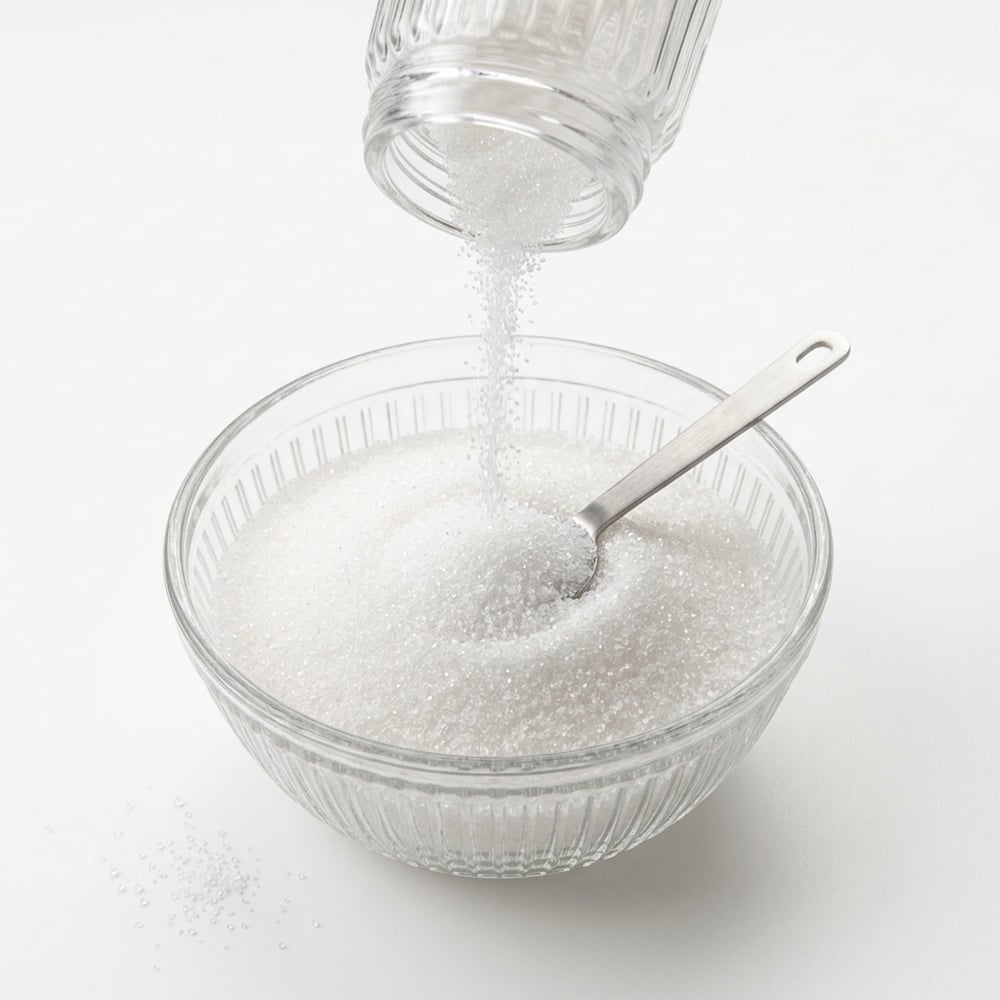
Huanfa Pharmaceutical's Crystalline Maltitol — a USP/NF, EP, and GB 28307-2012 Type I compliant polyol sweetener (≥98% assay, verified 99.6%). Non-cariogenic, GI ~36, 90% sucrose sweetness with zero cooling effect. Ideal for sugar-free chocolate, hard candy, chewing gum coating, pharmaceutical chewable tablets, and bakery. 24-month shelf life. 0% US import tariff (HTS 2905.44). Global shipping from Guangdong, China.
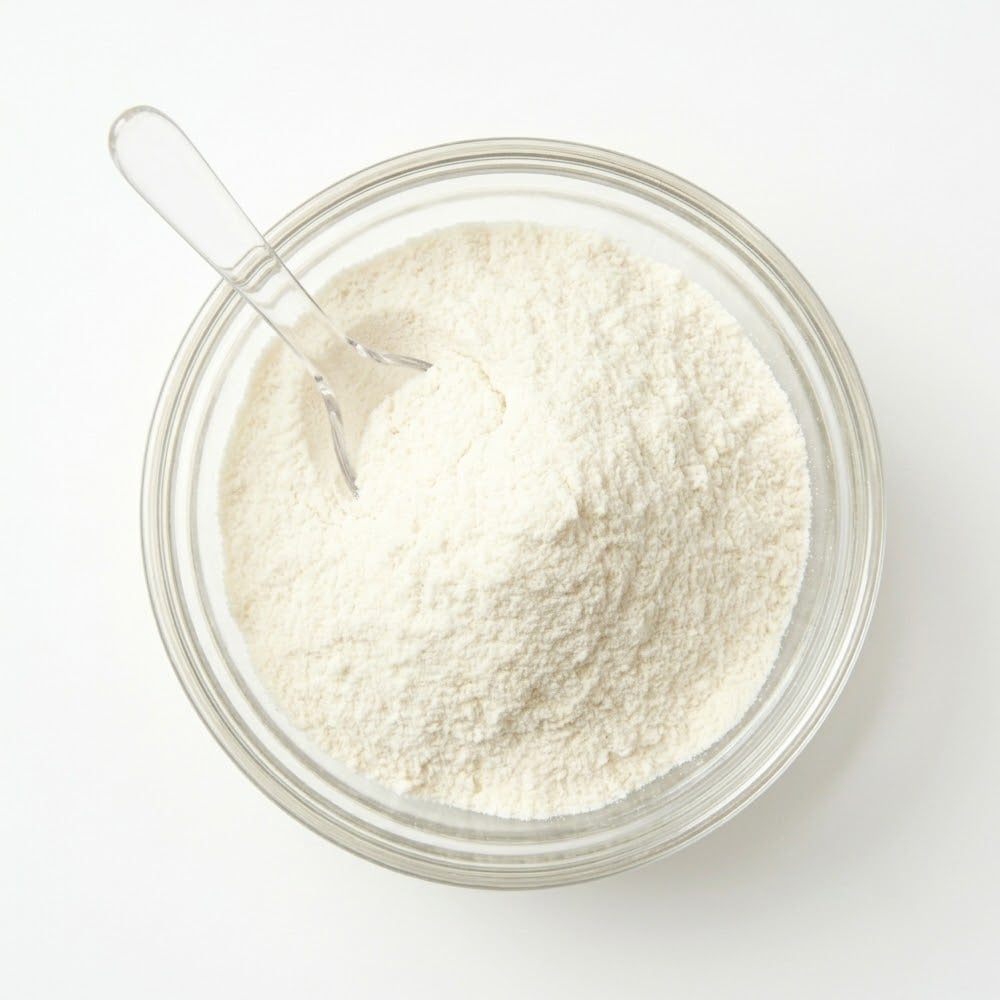
Crystalline Maltitol is a white, odorless crystalline powder — the pure, dried, and sieved essence of maltitol — manufactured by Guangdong Huanfa Pharmaceutical Co., Ltd. through the complete hydrogenation, chromatographic purification, controlled crystallization, fluidized-bed drying, and precision screening of maltose derived from non-GMO corn starch. It contains ≥98% D-maltitol (C₁₂H₂₄O₁₁) on a dry basis — verified at 99.6% per third-party food safety testing (Report № Food Inspection 2025-11-4326) — and is compliant with three standards simultaneously: USP/NF, EP, and China's GB 28307-2012 (Maltitol Type I).
At approximately 90% of sucrose's sweetness with zero cooling effect, a glycemic index of ~36, and a caloric value of 2.1 kcal/g (209 kcal/100g), crystalline maltitol is the polyol that most faithfully replicates the sensory experience of sugar in solid formulations. It is the ingredient that makes sugar-free chocolate taste like chocolate, not like a compromise.
Crystalline maltitol is fundamentally different from maltitol solution (MT5075). The solution contains ~25% water and ~50% maltitol with the balance as hydrogenated oligosaccharides — it is designed for liquid-phase manufacturing. Crystalline maltitol is >98% pure maltitol with ≤1.0% water — it is designed for dry-blend and moisture-sensitive applications where every gram must count and no unwanted water can be tolerated: sugar-free chocolate conching, hard candy cooking, chewing gum coating, pharmaceutical chewable tablets, and dry bakery premixes.
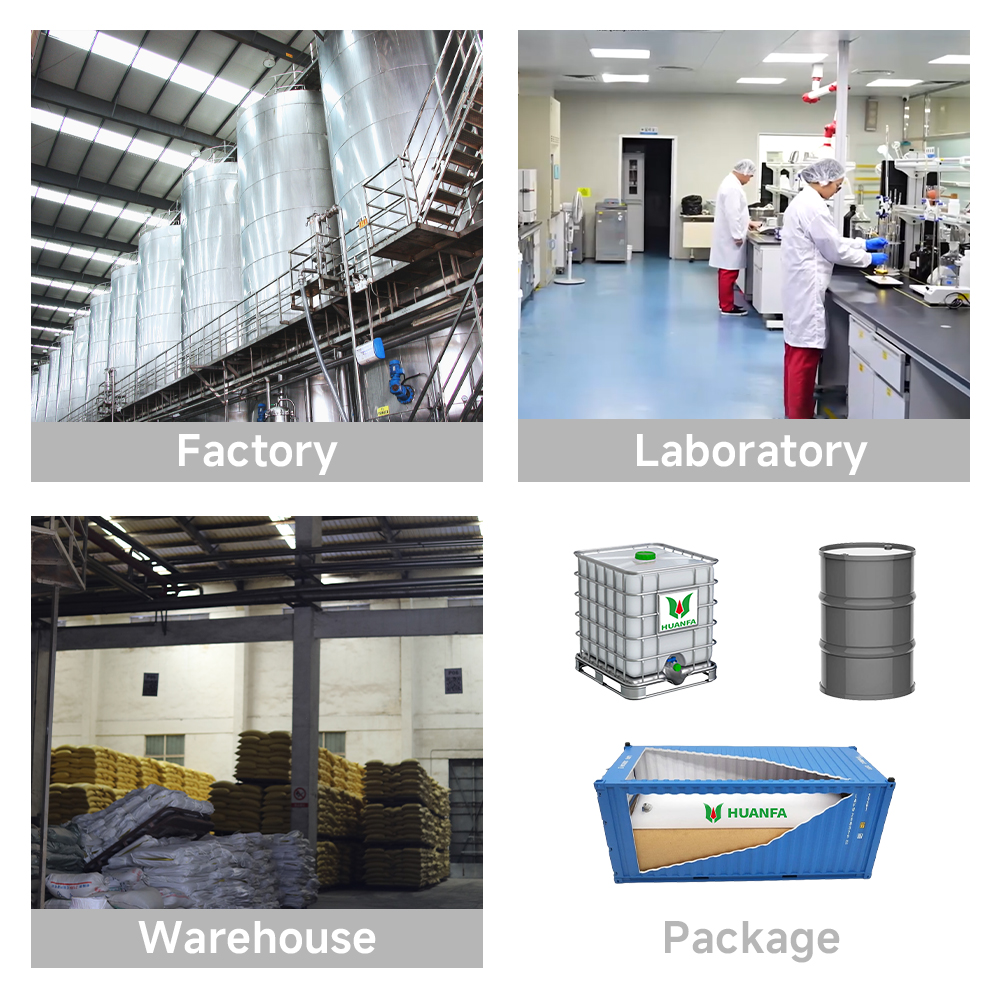
Every batch is manufactured under a pharmaceutical quality system: chromatographic separation for purity, controlled crystallization with seed crystals, fluidized-bed drying with HEPA-filtered clean air, magnetic bar protection (OPRP), tunnel-type metal detection (CCP), D-grade clean area packaging into PE-lined kraft paper bags, and T1 + T2 dual-release authorization. This is pharmaceutical manufacturing applied to a food ingredient — because when the application is sugar-free chocolate or a chewable vitamin tablet, purity and consistency are not negotiable.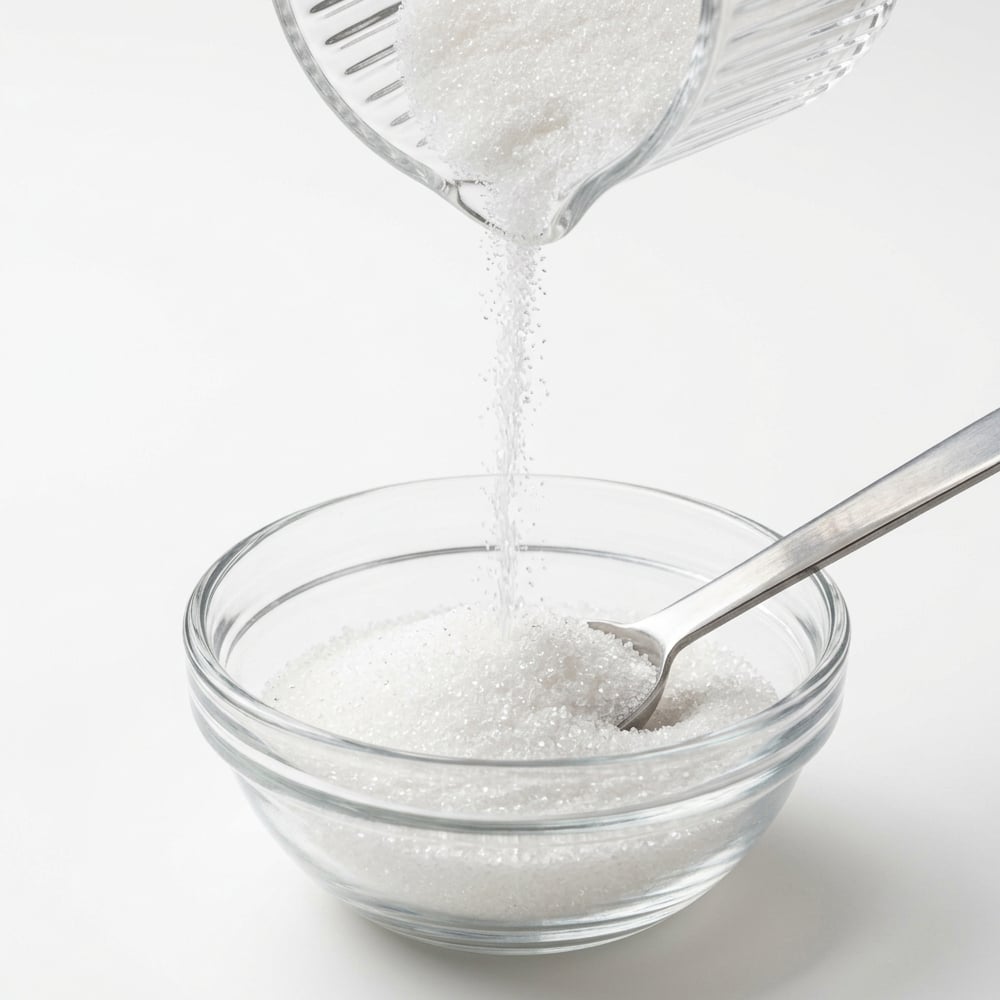
Manufacturing Process — Chromatographic Purity
Crystalline maltitol requires a purification step that sorbitol does not: chromatographic separation. After hydrogenation converts the maltose-rich syrup into a mixture of maltitol, sorbitol, and hydrogenated oligosaccharides, the maltitol must be isolated from its co-polyols to reach the ≥98% purity that crystalline grade demands. This is the step that distinguishes pharmaceutical-grade crystalline maltitol from commodity maltitol syrup — and it is the step that Huanfa performs in-house.
Corn Starch → Liquefaction → Saccharification → Maltose-Rich Syrup
→ Catalytic Hydrogenation → Mixed Polyol Solution
→ Chromatographic Separation → High-Purity Maltitol Fraction
→ Ion-Exchange Refining → Concentration
→ Evaporation Crystallization (with seed crystals, pure steam)
→ Separation → Maltitol Crystals
→ Fluidized-Bed Drying (HEPA-filtered clean air, dehumidified, temperature-controlled)
→ Screening → Magnetic Bar (OPRP)
→ Packaging (D-Grade Clean Area) → Tunnel Metal Detector (CCP)
→ T1 Material Release → Finished Product Inspection → T2 Finished Product Release
→ Warehousing → Transportation
Why Source Crystalline Maltitol from Huanfa Pharmaceutical?
1. Triple-Standard Compliance — USP/NF + EP + GB
Not one pharmacopoeia, not two — three independent standards verified on the same product. This eliminates the need for multi-supplier qualification and supports pharmaceutical filings, food product registrations, and export documentation across US, EU, and China markets simultaneously.
2. Chromatographic Purity — Not Just Hydrogenation
Many maltitol producers hydrogenate and stop. Huanfa adds chromatographic separation — isolating the maltitol fraction from co-hydrogenated sorbitol and oligosaccharides — to achieve the ≥98% purity that crystalline grade demands. This is the step that commodity maltitol syrup skips, and it is why Huanfa's crystalline maltitol reaches 99.6% actual purity.
3. Verified by Third-Party Food Safety Testing
Independent laboratory Report № Food Inspection 2025-11-4326 confirms: maltitol content 99.6%, moisture 0.0092%, compliant with GB 28307-2012 Type I. Batch FM2510001 manufactured October 2025, expiration October 2027 — 24 months confirmed. Third-party data eliminates the "trust me" factor from supplier qualification.
4. Pharmaceutical Manufacturing Infrastructure
Three-stage contaminant control (magnetic bar OPRP → tunnel metal detector CCP → finished product inspection), D-grade clean area packaging, T1 + T2 dual-release authorization, HEPA-filtered drying air, pure steam for crystallization — every batch is manufactured under a pharmaceutical quality system, not a food-grade plant producing pharmaceutical-grade documentation.
5. 0% US Import Tariff
Maltitol shares sorbitol's HTS 2905.44 classification with a 0% MFN duty rate — a permanent structural cost advantage for US-based confectionery and pharmaceutical manufacturers.
6. Complete Regulatory & Safety Documentation
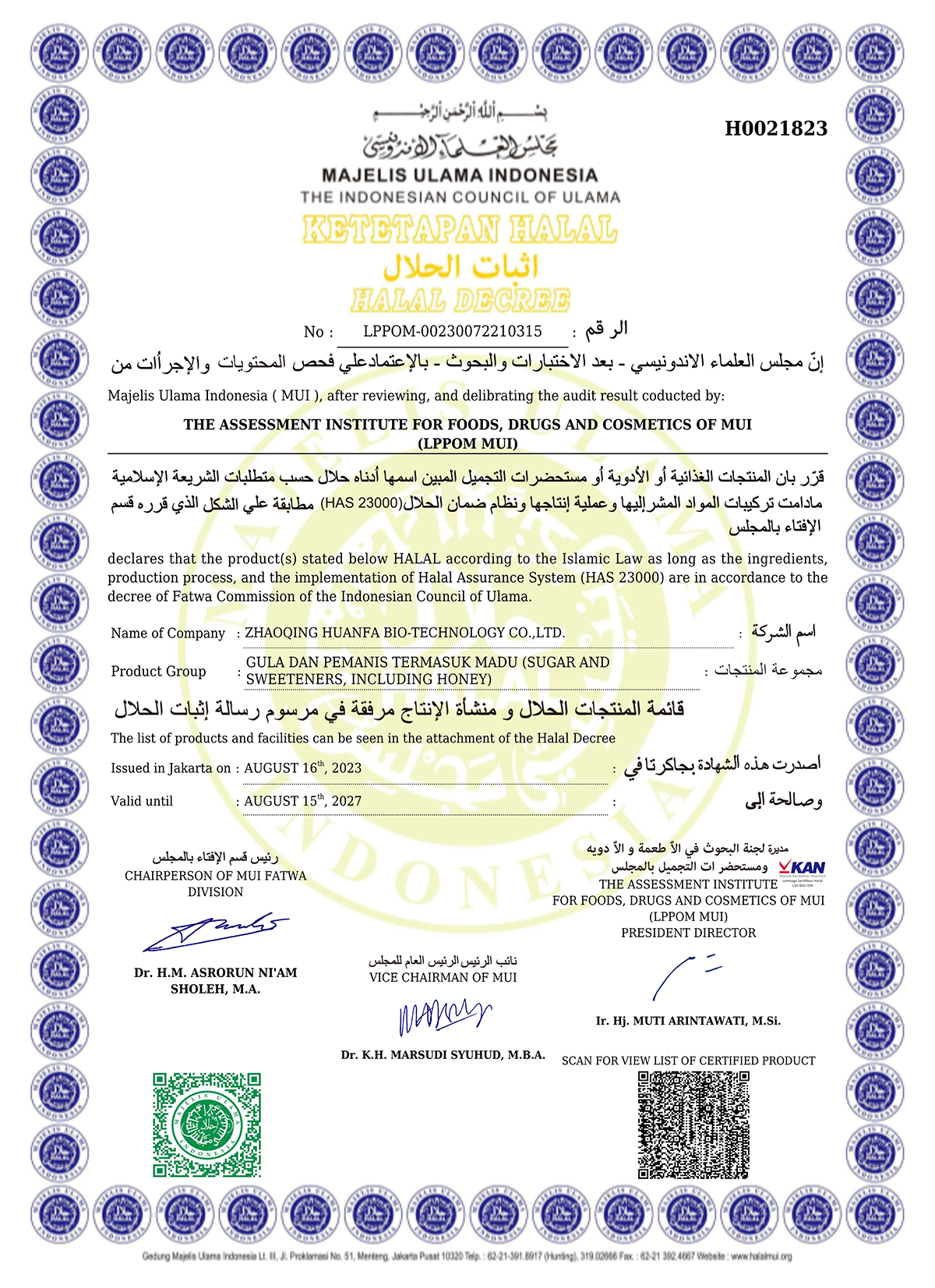
Full documentation package available: USP/NF Certificate of Conformance, EP Certificate of Conformance, third-party GB 28307-2012 test report, MSDS (English), nutritional declaration, Kosher certificate, Halal certificate, non-GMO statement, and DMF support for pharmaceutical customers.
7. Strategic Location & Logistics
Three hours from Guangzhou, Shenzhen, and Hong Kong ports — competitive ocean freight, weekly sailings to all major markets, bagged palletized container shipping.
Sucrose-like sweetness without cooling: At ~90% of sucrose's sweetness and with negligible negative heat of solution, crystalline maltitol is the only polyol that can fully replace sugar in chocolate without introducing cooling sensation or requiring high-intensity sweetener blends to compensate for sweetness shortfall. This is not an incremental improvement over other polyols — it is a categorical difference.
Low glycemic index (~36): Crystalline maltitol's GI of approximately 36 is roughly half that of sucrose (GI 68) and significantly lower than maltitol syrup (GI ~52). It produces an attenuated blood glucose and insulin response, supporting diabetic-friendly and low-GI product positioning.
Reduced caloric value (2.1 kcal/g): At approximately half the calories of sugar (4.0 kcal/g), maltitol enables a ~50% calorie reduction in the sweetener fraction — meaningful for reduced-calorie chocolate, confectionery, and baked goods.
Non-cariogenic: Maltitol is not fermented by oral Streptococcus mutans into enamel-demineralizing acids. Products sweetened with maltitol qualify for "tooth-friendly" labeling under FDA and EU health claim frameworks.
High chemical purity (verified 99.6%): Chromatographic separation isolates maltitol from co-hydrogenated polyols (sorbitol, maltotriitol), yielding a single-molecule sweetener rather than a polyol blend. For pharmaceutical formulators, this means one well-characterized excipient rather than a mixture.
Maillard-inert: Maltitol does not participate in browning reactions with amino acids, maintaining color stability in heat-processed products — critical for white chocolate, clear hard candies, and light-colored baked goods.
Crystallization behavior similar to sucrose: In tempered chocolate, maltitol crystallizes in a pattern that produces the characteristic snap, gloss, and bloom resistance of properly tempered chocolate — properties that amorphous polyols cannot replicate.
Non-hazardous: Per MSDS: non-dangerous, non-irritant, non-corrosive, non-flammable. No special handling or storage precautions beyond standard good warehouse practice. No heavy metal contamination.
Huanfa Crystalline Maltitol — USP/NF + EP + GB 28307-2012 Type I
Third-party verified per food safety Report № Food Inspection 2025-11-4326 (Lot FM2510001, manufactured October 2025).
Chemical & Physical Specifications
| Parameter | EP Standard | USP/NF Standard | GB 28307-2012 Type I | Verified Result |
| CAS Number | 585-88-6 | 585-88-6 | — | — |
| Molecular Formula | C₁₂H₂₄O₁₁ | C₁₂H₂₄O₁₁ | — | — |
| Molecular Weight | 344.31 g/mol | 344.31 g/mol | — | — |
| INS / E Number | INS 965(i) / E 965(i) | — | CNS 19.005 | — |
| Characteristics | White or almost white, crystalline powder | White crystalline powder | White to almost white crystalline powder | White powder — Pass |
| Odor | — | — | Odorless | Odorless — Pass |
| Solubility | Very soluble in water; practically insoluble in anhydrous ethanol | — | — | — |
| Appearance of Solution | Clear and colorless | — | — | — |
| Identification | IR matches maltitol CRS | IR + HPLC retention time match | — | — |
| Maltitol Content (dry basis) | 98.0–102.0% | 92.0–100.5% | ≥ 98.0% | 0.996 |
| Water Content | ≤ 1.0% | ≤ 1.0% | ≤ 1.0% | 0.000092 |
| Specific Optical Rotation (anhydrous) | +105.5° to +108.5° | — | +105.5° to +108.5° | — |
| Reducing Sugars (as glucose) | ≤ 0.2% | ≤ 0.3% | ≤ 0.3% | — |
| Conductivity | ≤ 20 μS/cm | ≤ 20 μS/cm | — | — |
| Related Substances — Any Impurity | ≤ 1.0% | — | — | — |
| Related Substances — Total Impurity | ≤ 2.0% (disregard 0.1%) | — | — | — |
| Lead (Pb) | ≤ 1 mg/kg | ≤ 1 mg/kg | ≤ 1 mg/kg | — |
| Arsenic (As) | ≤ 3 mg/kg | ≤ 3 mg/kg | ≤ 3 mg/kg | — |
| Nickel (Ni) | ≤ 2 mg/kg | ≤ 1 μg/g | ≤ 2 mg/kg | — |
Microbiological & Endotoxin Specifications
| Parameter | Standard |
| TAMC (non-parenteral) | ≤ 10³ CFU/g |
| TAMC (parenteral) | ≤ 10² CFU/g |
| TYMC | ≤ 10² CFU/g |
| Coliforms | ≤ 10 CFU/g |
| Salmonella | Negative |
| Bacterial Endotoxins (parenteral, <100 g/L maltitol) | < 4 IU/g |
| Bacterial Endotoxins (parenteral, ≥100 g/L maltitol) | < 2.5 IU/g |
Nutritional Profile (per 100g)
| Nutrient | Value | NRV% |
| Energy | 873 kJ (209 kcal) | 10% |
| Protein | 0 g | 0% |
| Fat | 0 g | 0% |
| Carbohydrate (as sugar alcohol) | 99.5 g | 33% |
| Sodium | 0 mg | 0% |
Shelf Life & Storage
| Parameter | Detail |
| Shelf Life | 24 months in sealed original packaging (verified: Lot FM2510001 — manufactured 2025-10-10, expiration 2027-10-09) |
| Storage Conditions | Dry, ventilated; 15–25°C; not mixed with toxic, harmful, or corrosive substances |
| Moisture Sensitivity | Hygroscopic at elevated humidity — keep in sealed original packaging; once opened, use promptly |
| Packaging | 25 kg multi-wall kraft paper bag with PE inner liner; packed in D-grade clean area |
Packaging
| Packaging Type | Net Weight | Notes |
| Multi-wall kraft paper bag with PE inner liner — Standard | 25 kg | USP-specification verified format; PE inner bag stored and accepted under controlled conditions |
| Palletized, stretch-wrapped | 25 kg × 40 bags/pallet | ISPM-15 fumigated wooden pallets |
| Custom / private-label | Per inquiry | OEM and distributor-brand formats |
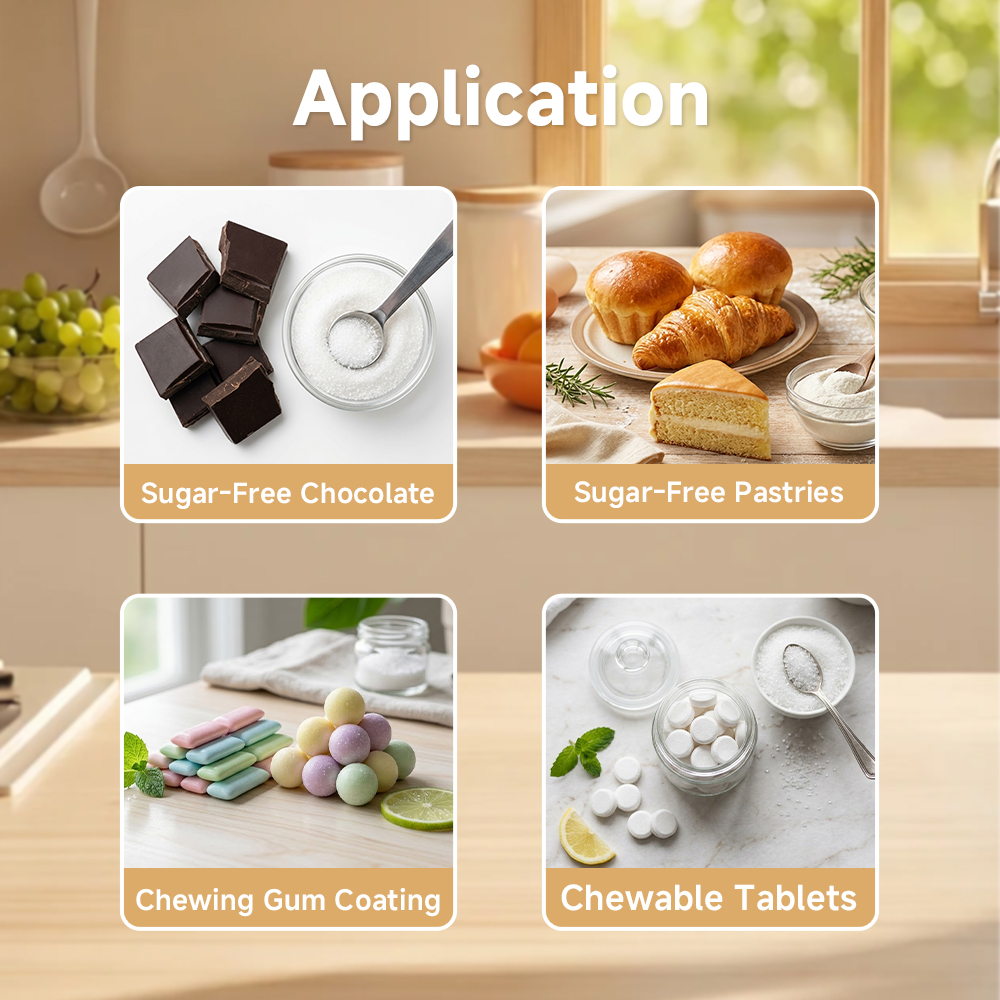
1. Sugar-Free Chocolate — The Defining Application
Crystalline maltitol is the ingredient that makes sugar-free chocolate indistinguishable from sugar-sweetened chocolate. The reasons are molecular:
No cooling effect: Chocolate's sensory appeal depends on warm, slow cocoa butter melting at body temperature. Sorbitol, xylitol, and erythritol all produce a cooling sensation that disrupts this experience. Maltitol's heat of solution is negligible — the chocolate experience remains intact.
Sucrose-like sweetness profile: At ~90% relative sweetness with a clean taste and no bitter or metallic aftertaste, maltitol-sweetened chocolate requires no high-intensity sweetener supplementation — eliminating the off-notes that plague stevia- and sucralose-containing sugar-free chocolate.
Proper crystallization for tempering: Maltitol crystallizes similarly to sucrose, enabling proper chocolate tempering — the snap, gloss, and bloom resistance that define premium chocolate. Other polyols produce softer, less stable crystalline phases.
Sugar-free chocolate bars, chips, coatings, and couverture: Crystalline maltitol is the direct 1:1 replacement for sucrose in chocolate formulations. Combined with cocoa mass, cocoa butter, milk solids, and lecithin, it produces sugar-free chocolate that performs identically to sugar-sweetened chocolate in tempering, molding, enrobing, and storage.
2. Sugar-Free Hard Candies
Crystal-clear hard candies: Crystalline maltitol melts and resolidifies into a transparent, glassy matrix with excellent shelf stability — no cold flow, no graining, no hygroscopic surface stickiness.
Superior sweetness without cooling overload: Unlike sorbitol-based hard candies where the cooling effect can overwhelm delicate fruit flavors, maltitol delivers clean sweetness that lets the flavor system work as designed.
3. Chewing Gum Coating
Hard coating shell: The crisp, sweet outer layer of sugar-free coated chewing gum pellets relies on crystalline maltitol for the proper combination of hardness, crunch, sweetness, and dissolution rate.
Non-cariogenic positioning: Maltitol supports "tooth-friendly" claims on sugar-free gum packaging — a key consumer decision driver in the category.
4. Pharmaceutical Chewable Tablets & Lozenges
Excipient with built-in sweetness: Crystalline maltitol serves simultaneously as a filler-binder and a sweetener in chewable vitamin, mineral, antacid, and cough/cold tablets — eliminating the need for separate sweetener addition and simplifying the formulation.
Non-cariogenic — clinically relevant: For products consumed multiple times daily (vitamin C tablets, calcium chews, antacids), the non-cariogenic profile is not a marketing claim — it is a clinical consideration for dental health.
USP/NF + EP compliance: Dual pharmacopoeia compliance supports pharmaceutical filings in both US and EU jurisdictions.
Direct compression and wet granulation compatible: Crystalline maltitol performs well in both processes, giving formulation scientists flexibility.
5. Bakery & Baked Goods
Sugar-free cookies, biscuits & cakes: Crystalline maltitol provides bulk, sweetness, and humectancy in dry bakery mixes and finished baked goods — the crystalline form ensures uniform distribution in dry premixes.
Cream fillings & fondants: The fine crystalline powder dissolves smoothly into fat-based and water-based filling systems, contributing sweetness without grittiness.
6. Nutritional Bars & Powdered Beverages
Protein bars, meal replacements & keto-friendly products: Crystalline maltitol provides sweetness, bulk, and humectancy in nutritional bars where the dry-blend phase requires a free-flowing crystalline sweetener.
Sugar-free hot chocolate & malted beverage powders: Crystalline maltitol dissolves readily in hot milk or water, delivering sweetness without the water load that liquid maltitol would introduce.
Applications at a Glance
| Industry Sector | Why Crystalline Maltitol | Typical Usage |
| Sugar-Free Chocolate | No cooling; sucrose-like sweetness; temperable; 1:1 sugar replacement | 30–55% of chocolate mass |
| Hard Candies | Clear glass; non-sticky; flavor-compatible sweetness | 50–98% of sweetener solids |
| Chewing Gum Coating | Crisp shell; non-cariogenic; "tooth-friendly" claims | 30–50% of coating |
| Pharma Chewable Tablets | USP/NF + EP compliant; built-in sweetness; non-cariogenic | Formulation-dependent |
| Bakery (Cookies, Cakes, Fillings) | Dry-blend compatible; Maillard-inert; humectant | Sugar replacement (1:1 solids) |
| Nutritional Bars & Beverages | Free-flowing crystalline form; no water load | 20–50% of sweetener fraction |
Crystalline Maltitol vs. Maltitol Solution (MT5075)
Both come from the same hydrogenation chemistry — but they are different products for different processes.
| Property | Crystalline Maltitol (This Product) | Maltitol Solution MT5075 |
| Maltitol purity (dry basis) | ≥ 98% (verified 99.6%) | ≥ 50% |
| Water content | ≤ 1.0% (verified 0.0092%) | ~25% |
| Form | White crystalline powder | Colorless viscous liquid |
| Glycemic index | ~36 | ~52 |
| Primary standard | USP/NF + EP + GB 28307-2012 Type I | GB 28307-2012 |
| Manufacturing entity | Guangdong Huanfa Pharmaceutical | Zhaoqing Huanfa Biotechnology |
| Best for | Dry-blend, chocolate (no added water), hard candy cooking, pharma | Liquid-phase: fillings, syrups, soft confectionery |
| 1:1 sugar replacement | Yes — dry crystalline form weighs and measures like sugar | No — water content must be accounted for |
Q: What is the difference between crystalline maltitol and maltitol solution (MT5075)?
A: Crystalline maltitol is a >98% pure dry powder with ≤1.0% water. Maltitol solution (MT5075) is a ≥75% solids liquid containing ≥50% maltitol with hydrogenated oligosaccharides. Choose crystalline for dry-blend applications, chocolate (where added water disrupts conching), hard candy cooking, chewing gum coating, and pharmaceutical tablets. Choose solution for liquid-phase manufacturing: syrups, fillings, soft confectionery.
Q: Does crystalline maltitol work in chocolate?
A: Yes — it is the polyol of choice for sugar-free chocolate. Unlike sorbitol (cooling effect), xylitol (cooling + cost), and erythritol (cooling + recrystallization issues), maltitol delivers the clean sweetness, neutral mouthfeel, and crystallization behavior that chocolate requires for proper tempering, snap, and gloss.
Q: What is the glycemic index of crystalline maltitol?
A: Approximately 36 — roughly half of sucrose (GI 68) and significantly lower than maltitol syrup (GI ~52). The lower GI of the crystalline form is due to its higher purity and slower dissolution rate compared to the syrup.
Q: Is maltitol suitable for diabetic products?
A: With a GI of ~36 and reduced caloric value (2.1 kcal/g), crystalline maltitol is suitable for diabetic-friendly and reduced-calorie formulations. However, it is not zero-glycemic — for products requiring the lowest possible glucose response, consult our technical team.
Q: What is the minimum order quantity (MOQ)?
A: Standard MOQ is 1,000 kg (one pallet, 40 × 25 kg bags) for trial orders and one 20-foot container (~18–20 MT, bagged and palletized) for commercial supply. Sample quantities (1–5 kg) available for formulation development.
Q: Does Huanfa supply both crystalline maltitol and crystalline sorbitol?
A: Yes. Crystalline maltitol (this product) for applications requiring sucrose-like sweetness and zero cooling effect (chocolate, premium confectionery, pharma). Crystalline sorbitol (H20, H60) for applications where cooling mouthfeel is desirable and lower cost is a priority (mint confectionery, effervescents, industrial). Our technical team can advise on grade selection.

 EN
EN