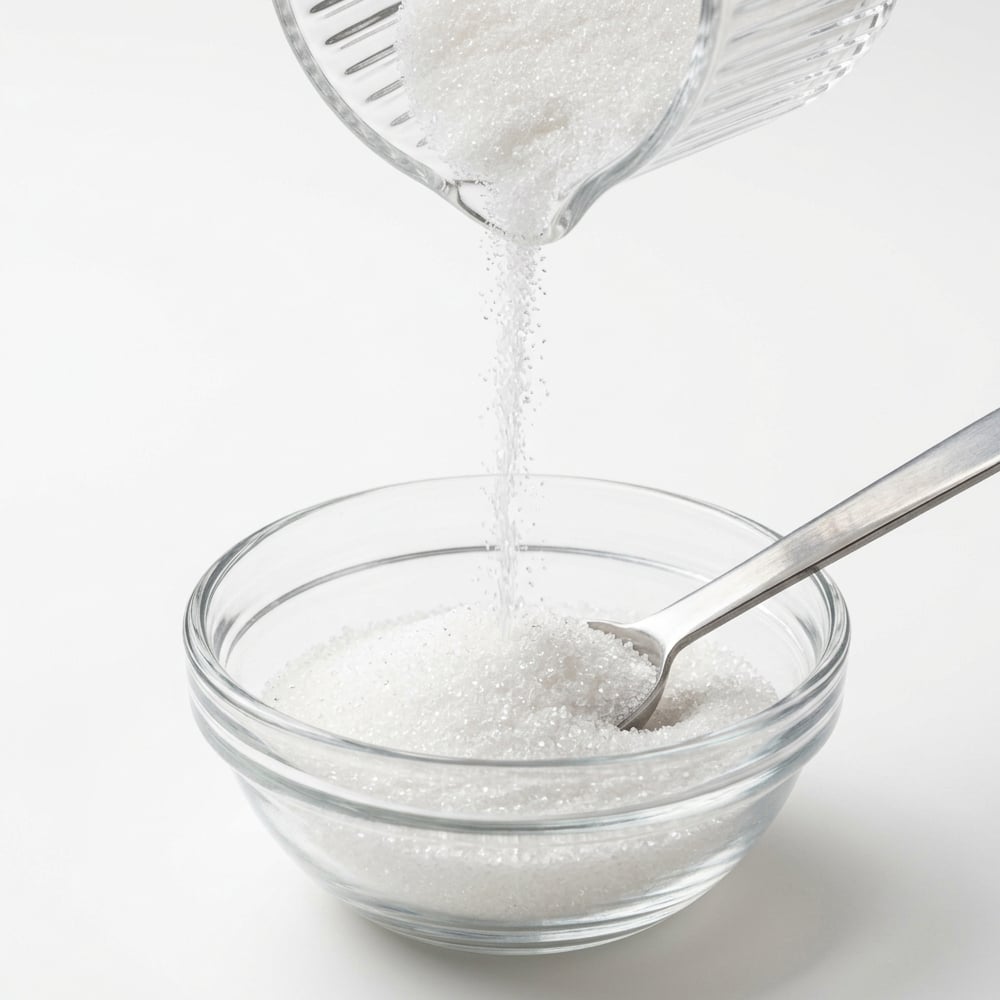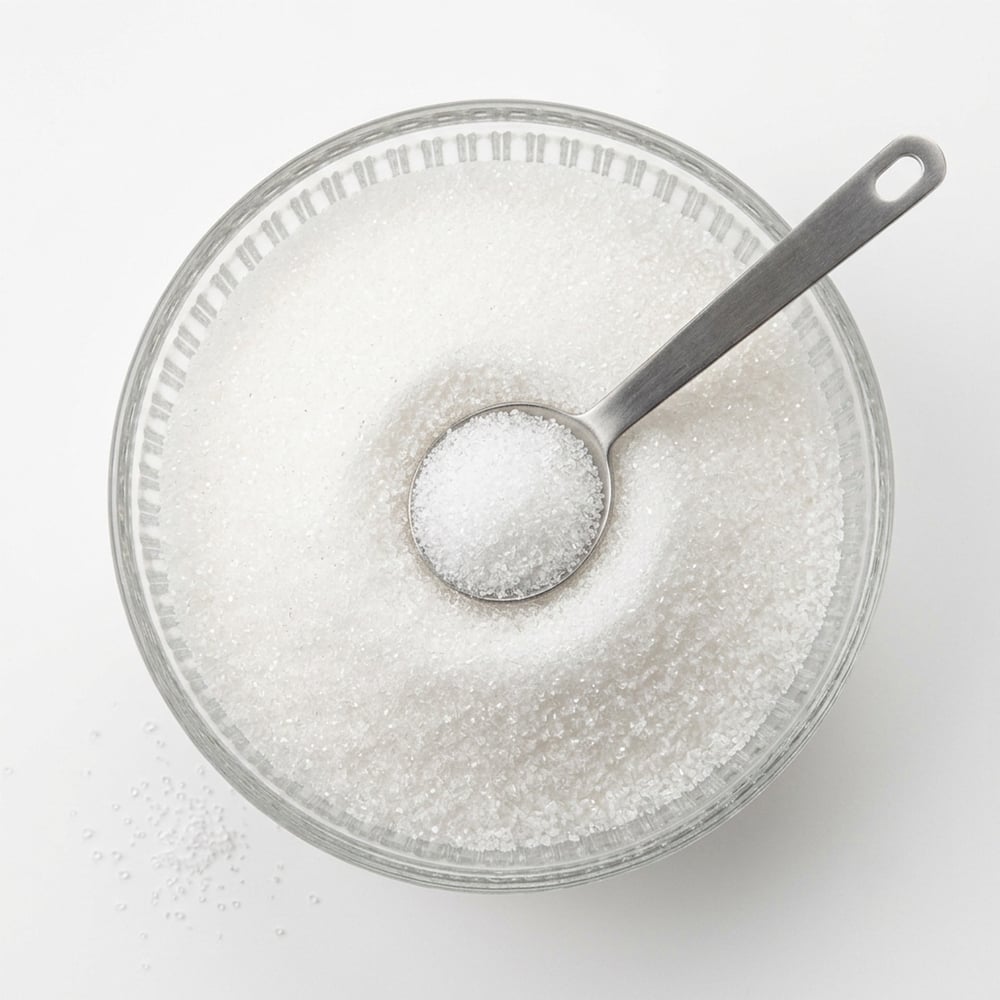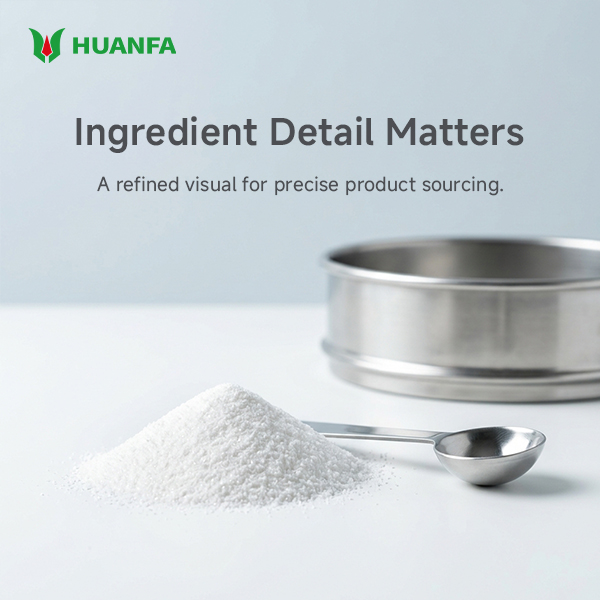
Allulose For Sugar Free Baking has emerged as a game-changing ingredient for bakers who want to reduce sugar without sacrificing taste or texture. Chemically, allulose is a C-3 epimer of fructose, meaning it differs slightly in molecular structure and is only partially metabolized by the human body. This unique metabolism means it contributes minimal calories while avoiding the laxative effects sometimes associated with sugar alcohols like maltitol or sorbitol. For baking, allulose participates in the Maillard reaction, producing the browning, aroma, and depth of flavor that make baked goods appealing. It also retains moisture, extending shelf life and preventing the dryness that plagues many reduced-sugar formulations. From a formulation perspective, allulose is often blended with other sweeteners such as monk fruit or stevia to achieve the perfect sweetness intensity, while its bulking properties replace the volume that sugar provides. Because it is about 70% as sweet as sucrose, bakers can adjust recipes easily. It is particularly effective in cookies, where it promotes spread and chewiness, and in cakes, where it keeps crumb structure tender. For international customers, our allulose for sugar free baking is backed by comprehensive documentation, including certificates of analysis, allergen statements, and non-GMO declarations, ensuring smooth customs clearance and regulatory acceptance worldwide.
13
Aug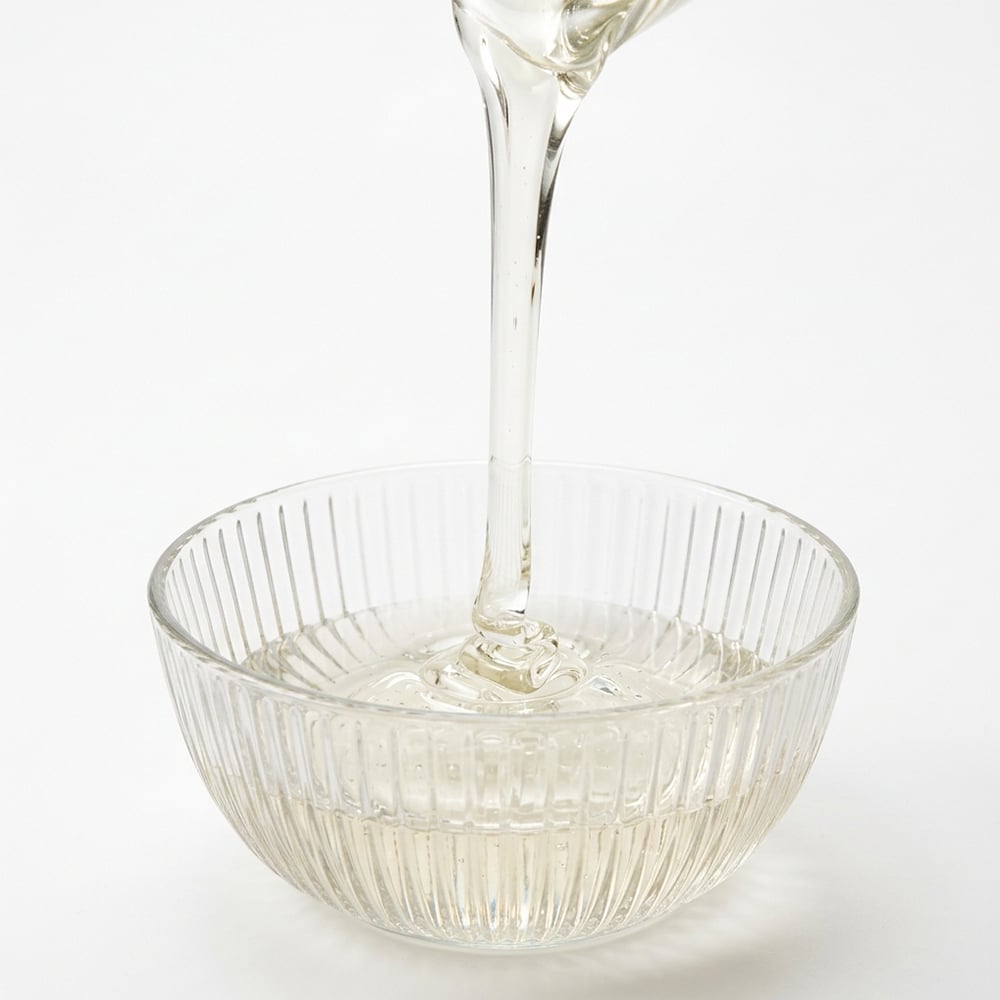
24
Sep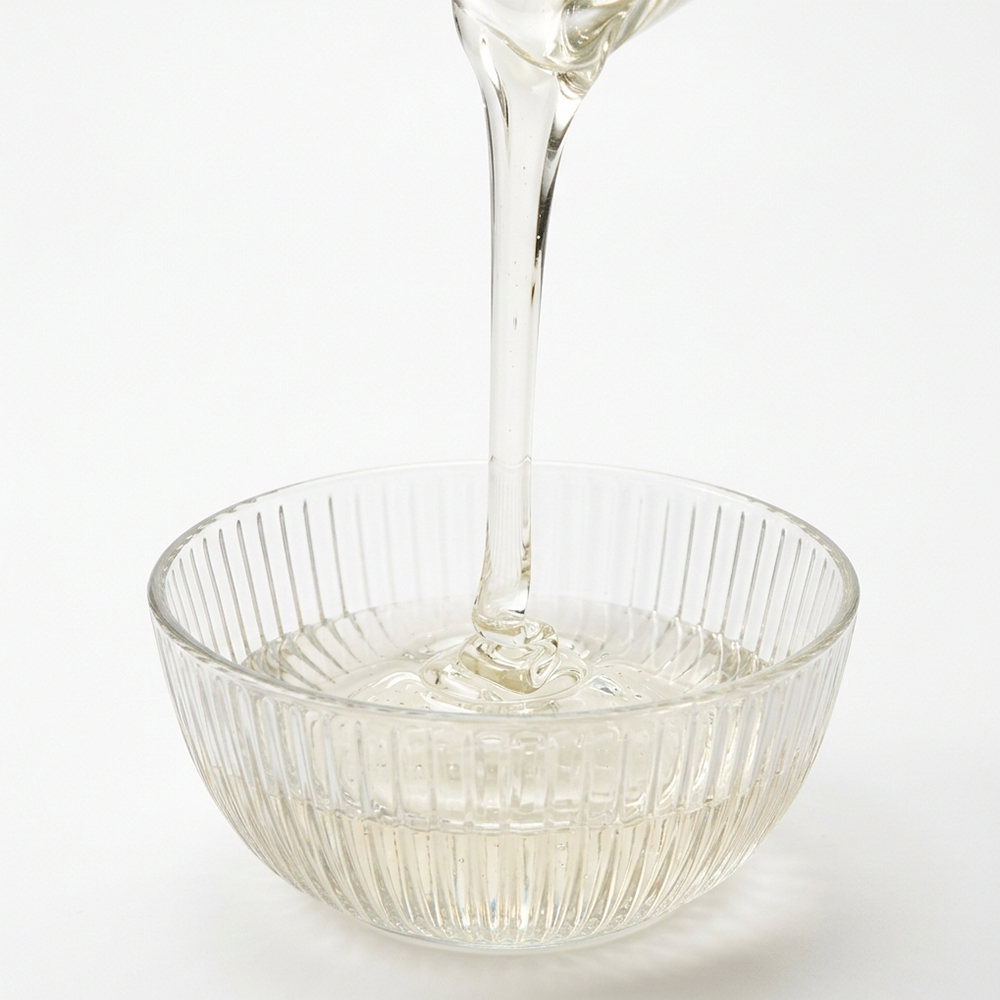
17
Sep
14
Sep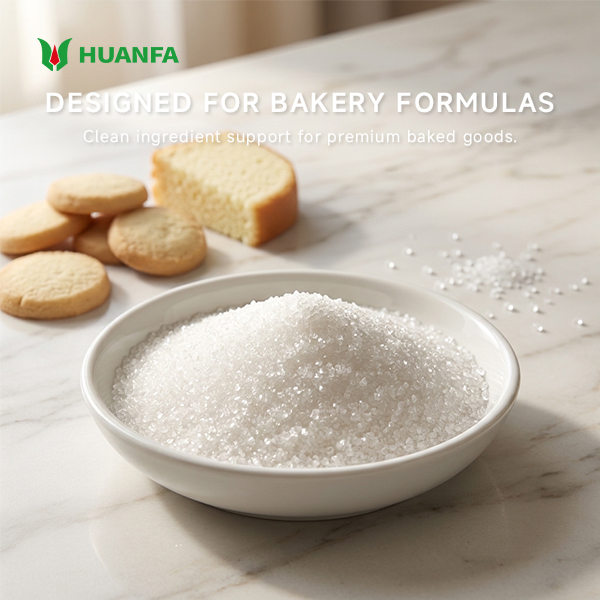

 EN
EN