
 EN
EN
Why Choose Humectant Sorbitol for Your Product?
When a formula needs to hold moisture without becoming sticky, unstable, or difficult to process, humectant sorbitol is often worth evaluating. It is a six-carbon sugar alcohol, also called a polyol, and it is used in food, oral-care, and personal-care systems where water management affects texture, appearance, and shelf life. The useful question is not whether humectant sorbitol works in the abstract. It is whether its water-binding behavior, physical form, and handling fit your particular product.
From a formulation-development perspective, that distinction matters. A specification can look acceptable on paper, yet a material may behave differently once it meets your process water, mixing order, packaging, and storage conditions. This article gives product teams a practical way to decide when humectant sorbitol is a sound starting point and when more testing is needed.
What Humectant Sorbitol Contributes to a Formula
Sorbitol is water soluble and can help a formulation retain moisture. In practical terms, humectant sorbitol can support a softer feel in food systems, help maintain a smoother consistency in syrups, and contribute moisture control in oral-care and personal-care products. It may also contribute sweetness or body in some applications, so it is rarely selected for one property alone.
That multi-function role is one reason formulators consider humectant sorbitol. Rather than adding separate ingredients for moisture management and bulk, a compatible sorbitol grade may address several formulation needs at once. Still, the finished-product result depends on concentration, the rest of the solids system, and the processing conditions. A humectant is not a substitute for a stability program.
Start With the Product System, Not the Ingredient Name
A practical reason to choose humectant sorbitol is that it matches a defined application need. In toothpaste, for example, the goal may be to maintain a workable paste and reduce drying during storage. In a syrup or soft confectionery system, the goal may be to help manage texture and water activity alongside other solids. In skin or hair care, the goal may be a more hydrated sensory profile.
Before selecting a grade, ask four direct questions:
- What moisture-related problem must the formula solve: drying, texture drift, processing loss, or consumer feel?
- Will the system use liquid sorbitol solution or a crystalline form?
- Which properties are critical at the end of shelf life, not only at laboratory scale?
- What specifications and documentation does the target market require?
These questions help prevent a common mistake: assuming that any water-soluble polyol will perform the same way. It will not. Humectant sorbitol should be evaluated as part of a complete system, including other sweeteners, salts, surfactants, gums, acids, and packaging.
Choose the Physical Form That Fits Your Process
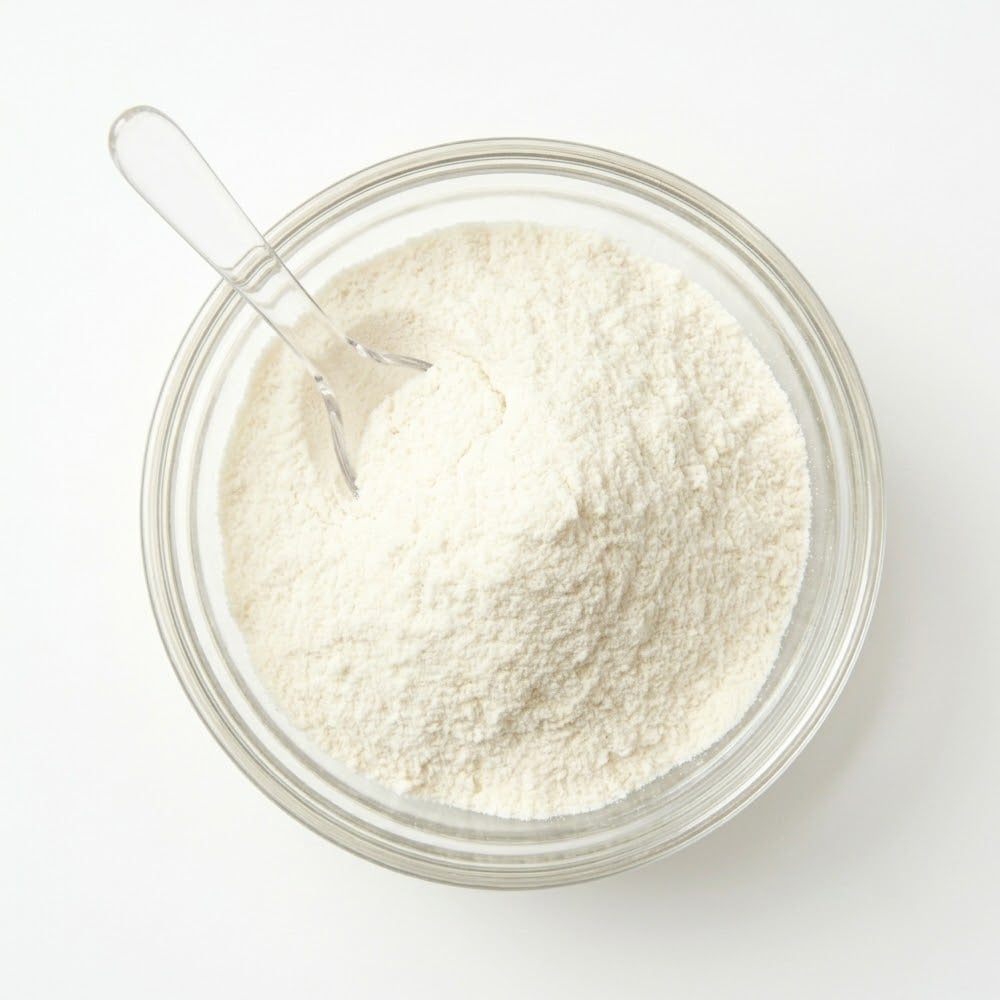
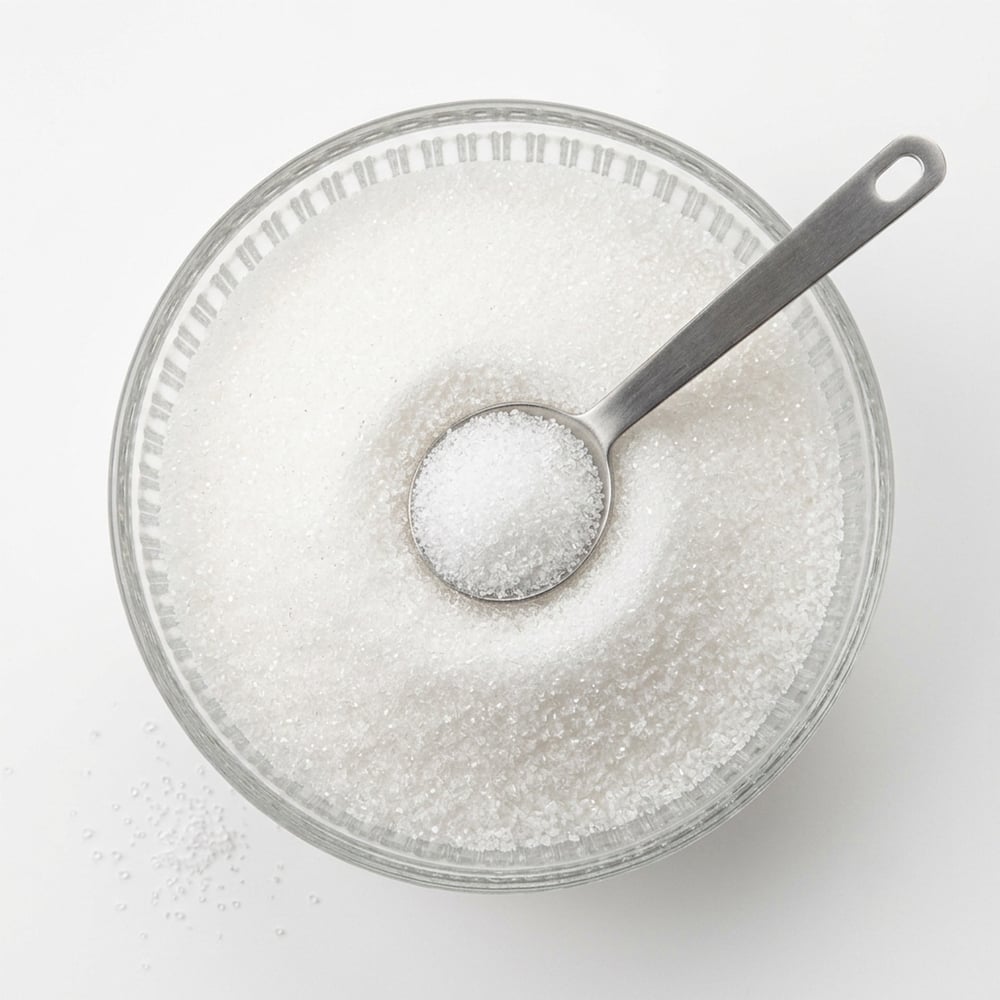
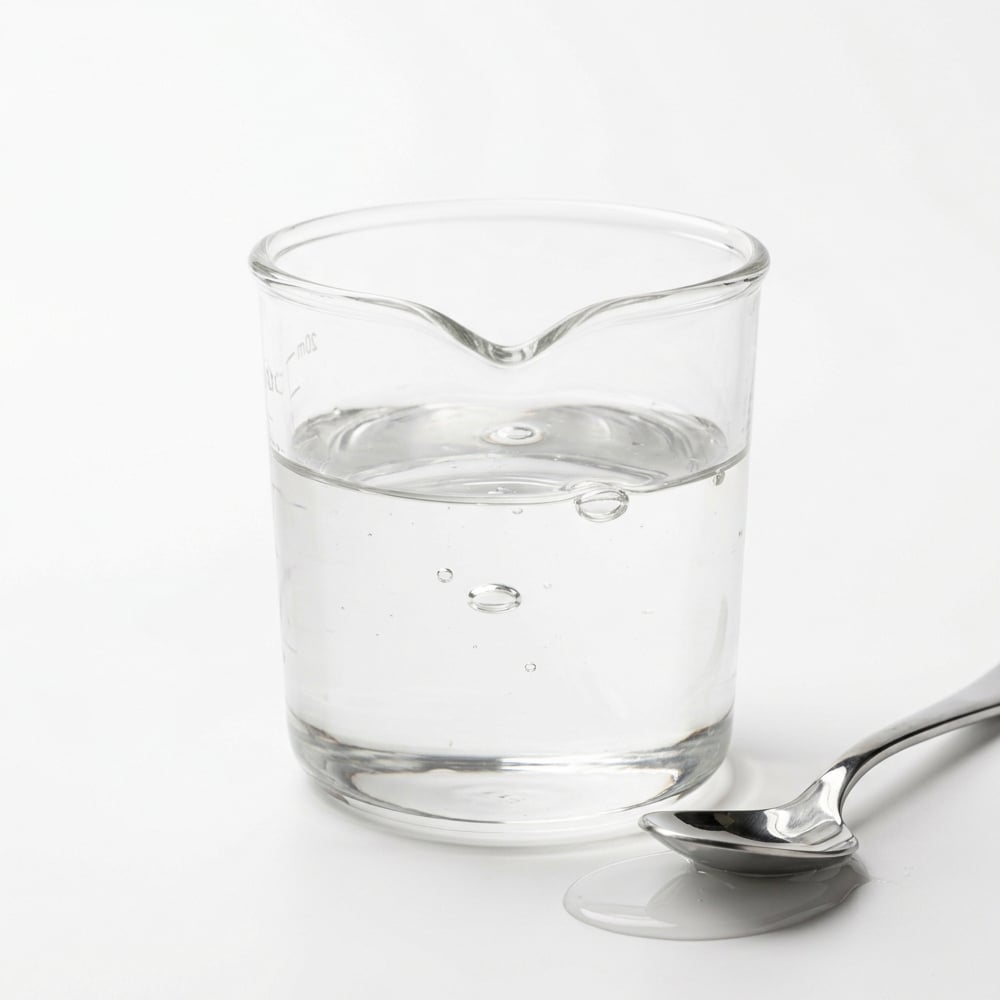
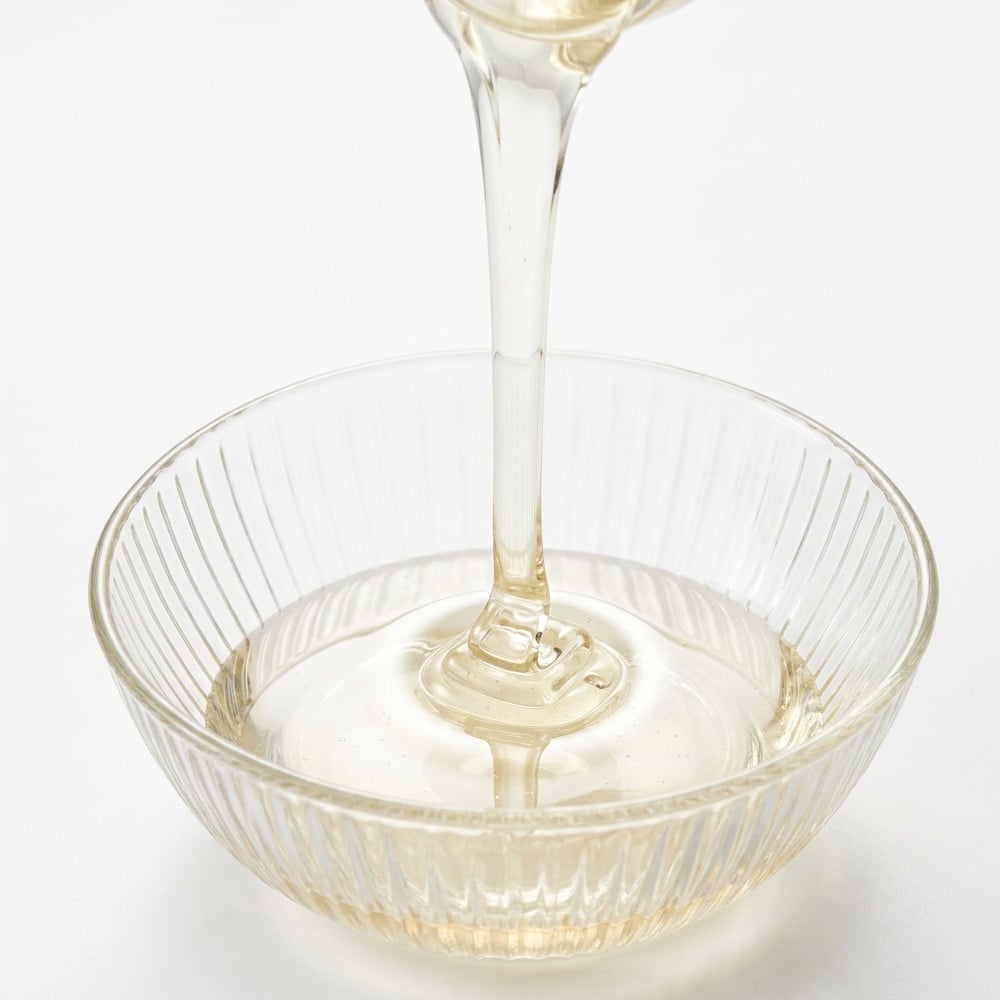
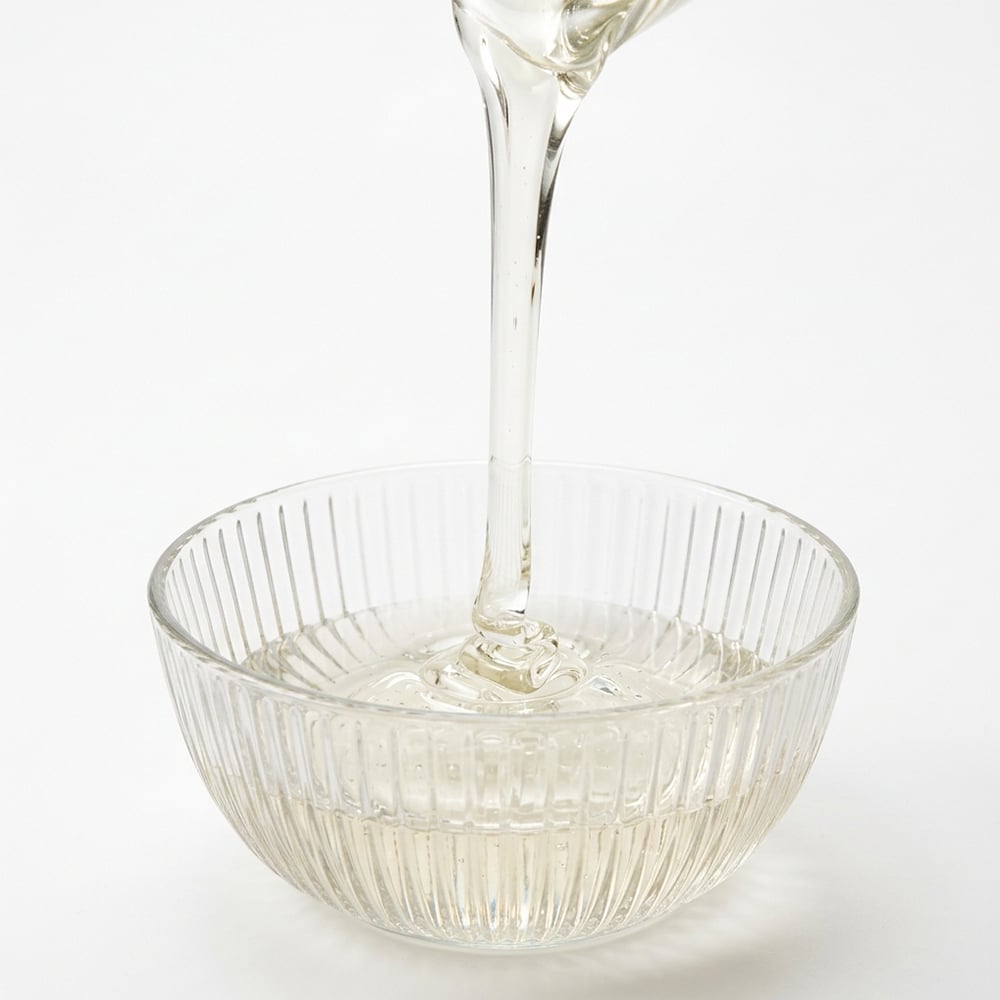
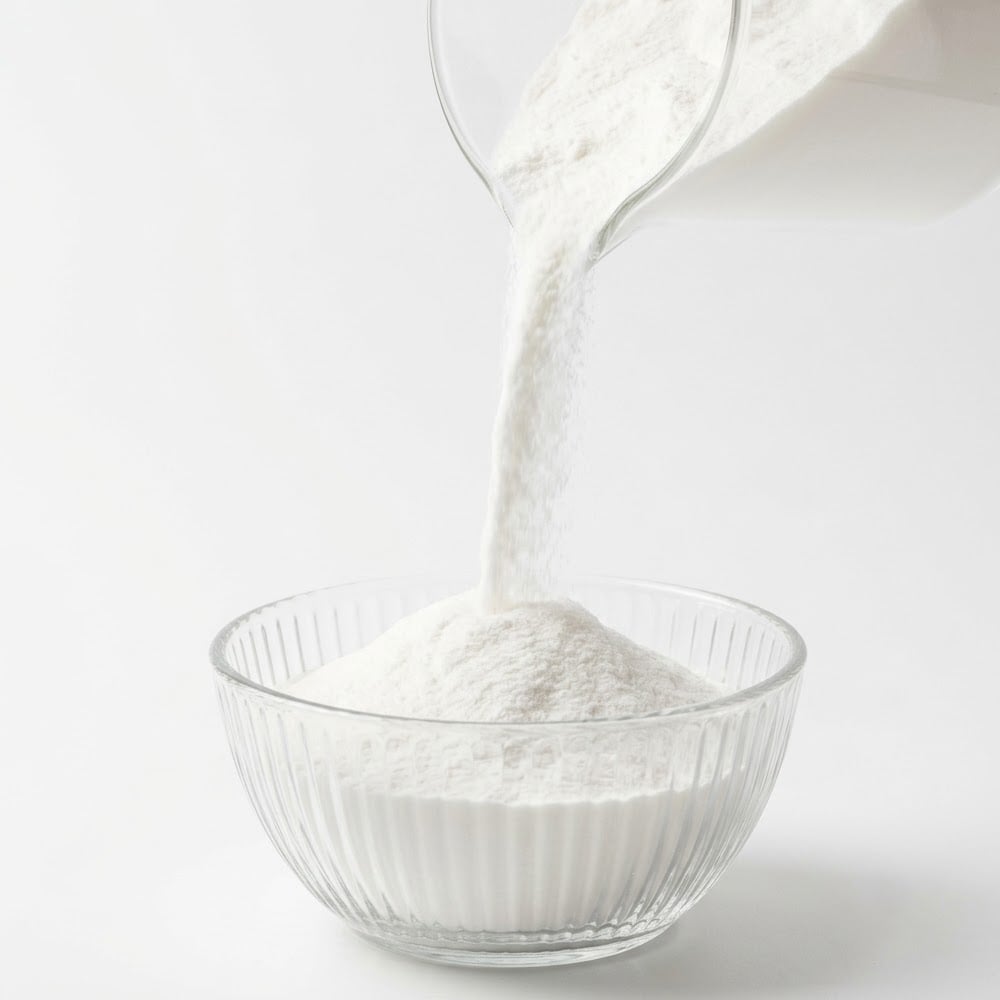
Liquid and crystalline options create different operating decisions. A liquid grade of humectant sorbitol can be practical when your process already handles aqueous ingredients and needs controlled viscosity. It may simplify dispersion in a liquid-phase process. A crystalline grade can be better aligned with dry blending or applications where a powder handling route is required.
There is no universally better form. If your line has limited liquid storage, pumping capacity, or heating control, liquid handling may add complexity. If your system is moisture sensitive, a crystalline grade can require close attention to storage and flowability. Good solubility does not mean low hygroscopicity; storage humidity and package integrity still deserve validation.
Why Application Testing Matters More Than a Generic Claim
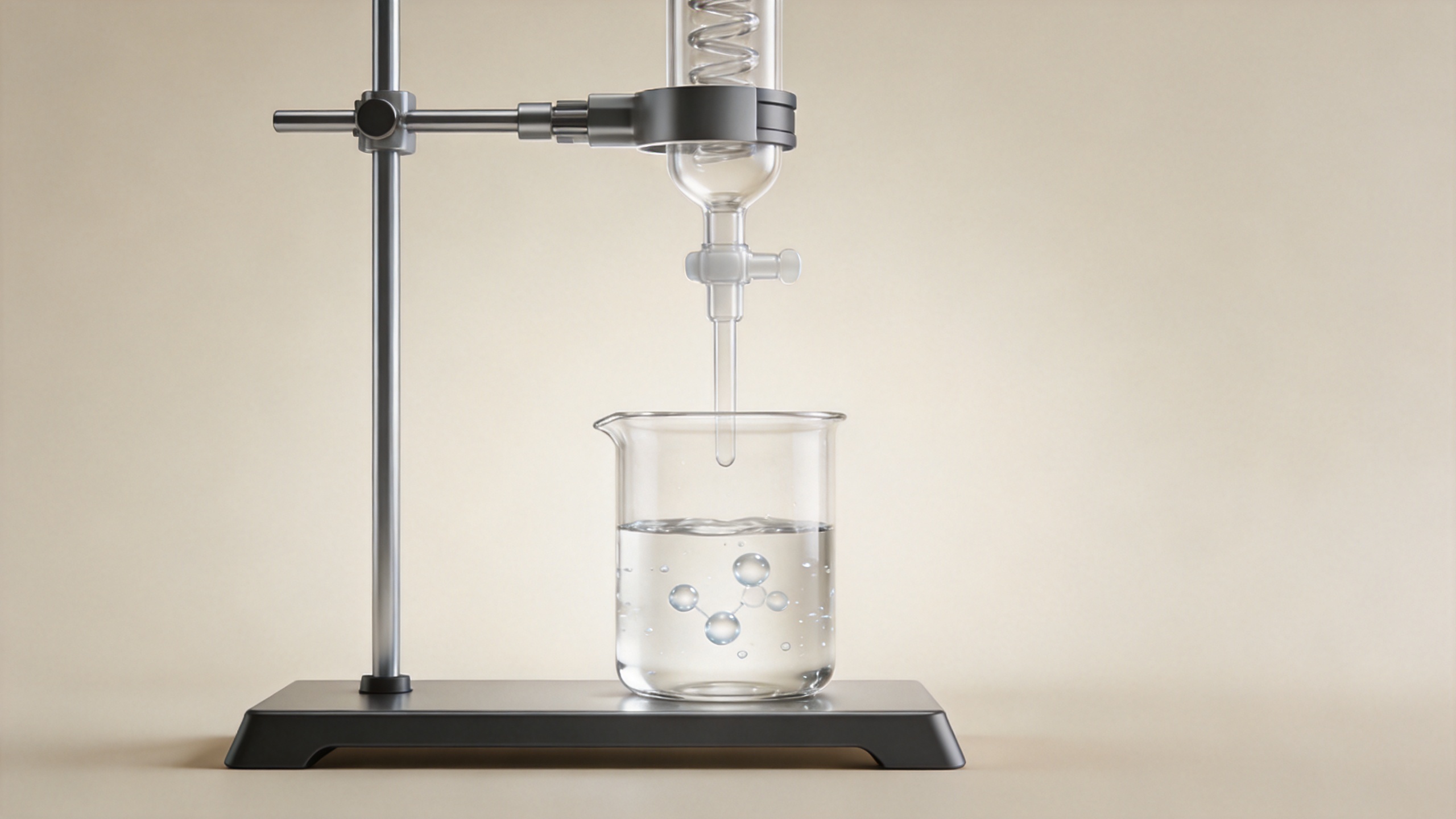
A useful formulation lesson is that meeting a purity target does not automatically prove application performance. Humectant sorbitol may be appropriate for a product, but the answer should come from a representative trial that measures the properties your customers notice: viscosity, spreadability, softness, appearance, dissolution behavior, or moisture change over time.
For example, a material can perform consistently in a higher-water syrup yet require a different verification plan in a low-moisture confectionery system. The formulation matrix changes the result. This might sound cautious, but it is the more efficient route: define acceptance criteria before a large purchase, then test the candidate material under realistic processing and storage conditions.
Evaluate Supplier Consistency Alongside Function
Choosing humectant sorbitol is also a supply decision. Batch-to-batch consistency matters because variation in moisture, concentration, color, or physical form can force process adjustments. For an established production line, the cost of rework may outweigh a small difference in quoted price.
Ask prospective suppliers for the product specification, certificate of analysis format, packaging options, available physical forms, and documentation relevant to your intended market. If you plan to sell internationally, confirm the applicable ingredient and labeling requirements for each destination. Regulatory status, allowed uses, and labeling rules can differ by market, so they should be reviewed with the appropriate regulatory team rather than assumed from another region.
A Practical Qualification Checklist
- Define the moisture, texture, and process targets for your product.
- Select a liquid or crystalline humectant sorbitol form that matches the manufacturing route.
- Request a current specification and sample that represent the intended commercial grade.
- Run pilot trials using your actual water quality, mixing sequence, and process temperatures.
- Check finished-product stability under expected storage and packaging conditions.
- Review quality documentation, supply continuity, and target-market compliance before approval.
When Is Humectant Sorbitol the Right Choice?
Humectant sorbitol is a strong candidate when your product needs a water-soluble polyol that can support moisture management while contributing useful formulation functionality. It is especially relevant for teams that need to balance moisture retention with process compatibility, texture control, and practical sourcing.
The most reliable choice is application-specific. Clarify the performance target, select the physical form deliberately, validate with a representative trial, and qualify the supplier’s consistency and documentation. With that framework, humectant sorbitol becomes more than a generic ingredient option—it becomes a deliberate formulation decision.
 Hot News